Experts in physical planning and hydrological engineering have attributed the recurring floods in Cape Coast and parts of the Central Region to poor land-use planning, encroachment on waterways, inadequate drainage infrastructure, and weak enforcement of development regulations.
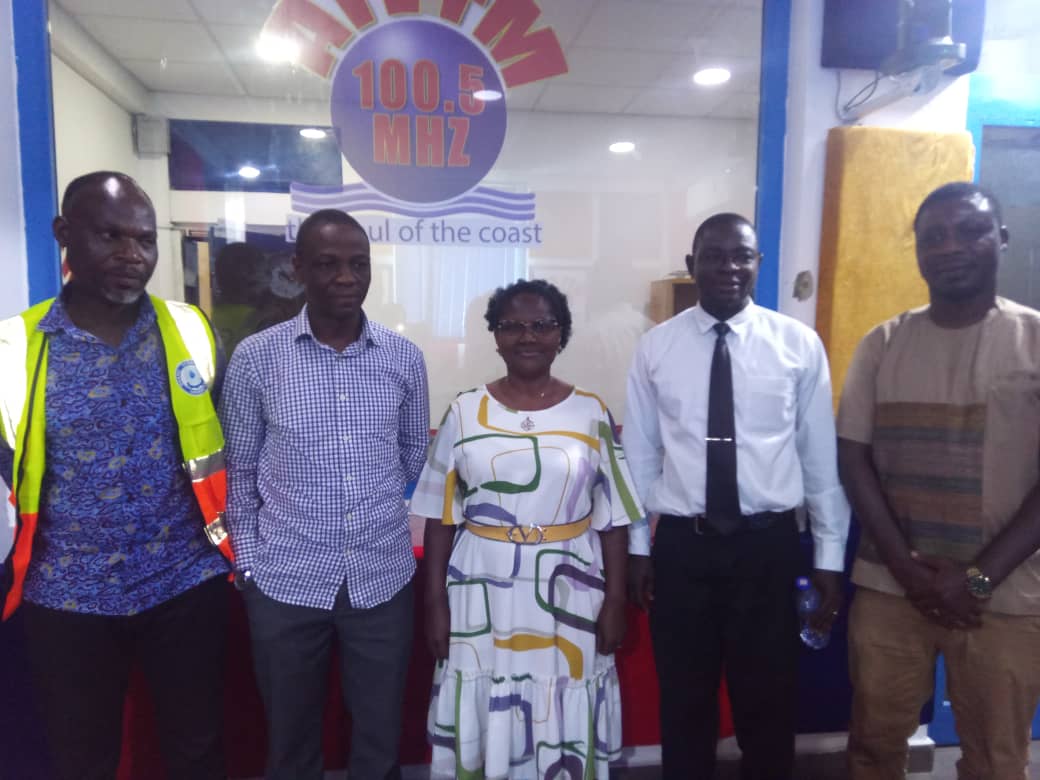
The issues were discussed on Mantew Mu Nsem on ATL FM, hosted by Alhaji, through a public education collaboration with Mrs. Joyce Frimpong and Gideon Jude Eghan from the National Commission for Civic Education (NCCE). Guests included Mr. Irving Kweku Selby, Standards and Compliance Officer of the Physical Planning Department; Mr. Andrew Ohene Agyekum, Principal Officer for Research, Monitoring and Evaluation; and Mr. Okine, Regional Hydrological Engineer.
The discussion followed the recent floods that claimed 18 lives across the Central Region, including six in the Cape Coast Metropolis, displaced more than 5,000 residents, and destroyed homes and other property.
Speaking on the city's drainage infrastructure, Mr. Okine explained that many storm drains were designed for a much smaller population and lower rainfall intensity than is currently being experienced. He noted that rapid urbanisation, blocked drains and the continuous encroachment on waterways have overwhelmed the existing drainage system, leading to frequent flash floods.
He stressed that while desilting remains important, permanent engineering interventions such as expanding drainage channels, constructing retention basins and restoring natural waterways are necessary to provide long-term protection for flood-prone communities, including areas around the University of Cape Coast, Abura and Kwaprow.
On the research findings, Mr. Andrew Ohene Agyekum said monitoring data show that flooding is driven not only by heavy rainfall but also by uncontrolled urban development and poor compliance with land-use plans. He explained that flood-prone and no-development zones have been identified, yet illegal residential buildings and student hostels continue to emerge within these high-risk areas.
He emphasised that research findings are intended to guide planning decisions and preventive enforcement before the rainy season, urging stronger collaboration among planning authorities, local assemblies and enforcement agencies.
Addressing compliance issues, Mr. Irving Kweku Selby acknowledged that enforcing planning regulations remains a major challenge. He explained that all developers are legally required to obtain development permits before construction begins and warned that building without approval or within drainage reservations could result in demolition and other legal sanctions.
Mr. Selby further stated that the ongoing exercise to remove structures obstructing drainage channels must be implemented fairly, consistently, and based on technical assessments to ensure public confidence.
The panellists agreed that preventing future floods requires closer collaboration between physical planners, hydrological engineers, metropolitan authorities and other relevant institutions. They also urged residents to avoid building on waterways, refrain from dumping refuse into drains, and comply with planning regulations.
The NCCE reiterated that flood prevention is a shared civic responsibility and encouraged citizens to support lawful enforcement measures and adopt environmentally responsible practices to protect lives and property across the Central Region.
_
Follow us on our social media pages for more stories and posts from the NCCE.

https://www.instagram.com/nccegh/

https://www.facebook.com/nccegh/
Leave a comment