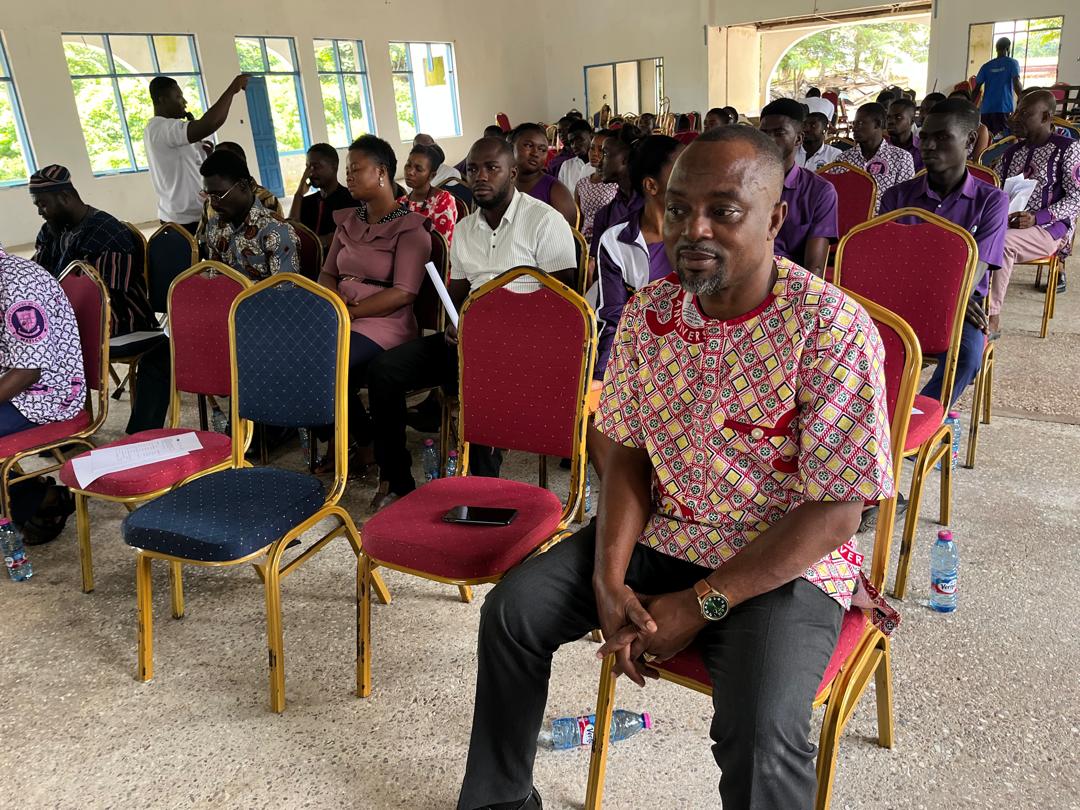
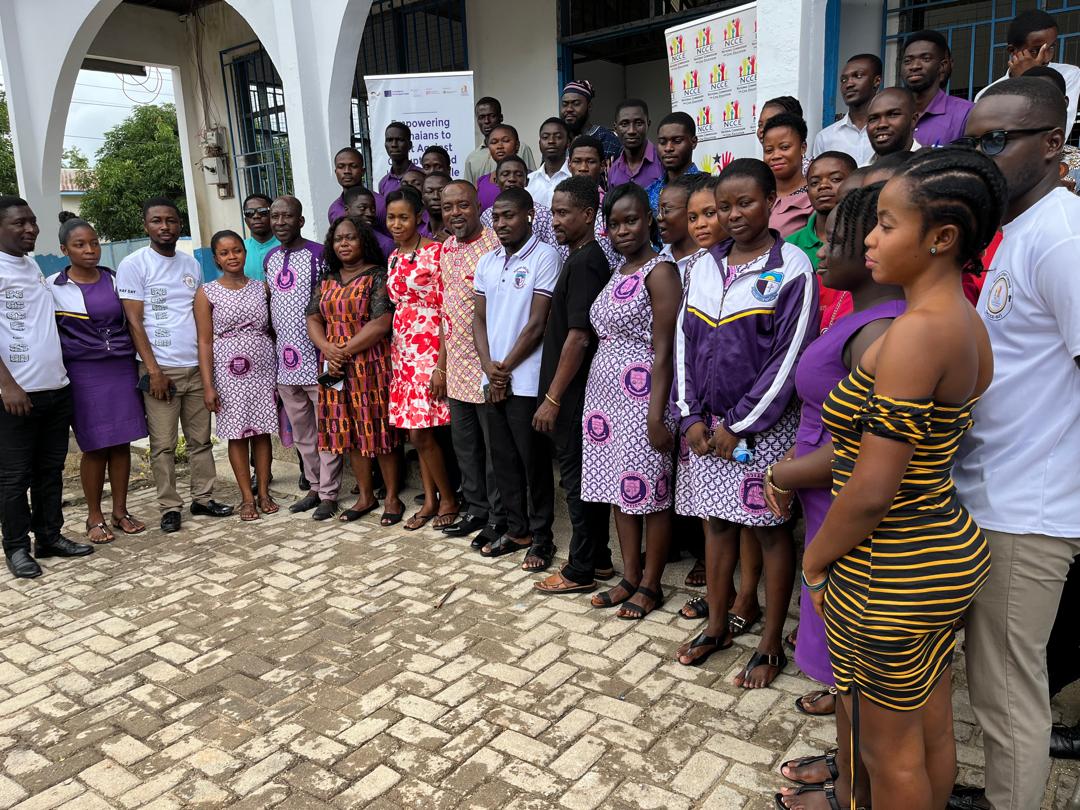
Student leaders of the Sefwi Wiawso College of Education have been sensitised on good governance, ethical leadership, and civic responsibility at a one-day programme organised by the Western North Regional Office of the National Commission for Civic Education (NCCE).
Held at the Sefwi Wiawso College of Education in the Western North Region, the programme sought to build the capacity of young leaders to uphold transparency, accountability, integrity, and respect for the rule of law within educational institutions and their wider communities.
With support from GIZ GmbH, the Ministry of Finance, and the European Union, the engagement brought together student leaders, Civic Education Club patrons, and officials of the NCCE. It formed part of broader efforts to empower young people to become agents of positive change and responsible participants in Ghana’s democratic development.
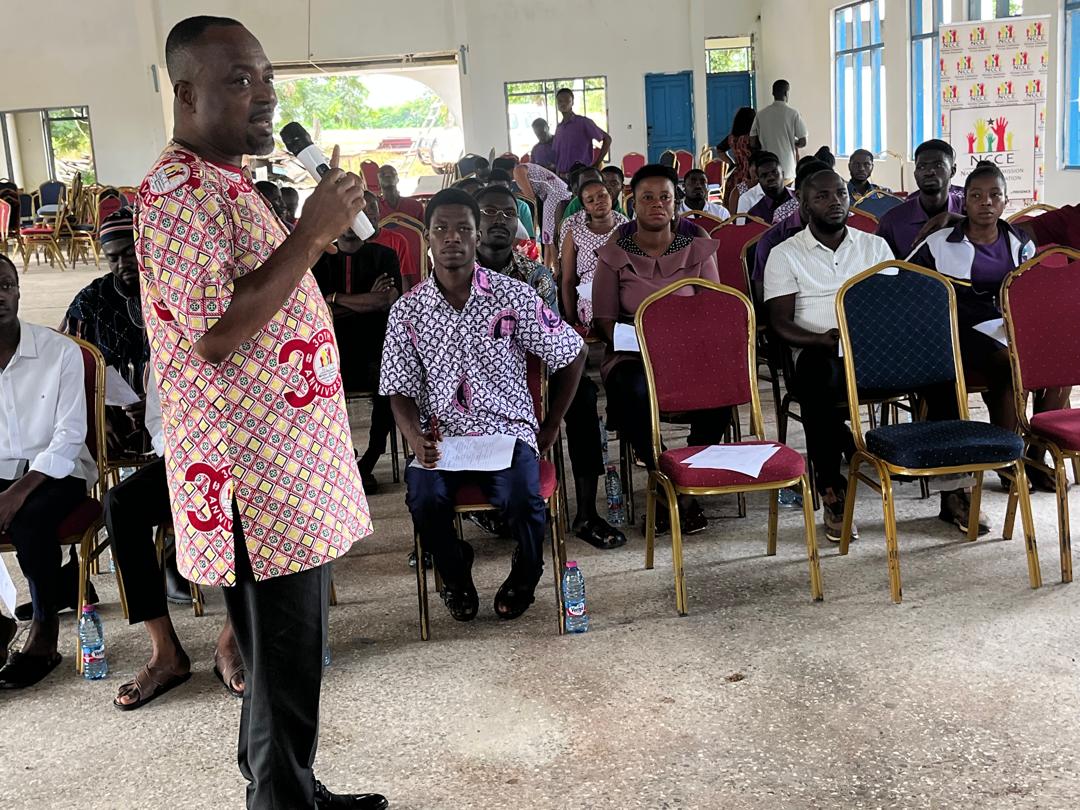
In his address, the Western North Regional Director of the NCCE, Mr. Awudu Dramani Sam, urged the students to recognise their influence as future leaders and use it to promote responsible conduct among their peers. He noted that good governance requires more than criticism, stressing that young people must be willing to participate actively, act fairly, and uphold the public interest.
Mr. Sam took participants through the topic, “Youth as a Catalyst for Good Governance,” highlighting key principles such as accountability, transparency, participation, responsiveness, and adherence to the rule of law. He encouraged the student leaders to demonstrate discipline, humility, and service in their leadership roles.
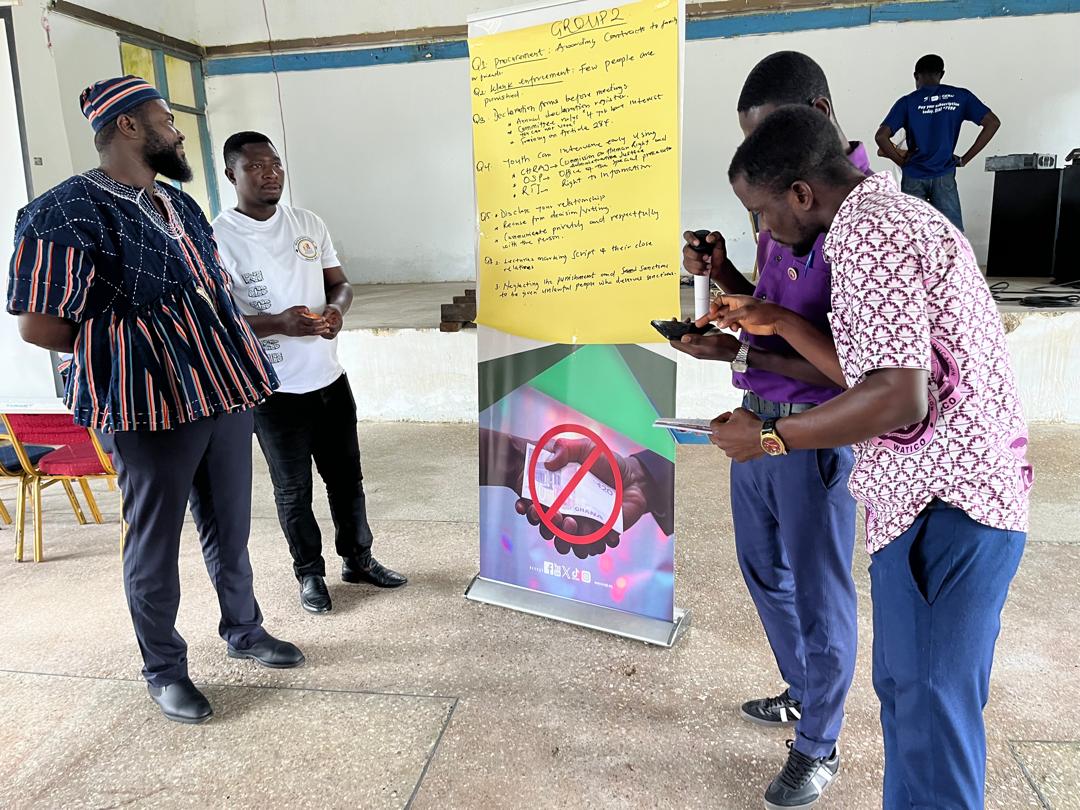
Another major area of discussion was conflict of interest in public and institutional decision-making. Participants were taken through Article 284 of the 1992 Constitution, which cautions public officers against placing themselves in situations where personal interests conflict with official responsibilities.
Relevant legal frameworks, including the 1992 Constitution, the Public Procurement Act, and the Right to Information Act, 2019, Act 989, were also discussed. Practical tools for managing conflict of interest, such as disclosure, recusal, and declaration of assets, were explained to help students appreciate how ethical standards apply in real-life leadership situations.
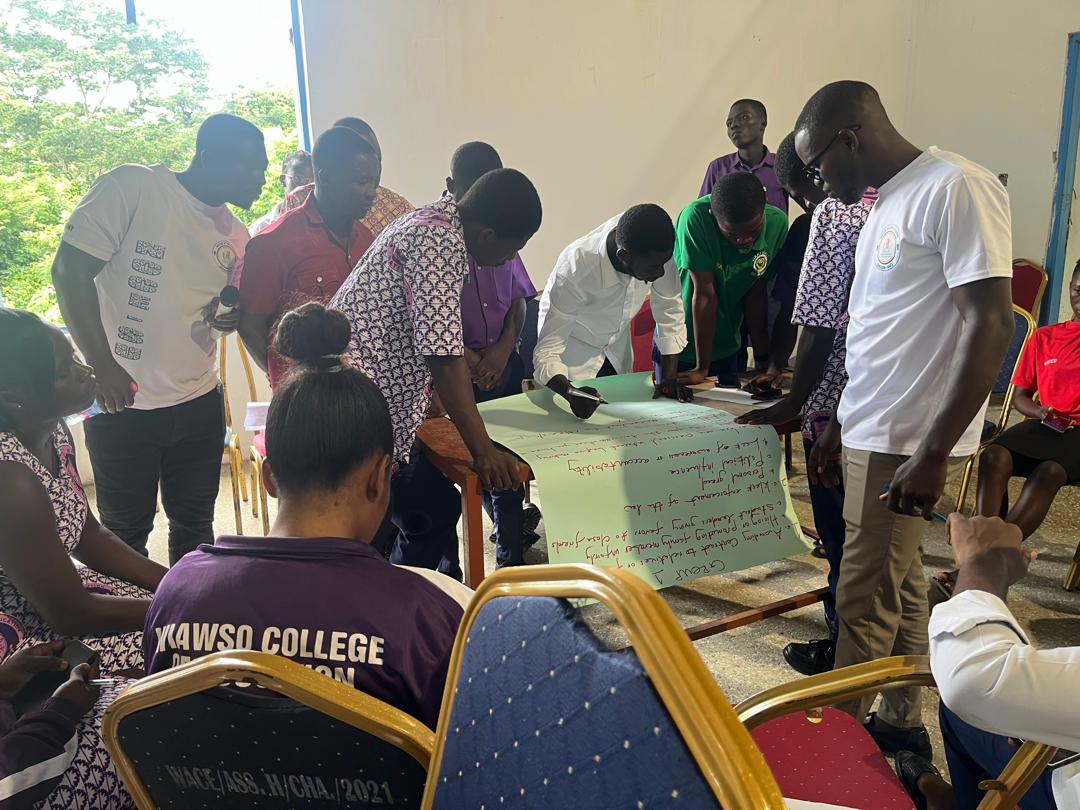
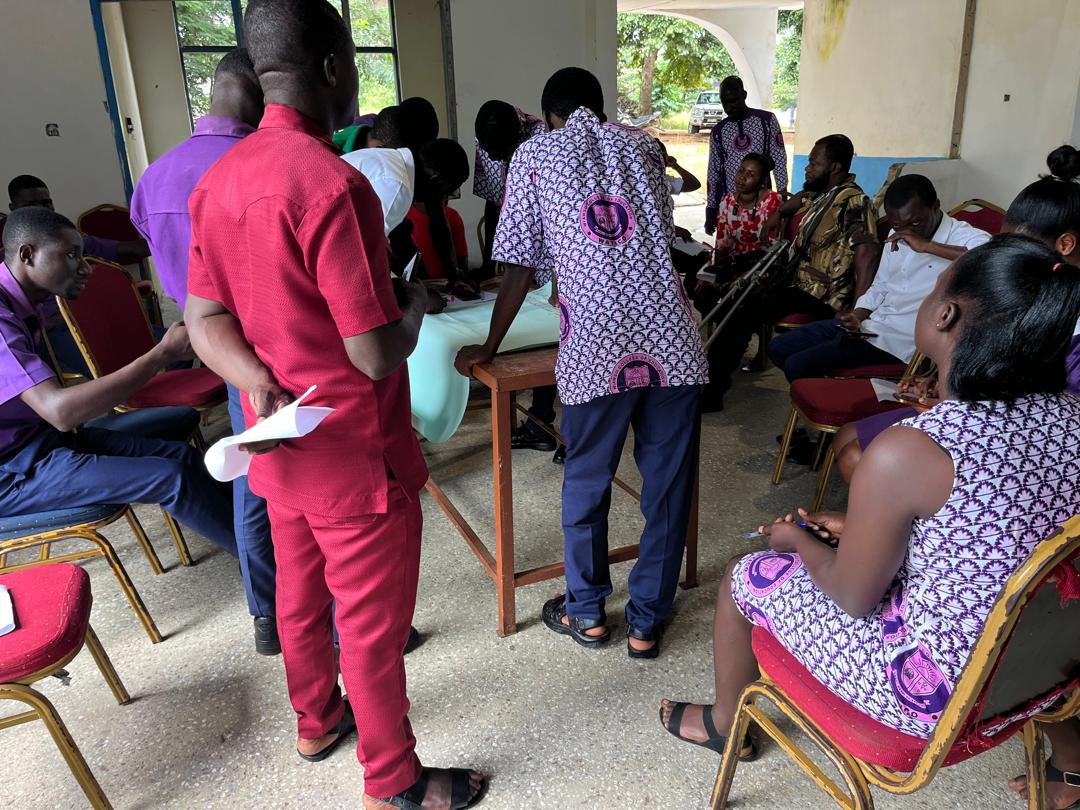
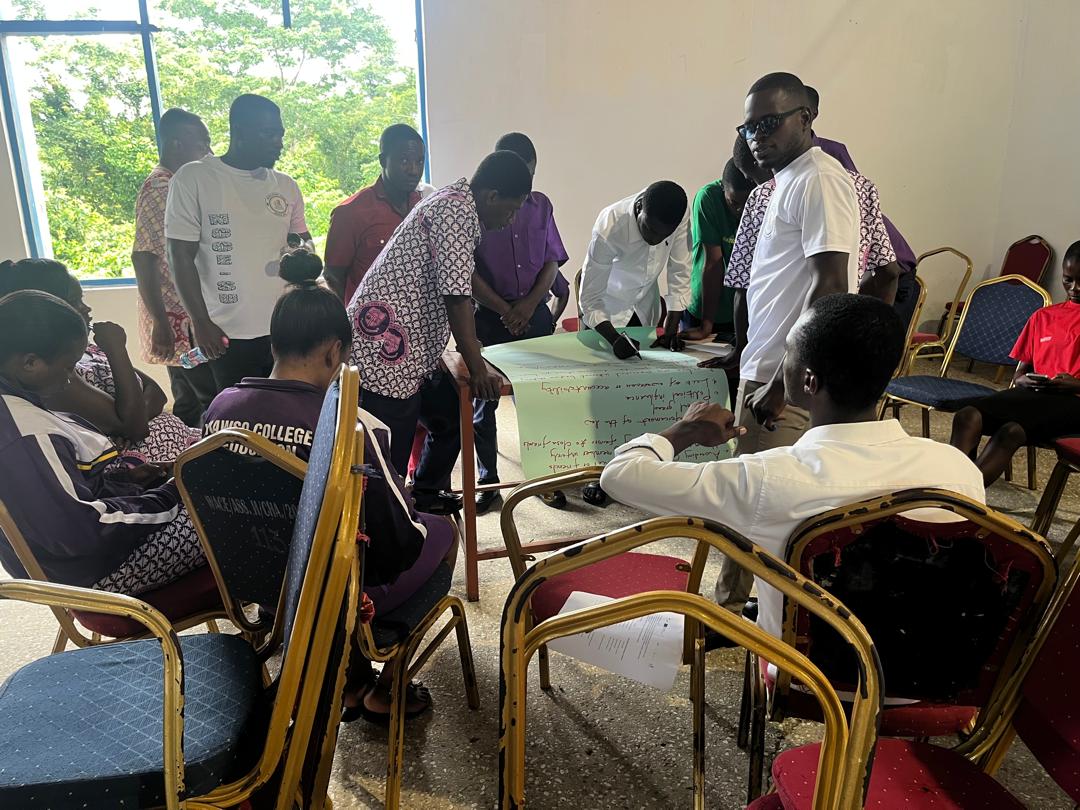
To deepen participation, students were divided into two groups for a dialogue session. One group discussed the role of youth as catalysts for good governance, while the other examined conflict of interest in public and institutional decision-making.
Group presentations generated lively interaction, with students identifying practical conflict of interest situations that could arise on campus. They proposed solutions such as integrity clubs, peer accountability, whistleblowing mechanisms, and stronger reporting systems to promote responsible leadership.
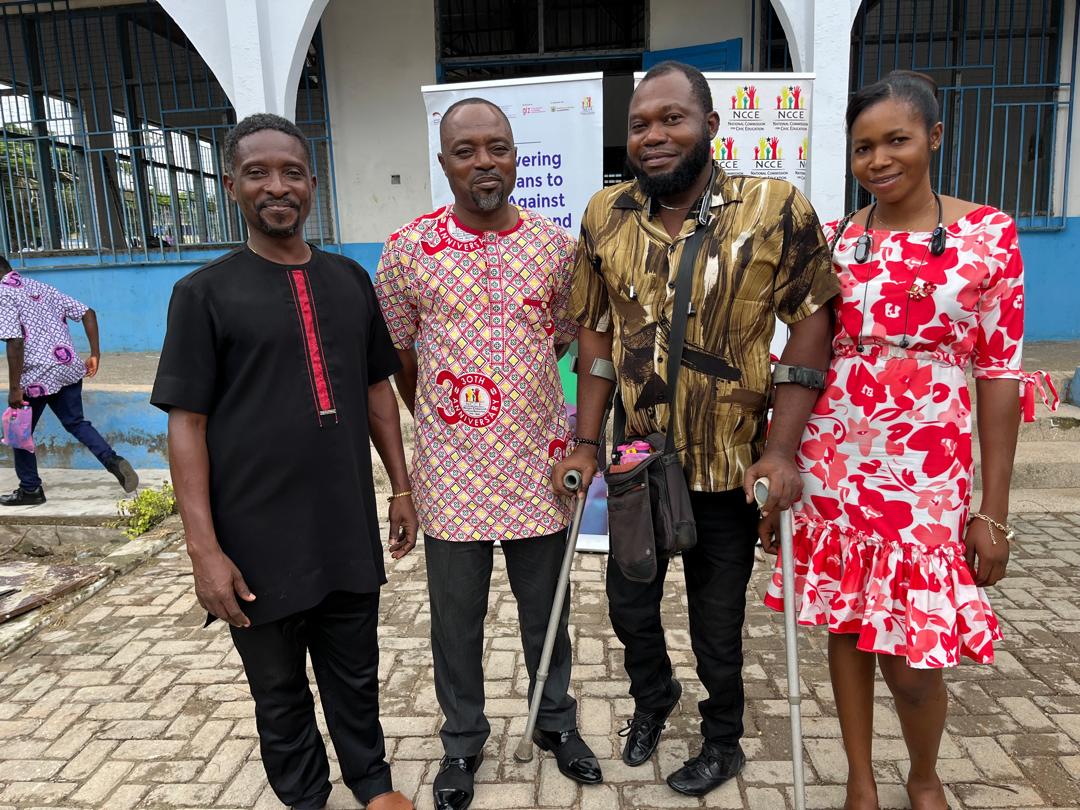
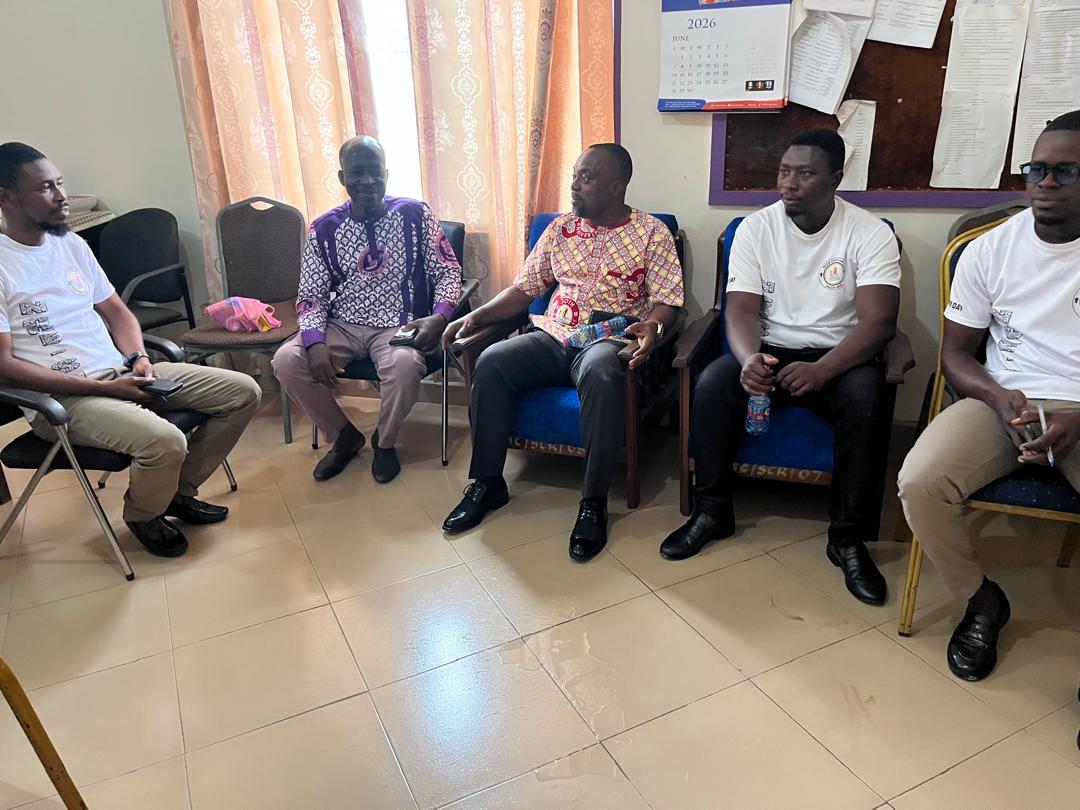
Mr. Patrick Kwarteng, Vice Principal of the College and Patron of the Civic Education Club, together with the Deputy Patron, Madam Joana Tuckson, commended the NCCE and its partners for the initiative. They described the programme as timely and relevant in preparing student leaders to uphold integrity and contribute meaningfully to society.
By the close of the programme, participants had gained practical knowledge and leadership skills to promote civic responsibility, ethical decision-making, and accountability. NCCE reaffirmed its commitment to empowering young people through civic education programmes that strengthen constitutional awareness, responsible citizenship, and democratic governance.
_
Follow us on our social media pages for more stories and posts from the NCCE.

https://www.instagram.com/nccegh/

https://www.facebook.com/nccegh/
https://www.youtube.com/channel/UCwajFJmmlmzRf1OMM.
Leave a comment