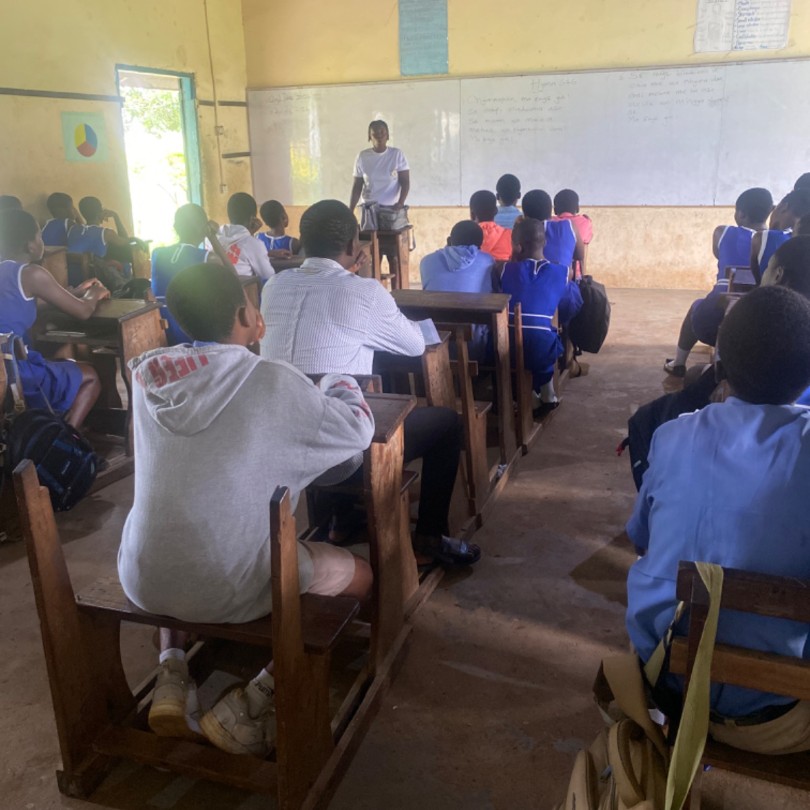
As part of activities marking the 2026 Citizenship Week Celebration, the Abuakwa South Municipal Office of the National Commission for Civic Education has organised a sensitisation programme for students of Kyebi Oman Presbyterian Junior High School on misinformation, cyberbullying, and responsible digital citizenship.
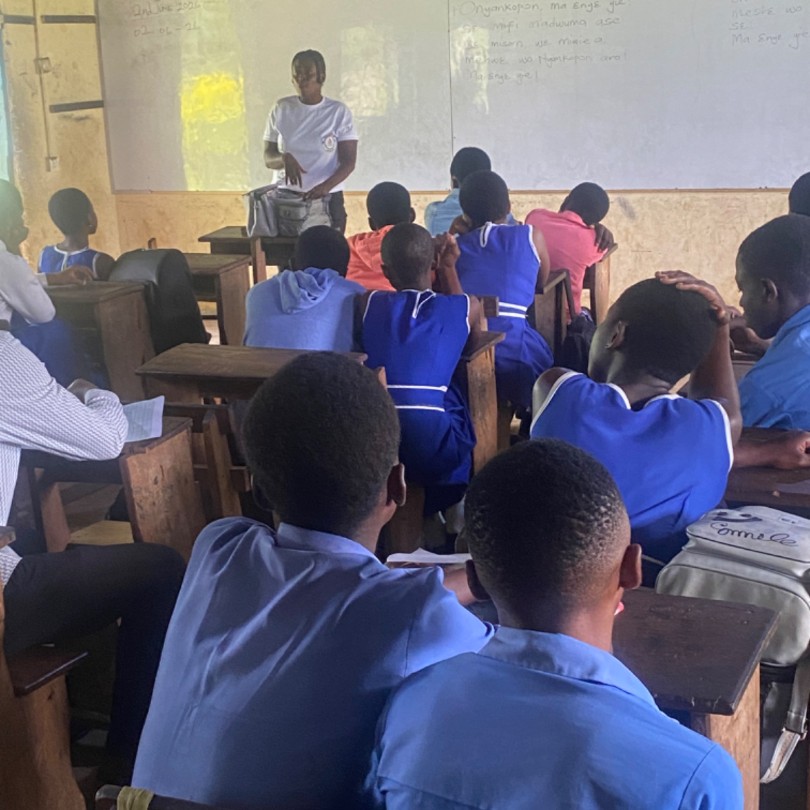
The engagement took place on 3rd June 2026 and was led by Ms. Juliet Oforiwaa Darko of the NCCE. It was held under the theme, “Upholding Our Constitution in a Digital Age: Our Collective Responsibility,” and sought to educate students on the importance of using digital platforms responsibly while respecting the rights, dignity, and privacy of others.
In her presentation, Ms. Darko explained that misinformation refers to false or inaccurate information shared without the intention to deceive, while cyberbullying involves the use of digital technologies to harass, intimidate, embarrass, or humiliate others. She noted that the increasing use of social media and digital communication platforms has made it easier for false information and harmful content to spread quickly.
According to her, misinformation can create confusion, fear, mistrust, and unnecessary tension within communities. She therefore encouraged the students to verify information before sharing it online and to rely on credible sources for news and public information.
Ms. Darko further reminded the students that every citizen has a responsibility to contribute to a peaceful, informed, and responsible society. She urged them to promote truth, respect, and responsible communication in their online interactions.
Touching on cyberbullying, she highlighted common forms such as online insults, threats, spreading rumours, mocking others, and sharing embarrassing photos or videos without consent. She stressed that such actions can have serious emotional and psychological effects on victims, including anxiety, low self-esteem, depression, fear, and poor academic performance.
The students were advised to practise good digital behaviour by respecting the privacy and dignity of others, avoiding abusive language, and refusing to participate in harmful online conduct. They were also encouraged to report incidents of cyberbullying to teachers, parents, guardians, or other responsible authorities.
Ms. Darko encouraged the students to use social media and other digital platforms positively to promote learning, unity, peace, and national development. She reminded them that responsible digital citizenship begins with thinking carefully before posting, commenting, or sharing content online.
The interactive session allowed students to ask questions and share experiences relating to online safety and responsible internet use. Their participation demonstrated a keen interest in understanding their rights and responsibilities in the digital space.
The programme formed part of the NCCE’s efforts to deepen constitutional awareness among young people and empower them to become responsible digital citizens. At the end of the engagement, the students expressed appreciation to the Commission and pledged to apply the knowledge gained in their daily online activities.
_
Follow us on our social media pages for more stories and posts from the NCCE.

https://www.instagram.com/nccegh/

https://www.facebook.com/nccegh/
Leave a comment