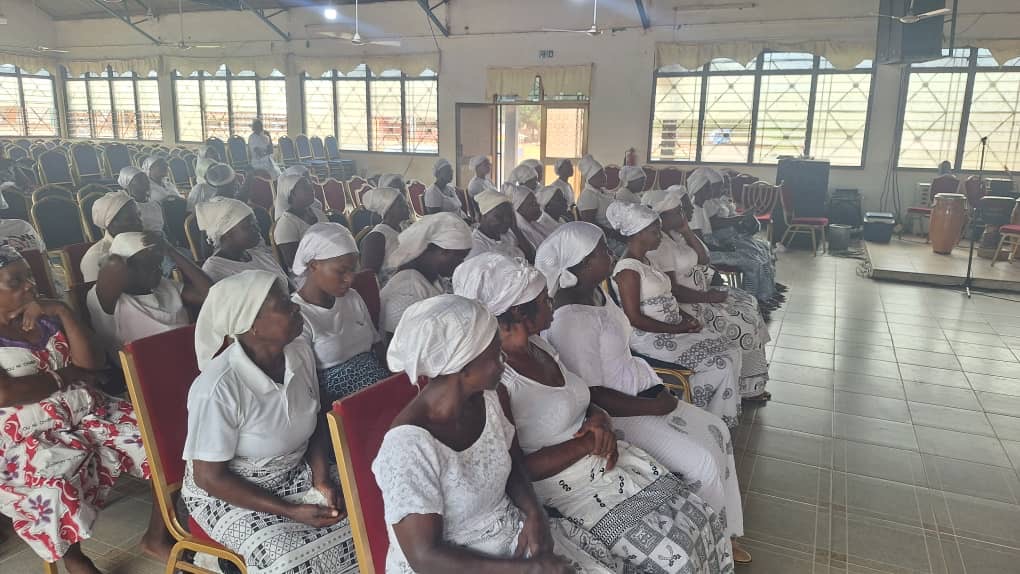
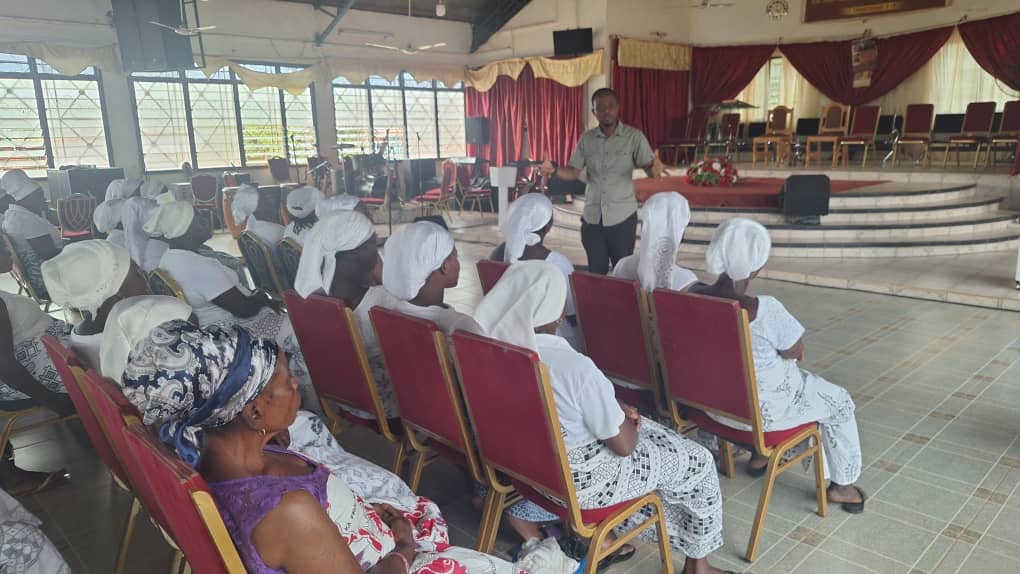
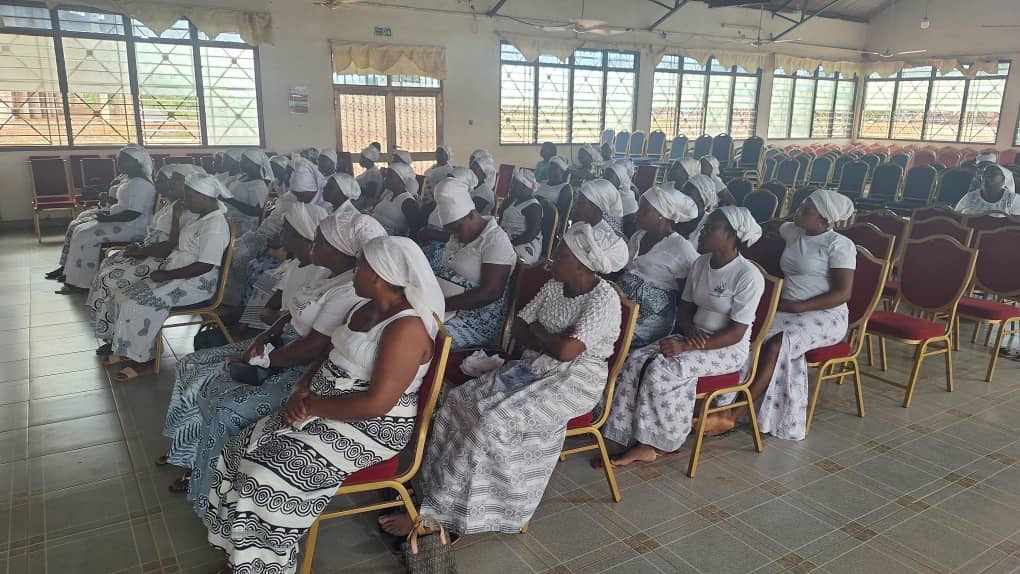
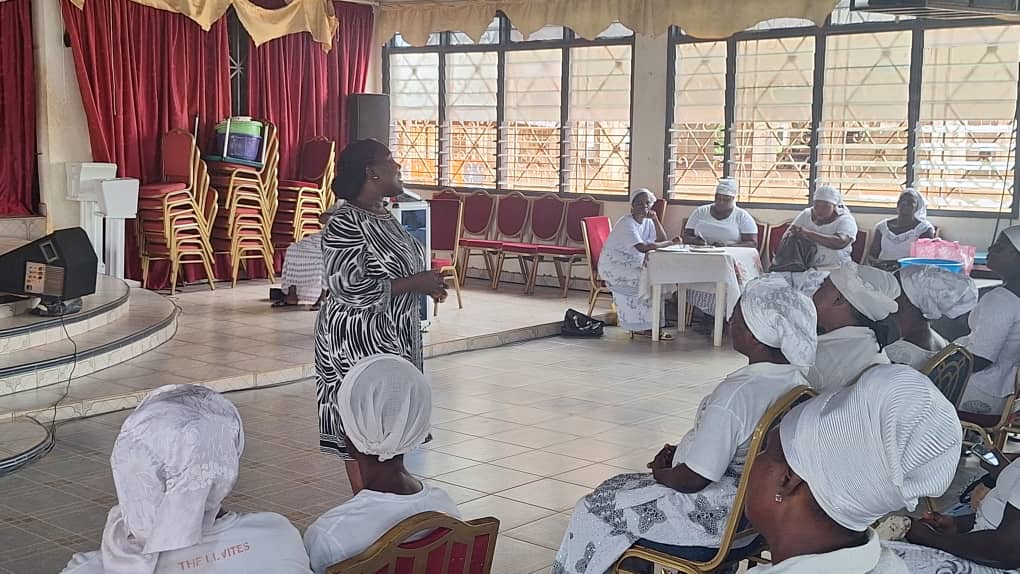
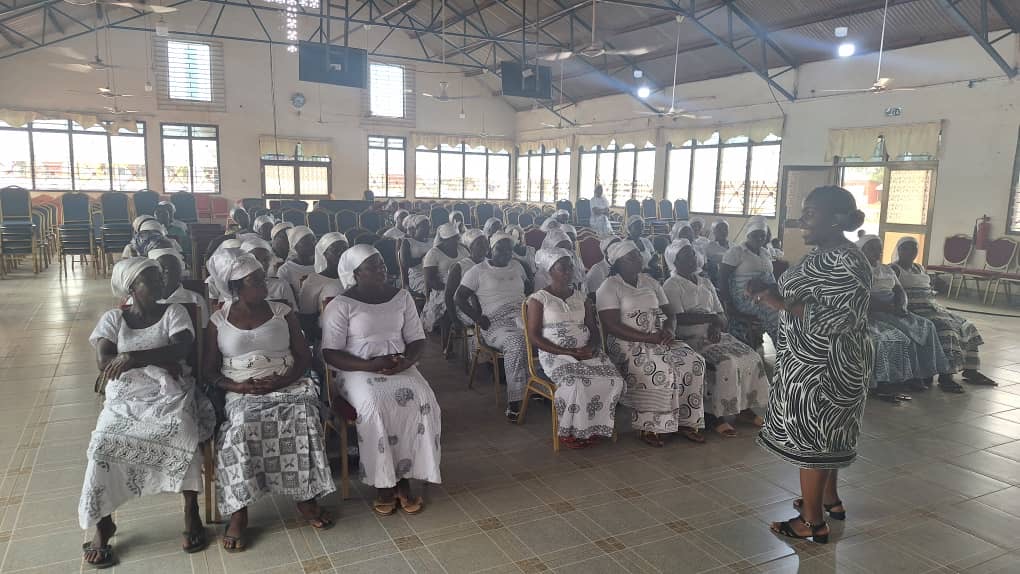
In an effort to deepen public understanding of taxation and promote responsible citizenship, the Kpone Katamanso Municipal Directorate of the National Commission for Civic Education (NCCE) engaged members of the Divine Healers Women’s Fellowship in Kpone on the importance of tax compliance and its contribution to national development.
Organized under the theme, “Our Taxes, Our Future,” the educational engagement formed part of the Commission’s efforts to promote civic awareness and encourage citizens to fulfil their constitutional obligations. The programme provided participants with the opportunity to learn about taxation, its significance to national development, and the role citizens play in supporting government initiatives through the payment of taxes.
Addressing the fellowship members, NCCE officials explained that tax payment is not only a legal requirement but also a civic responsibility expected of citizens. Participants were educated on the various forms of taxes and how tax revenues serve as a critical source of funding for government programmes and development projects across the country.
Facilitators emphasized that the civic duty of paying taxes is enshrined in Chapter Six, Article 41(j) of the 1992 Constitution of Ghana, which requires citizens to declare their income honestly to the appropriate and lawful agencies and to satisfy all tax obligations. They noted that fulfilling this constitutional responsibility contributes directly to national growth and development.
On the importance of taxation, officials explained that revenue generated through taxes supports the provision of essential public services and infrastructure. These include education, healthcare, road construction and maintenance, electricity, water supply, sanitation services, and other development initiatives that improve the living standards of citizens.
Participants were further made to understand that tax compliance enables government to invest in projects that promote economic growth, social development, and improved public welfare. They were therefore encouraged to view tax payment not as a burden, but as an investment in the future of their communities and the nation as a whole.
The engagement also provided an opportunity to address concerns and misconceptions surrounding taxation. Through an interactive discussion, members of the fellowship asked questions, shared their experiences, and expressed their views on tax-related matters. The dialogue helped participants gain a better appreciation of the link between taxation and national development.
In concluding the programme, NCCE officials encouraged the church members to cultivate a positive attitude towards tax payment and to continue fulfilling their civic obligations as responsible citizens. They stressed that sustainable development requires the collective support and participation of all citizens through compliance with constitutional duties, including the payment of taxes.
Members of the Divine Healers Women’s Fellowship expressed appreciation to the Commission for the insightful engagement and acknowledged the importance of taxation in supporting government programmes and improving the quality of life of Ghanaians.
The programme ended with a renewed commitment by participants to support national development through responsible citizenship and tax compliance.
_
Follow us on our social media pages for more stories and posts from the NCCE.

https://www.instagram.com/nccegh/

https://www.facebook.com/nccegh/
Leave a comment