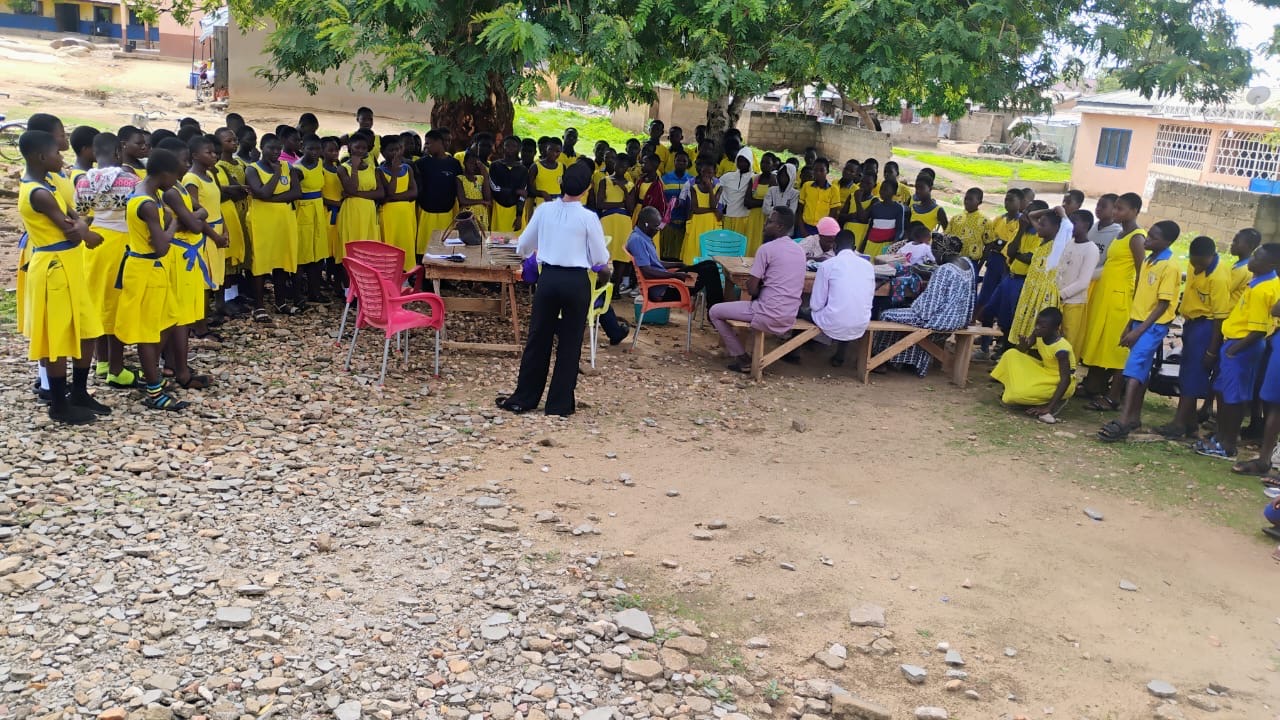
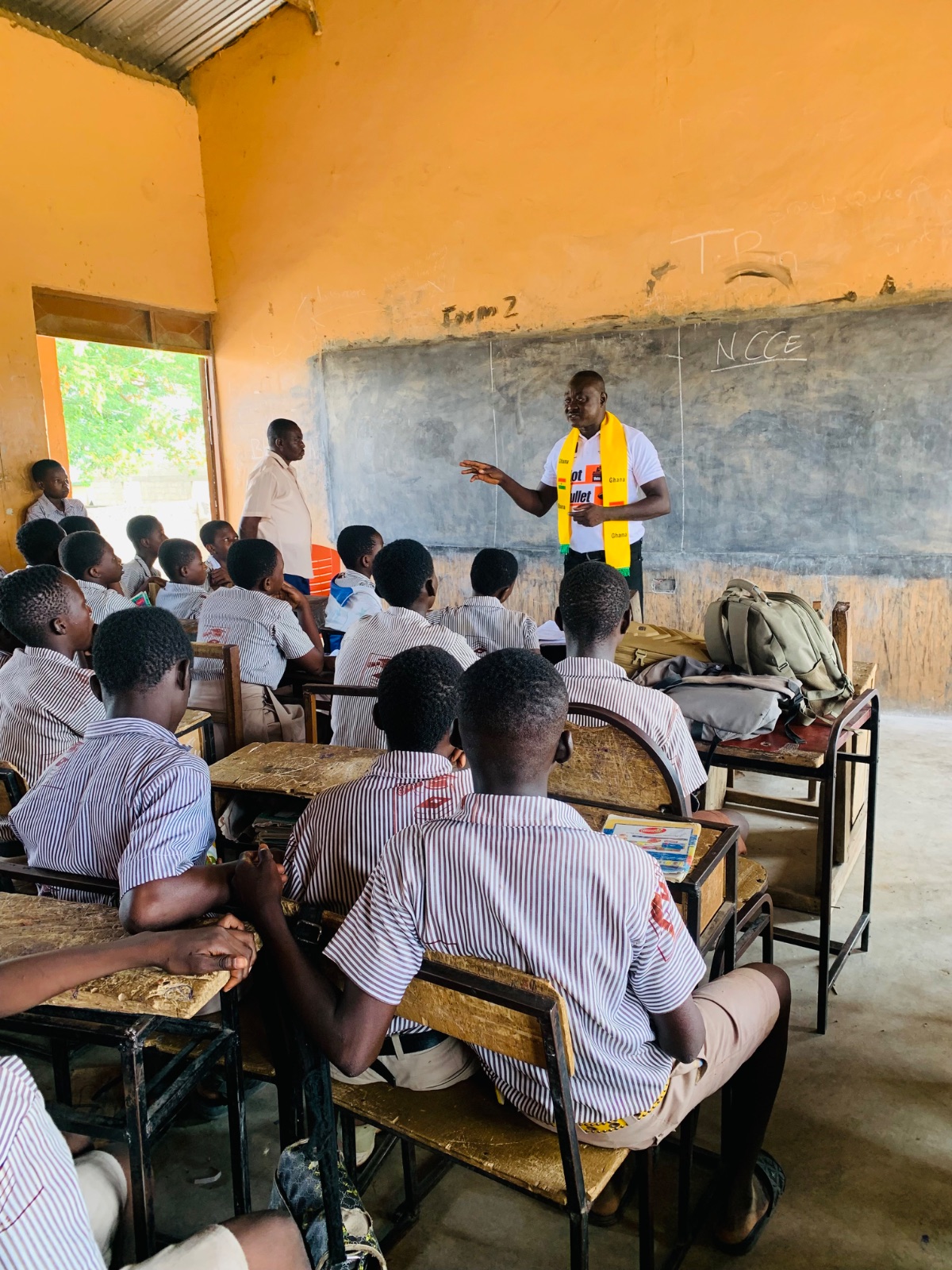
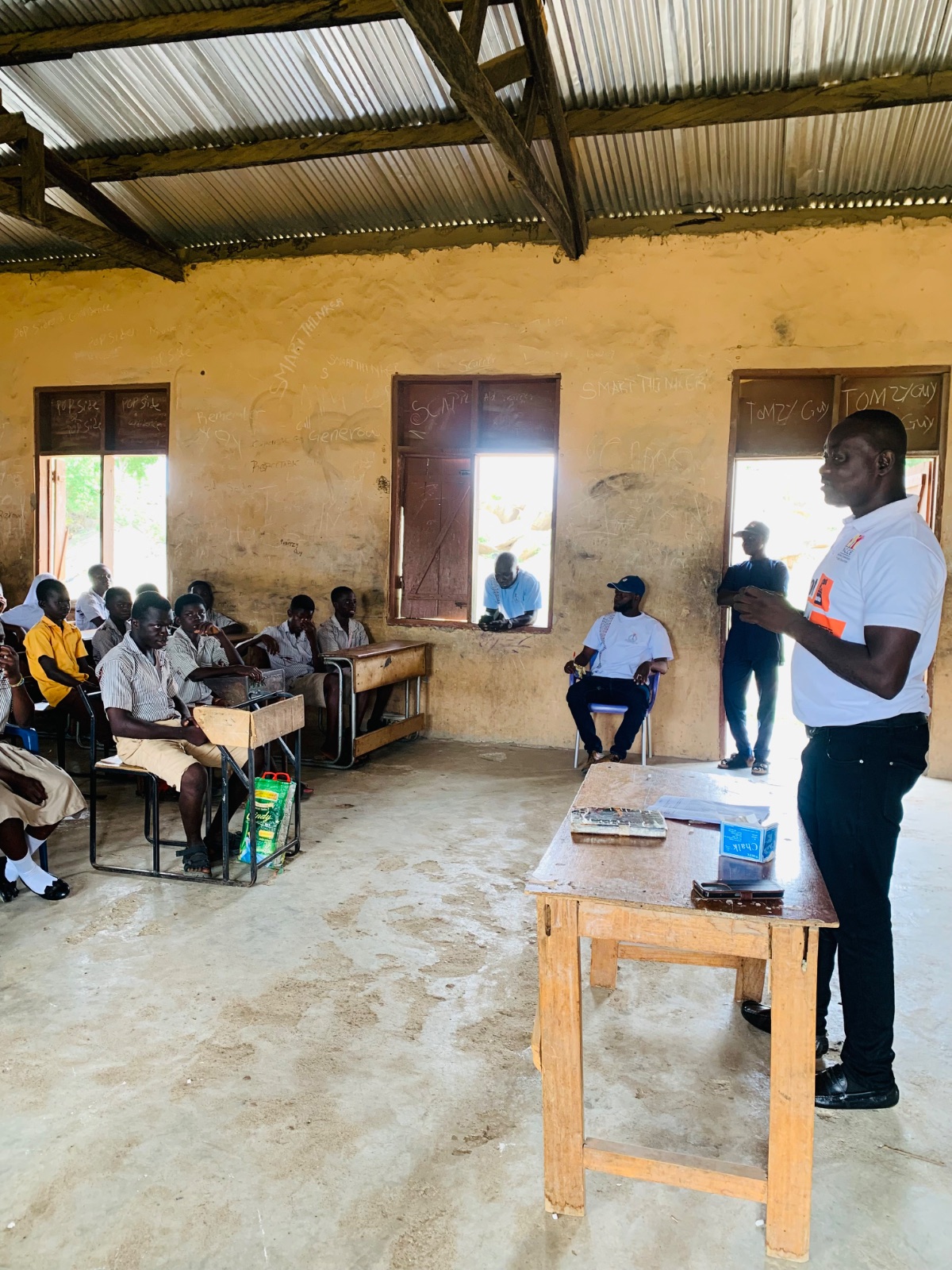
In an age where children are increasingly immersed in digital spaces, the Bawku Municipal office of the National Commission for Civic Education (NCCE) has intensified efforts to promote responsible online behavior among basic school pupils. As part of the 2026 Citizenship Week Celebration, the Commission carried out a civic education outreach across selected schools in the municipality, aiming to shape how young learners engage with the digital world.
The outreach was held under the national theme “Upholding Our Constitution in the Digital Age: Our Collective Responsibility” and the sub-theme “Growing Up Digital: The Ghanaian Child Upholding the Constitution Online.” It sought to help pupils understand that citizenship extends beyond physical spaces into the digital environment, where their rights, responsibilities, and actions also carry significant consequences.
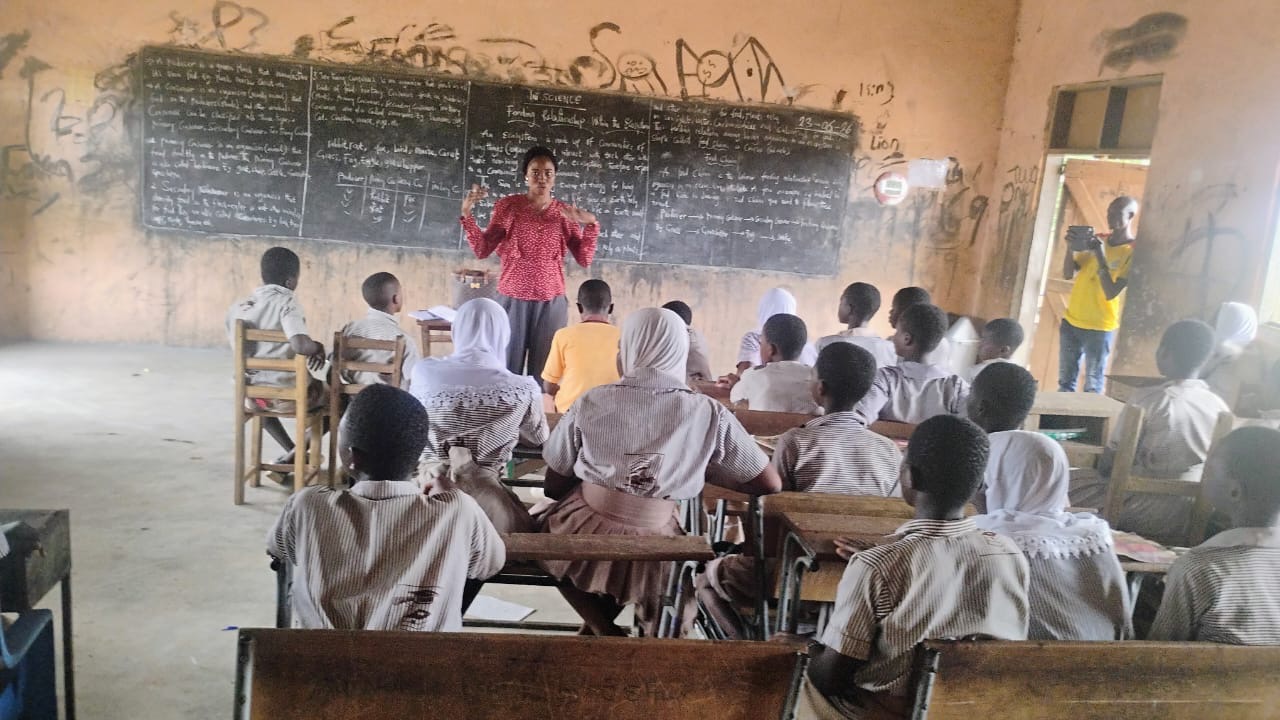
Through interactive discussions, the Municipal Director, Daniel Baya Laar, together with Civic Education Officer, Munira Yussif, guided pupils to reflect on their online behaviour and encouraged them to think critically about the content they consume and share. They stressed that actions taken on digital platforms are not isolated from real life but can influence personal safety, reputation, and even national development.
The engagement further exposed pupils to key issues such as the relevance of the Constitution in everyday life, the rights and responsibilities of children both offline and online, and the responsible use of social media and other digital platforms. Attention was also drawn to the dangers of cyberbullying, misinformation, online fraud, and the importance of protecting personal information while navigating the internet.
Pupils actively took part in the sessions by asking questions, sharing personal experiences, and discussing how they use digital platforms in their daily lives. This participation helped create a more practical understanding of online safety and responsible digital engagement. Throughout the discussions, facilitators emphasized the need for pupils to verify information before sharing it and to maintain respect in all forms of online interaction.
Speaking during the outreach, Daniel Baya Laar underscored the importance of young people in safeguarding Ghana’s democratic values. He noted that even though children are young, they remain active citizens whose online actions matter to the nation. He added, “As children, we may be young, but we are also citizens. What we do online matters for Ghana.”
Munira Yussif also encouraged the pupils to take up the responsibility of becoming ambassadors of positive digital citizenship within their schools and communities, influencing their peers to use the internet responsibly and safely.
The programme formed part of NCCE’s broader commitment to equipping young people with the knowledge and skills required to navigate the digital world responsibly while upholding the values enshrined in the 1992 Constitution of the Republic of Ghana. It also reinforced the idea that citizenship is not limited to physical conduct but includes behaviour in digital spaces as well.
However, during one of the engagements, a teacher raised concerns about the effectiveness of Ghana’s laws in regulating online behaviour. He observed that some individuals use digital platforms to incite conflict and called for stronger enforcement of laws to reduce cyber-related offences and promote safer online spaces.
It was also observed that in some instances, schools were completely deserted due to security concerns, while others had merged with nearby schools to ensure the safety of pupils and staff. This context highlighted the difficult environment in which the outreach was conducted, yet it also underscored the importance of civic education in such communities.
Overall, the exercise reinforced the need for continuous public education on digital responsibility, especially among young people, as Ghana moves deeper into an increasingly connected digital age.
_
Follow us on our social media pages for more stories and posts from the NCCE.

https://www.instagram.com/nccegh/

https://www.facebook.com/nccegh/
Leave a comment