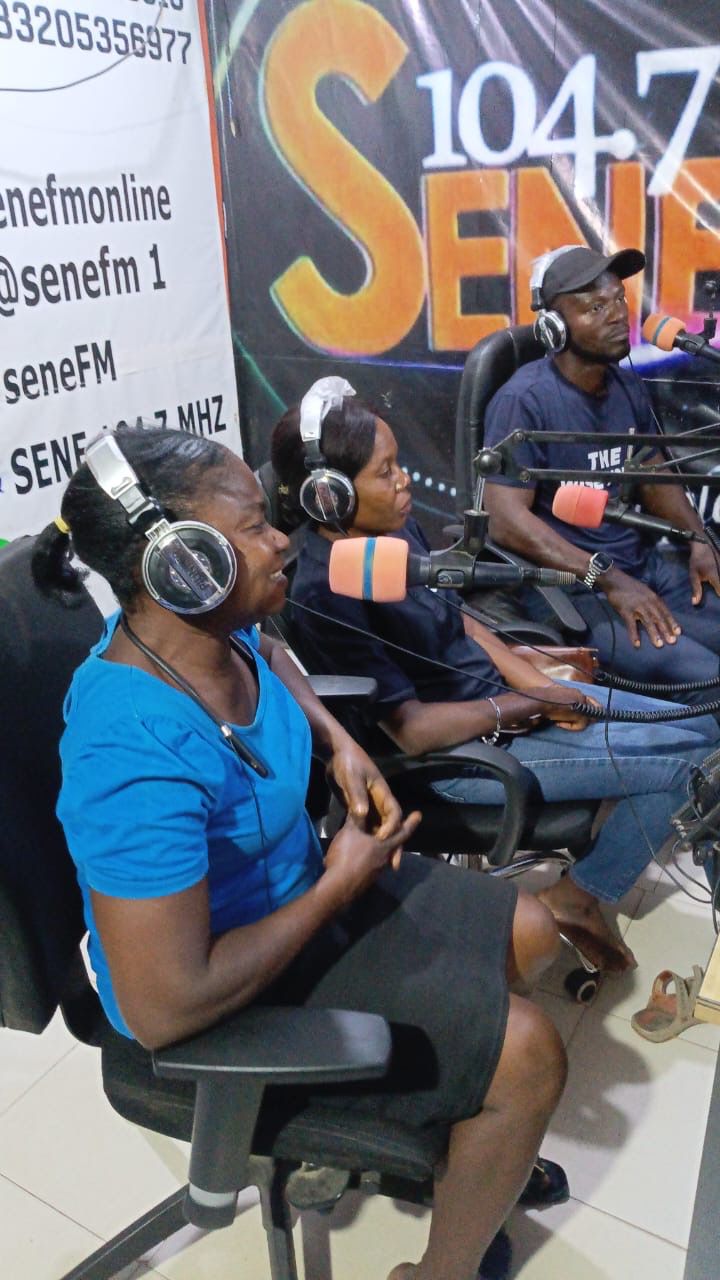
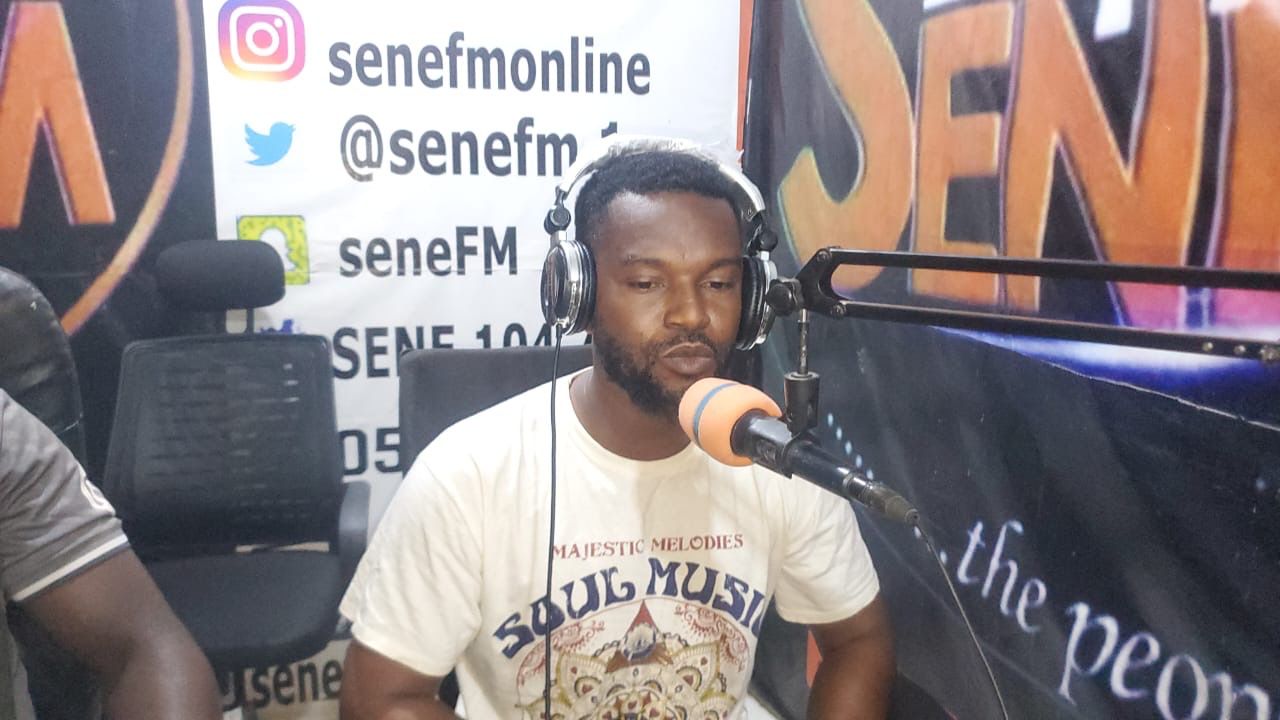
As part of efforts to promote responsible behaviour among young people and protect the nation’s future, the NCCE Sene West District Office organized a radio educational programme on two major issues affecting students and society: drug abuse and indiscipline in the modern Senior High School system.
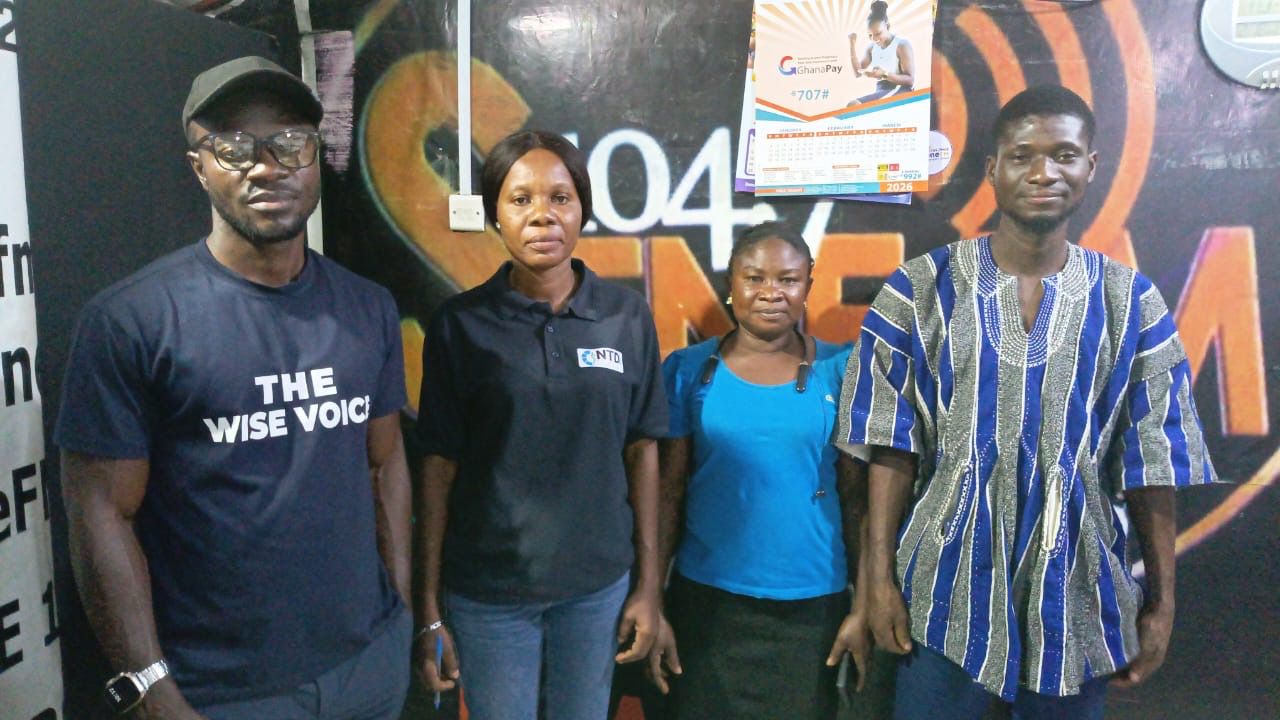
The programme featured Mr. Saviour Kwame Dogbe of NCCE Sene West District, Madam Linda Kwakye, and Mr. Daniel Botwey, Mental Health Nurses from the Sene West District Health Directorate. Together, they shared practical knowledge on the topics, The Menace of Drug Abuse: Securing Ghana’s Workforce and Future and Beyond the Cane: Dealing with High Indiscipline in the Modern SHS.
Speaking on drug abuse, the resource persons explained that the growing misuse of substances among young people poses a serious danger to their health, education, and long-term prospects. They noted that peer pressure, curiosity, emotional distress, and inadequate guidance often push young people into substance use. According to the speakers, the consequences include poor academic performance, mental health challenges, violent behaviour, criminal activity, and reduced productivity.
They stressed the importance of prevention through education, parental involvement, and early intervention. Students were encouraged to avoid harmful substances and focus instead on their studies, personal growth, and positive friendships. Parents, teachers, and community leaders were also urged to support vulnerable young people before destructive patterns take hold.
On the issue of indiscipline in modern SHS education, the speakers observed that student misconduct must be addressed with methods that go beyond fear and punishment. Referring to the topic Beyond the Cane, they explained that indiscipline is often linked to emotional difficulties, unstable home conditions, poor guidance, and weak communication between students and authority figures.
They therefore called for an approach that combines discipline with counselling, mentorship, emotional support, and moral instruction. Schools, they said, should strengthen guidance systems, improve student-teacher relationships, and create conditions that encourage good conduct and personal reform.
Throughout the discussion, the panel made it clear that drug abuse and indiscipline are interconnected problems that require coordinated attention. They emphasized that schools cannot deal with them alone. Families, health professionals, community leaders, the media, and civic institutions all have an important role to play in raising disciplined and confident young people.
The programme served as an important platform for public education, particularly for students, parents, and guardians, and highlighted the need for a shared commitment to youth development through awareness, counselling, and community support. It also reinforced the fact that Ghana’s future depends greatly on the values and choices of its young people, making it essential to address drug abuse and indiscipline in order to build a healthy, disciplined, and productive society.

_
Follow us on our social media pages for more stories and posts from the NCCE.

https://www.instagram.com/nccegh/

https://www.facebook.com/nccegh/
Leave a comment