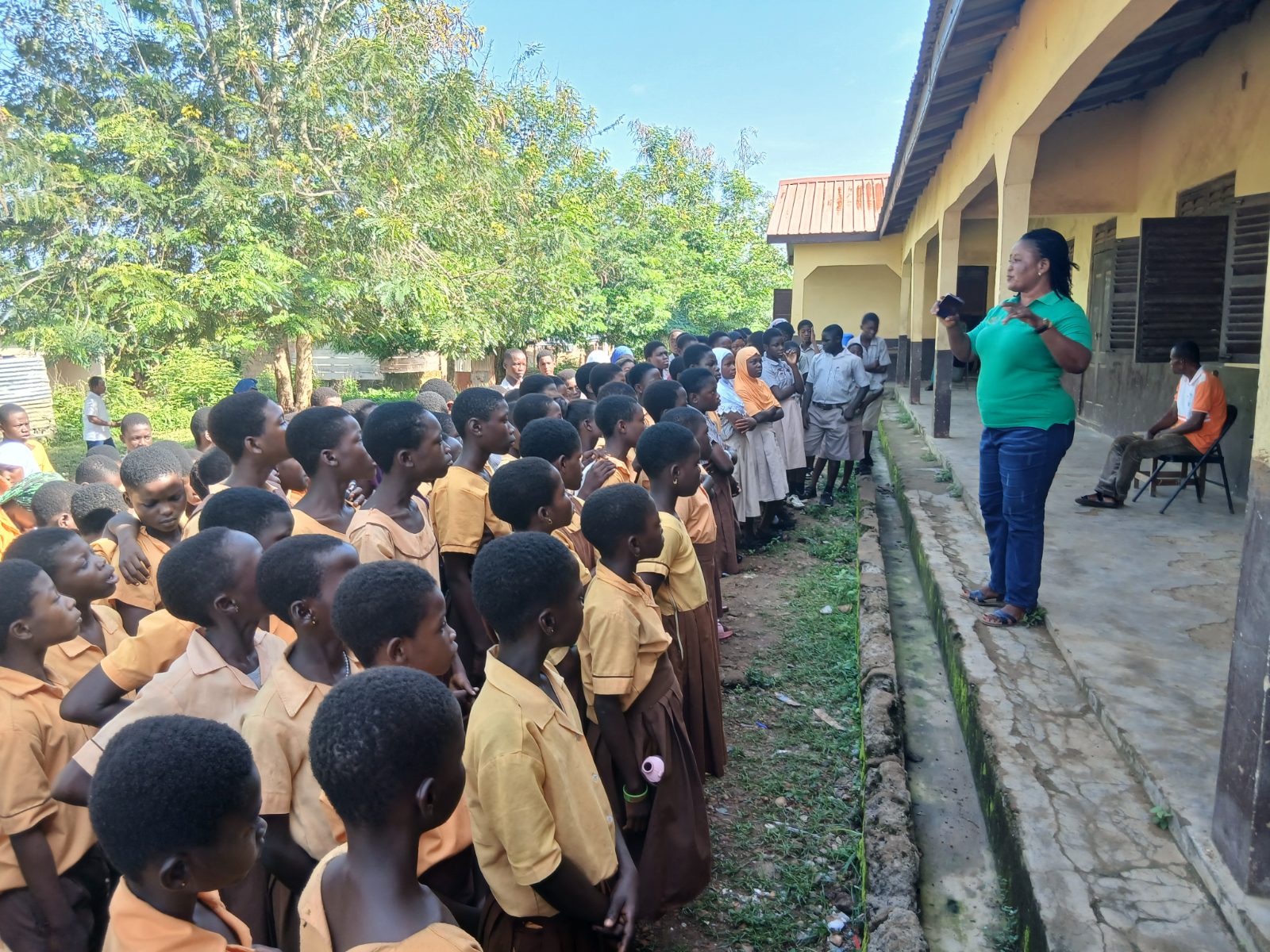
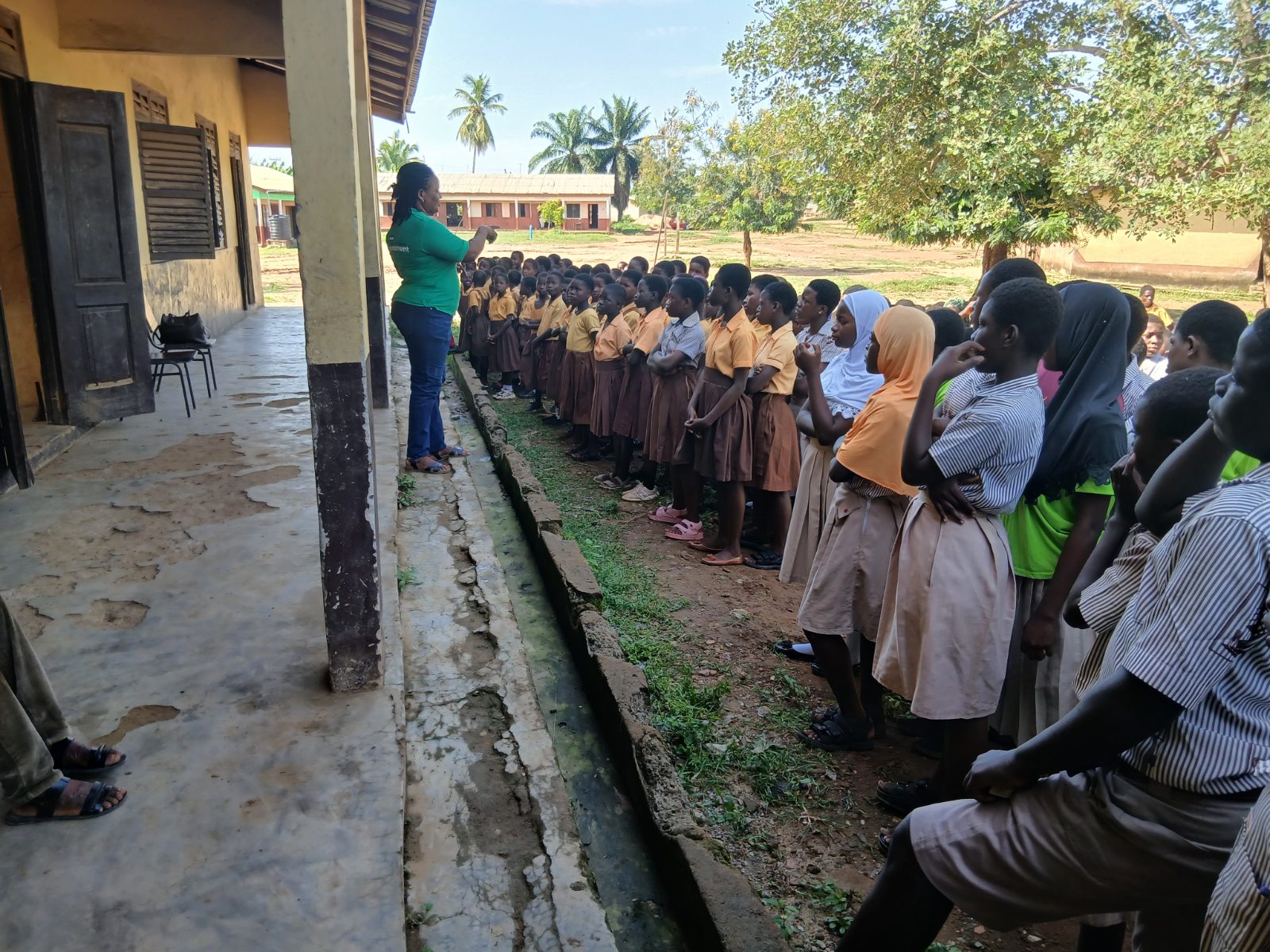
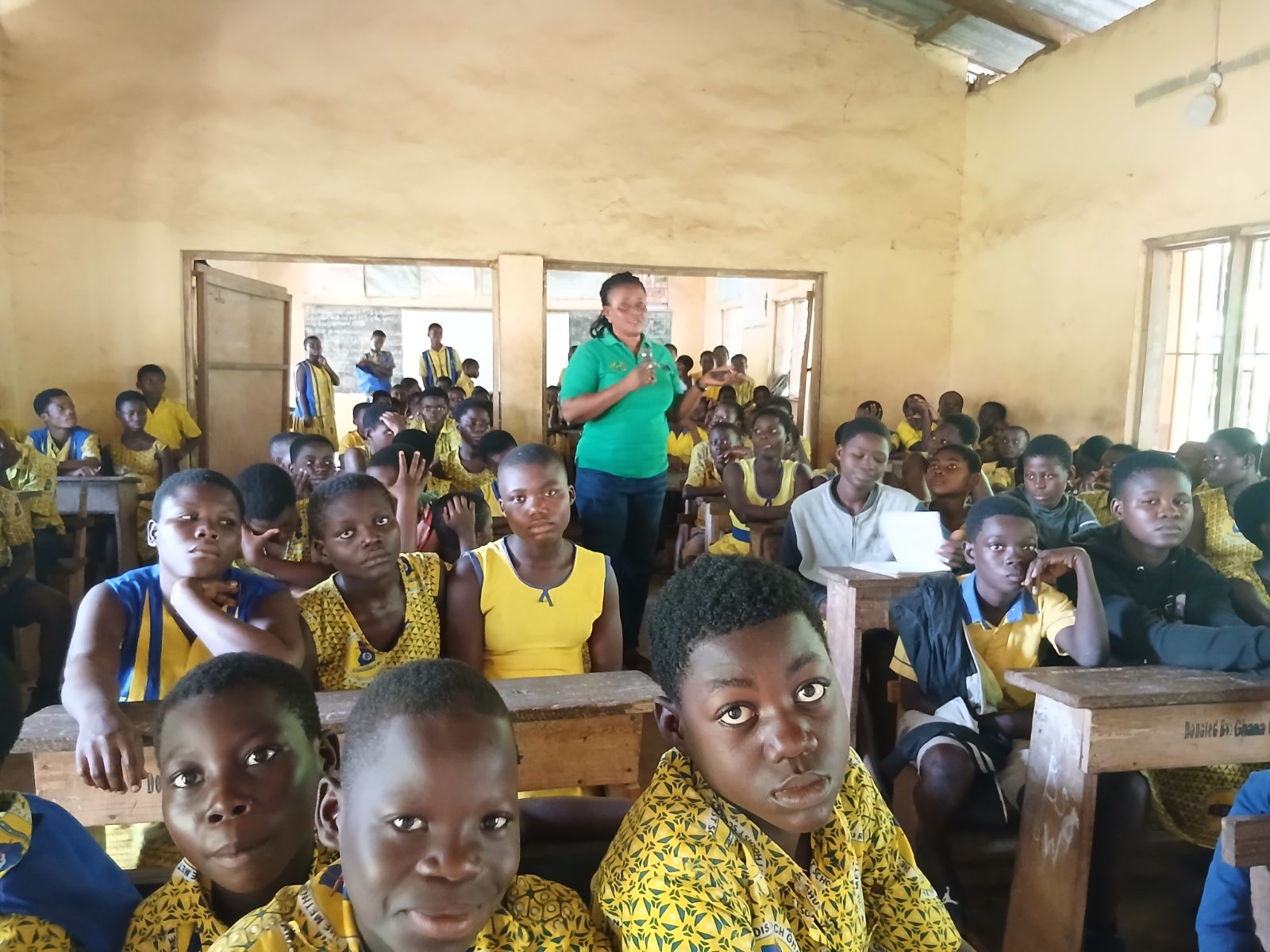
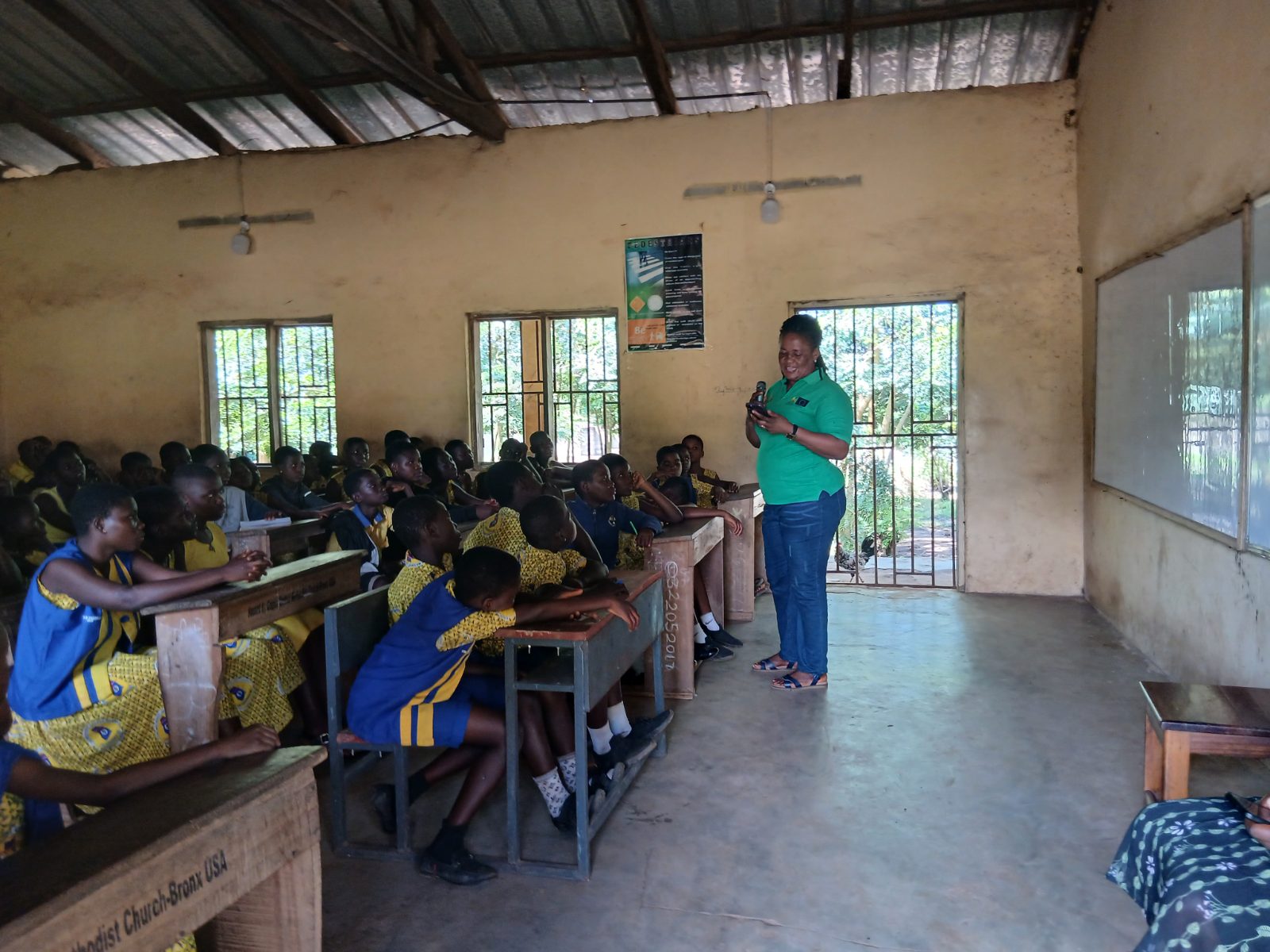
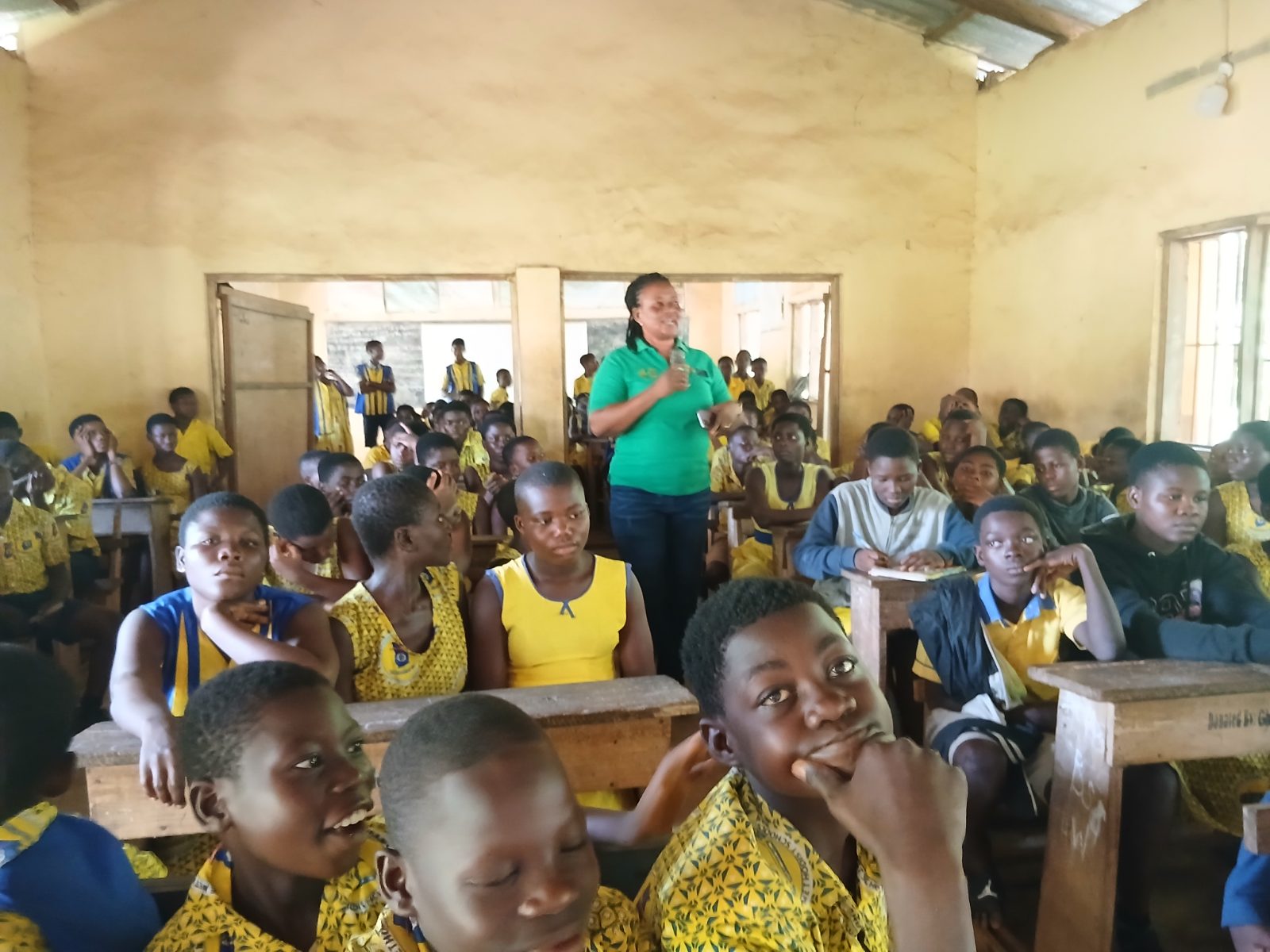
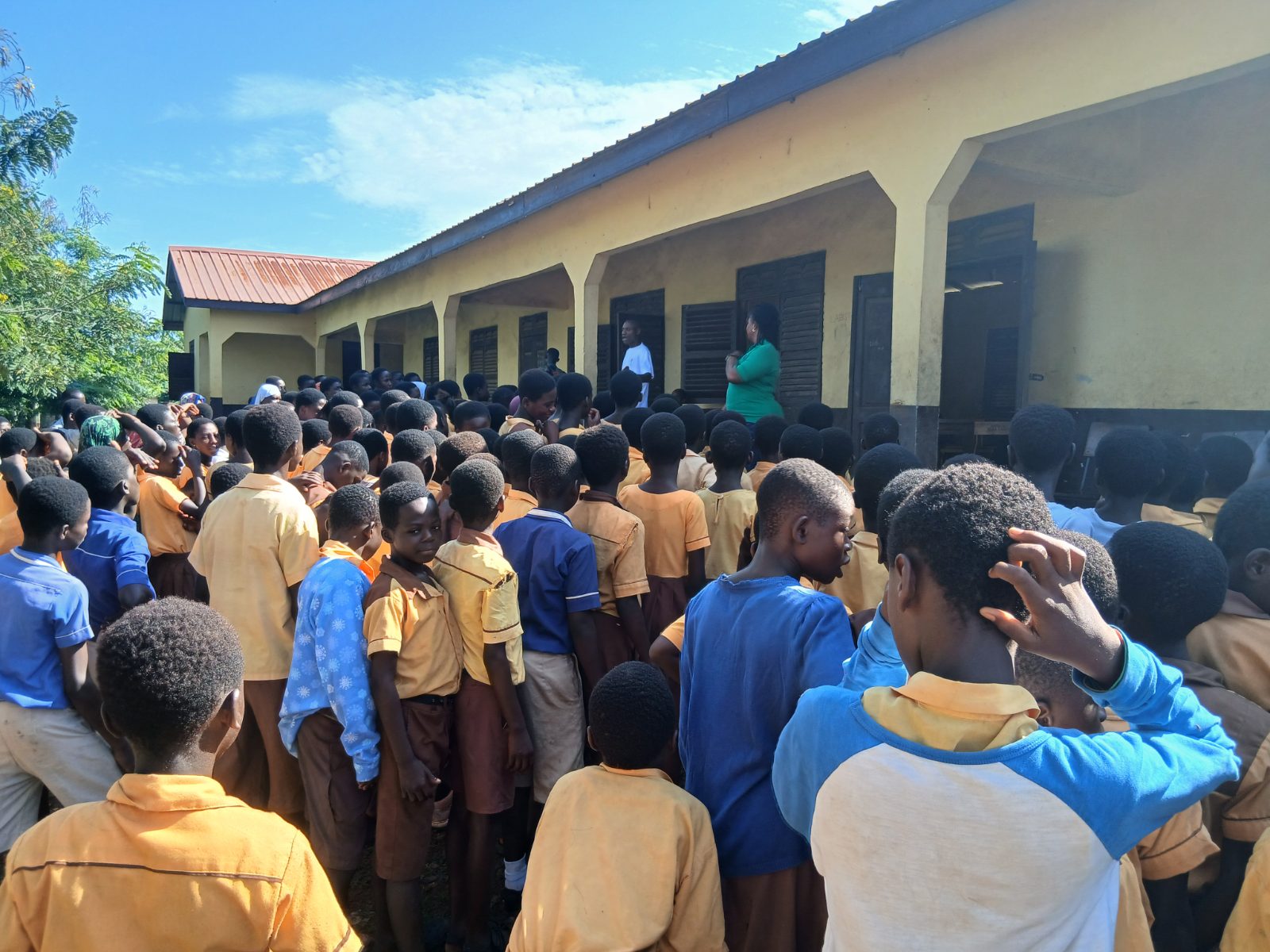
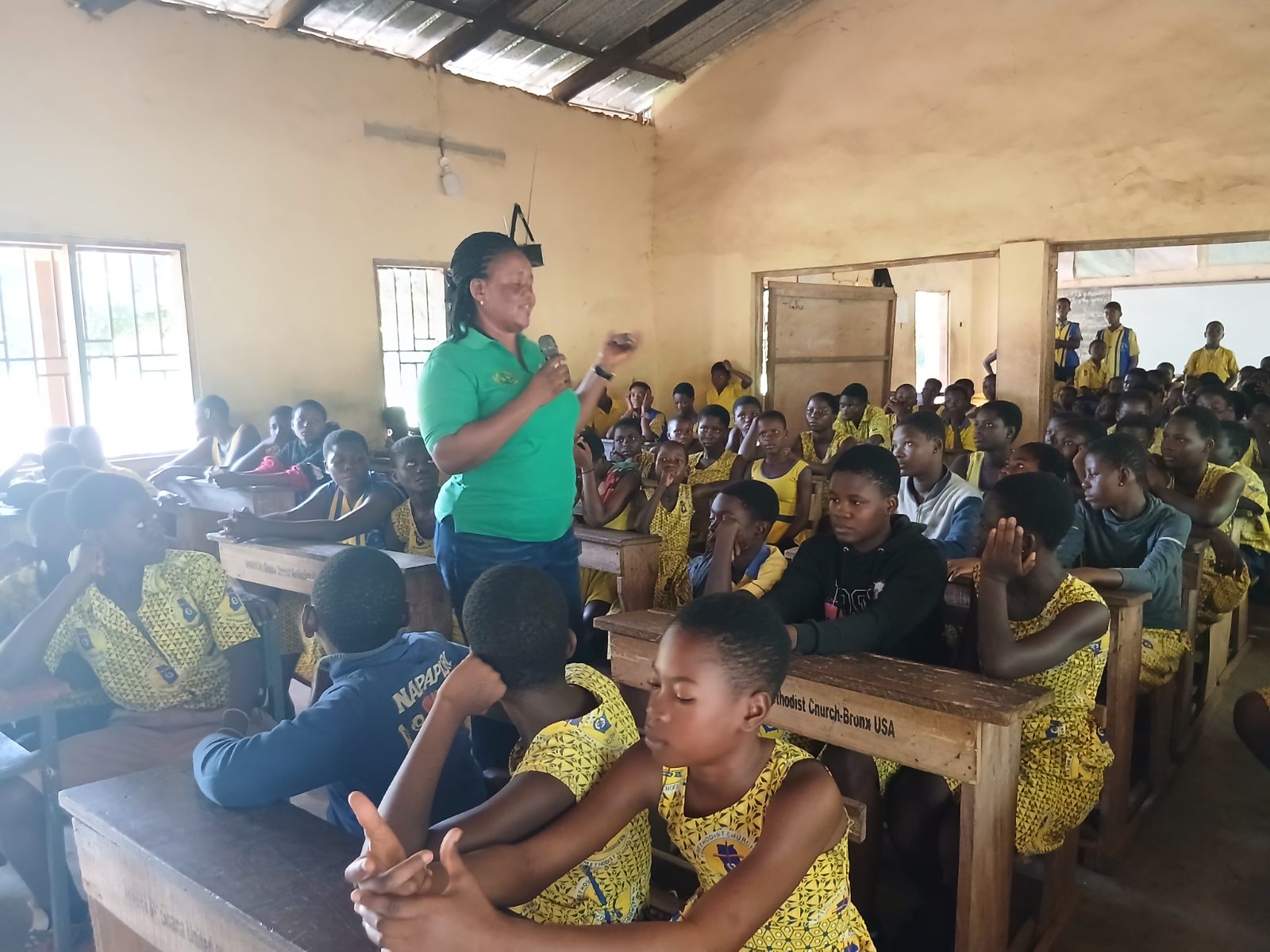
With growing concerns about climate change, pollution, and environmental degradation, the Gomoa Central District Directorate of the National Commission for Civic Education (NCCE) joined the global community to commemorate World Environment Day 2026 by engaging students of Nyakuadze Junior High School and Abasa Methodist Junior High School on the importance of protecting and preserving the environment. The educational programme, held on Friday, June 5, 2026, sought to promote environmental stewardship and encourage young people to adopt responsible practices that contribute to a cleaner, healthier, and more sustainable future.
Addressing the students, Mrs. Janet Antwi Boasiakoh, Assistant Director, explained that World Environment Day is observed annually on June 5 by the United Nations to raise global awareness and encourage action towards environmental protection. She noted that the occasion serves as a reminder that every individual has a role to play in safeguarding the natural resources upon which human survival depends.
Building on the significance of the celebration, Mrs. Antwi Boasiakoh emphasized that environmental conservation is not only a global concern but also a civic responsibility enshrined in Ghana's laws. She explained that Article 41(k) of the 1992 Constitution of Ghana places a duty on every citizen to protect and safeguard the environment. According to her, environmental protection should not be left solely to adults, as children also have an important role to play in preserving the environment through positive attitudes and actions.
She therefore encouraged the students to actively participate in communal labor activities, clear choked gutters to facilitate free drainage, and ensure proper waste disposal both at home and in school. She further advised them to avoid indiscriminate felling of trees for firewood and charcoal production and to desist from bush burning, noting that such practices contribute significantly to environmental degradation. According to her, adopting environmentally friendly habits helps create a clean, healthy, and sustainable environment for present and future generations.
Transitioning to the consequences of environmental neglect, Mrs. Antwi Boasiakoh highlighted several dangers associated with environmental degradation. These include flooding resulting from blocked drainage systems, pollution of water bodies, loss of biodiversity, climate change, soil erosion, and the spread of diseases such as malaria and cholera. She explained that stagnant water caused by poor sanitation creates breeding grounds for mosquitoes, while unsanitary conditions increase the risk of waterborne diseases.
Furthermore, she noted that environmental conservation offers numerous benefits to society. These include access to clean air and water, improved public health, protection of wildlife and natural resources, enhanced agricultural productivity, and the mitigation of climate change effects. She stressed that a well-preserved environment contributes significantly to sustainable development and improves the quality of life of citizens.
The students were also encouraged to become ambassadors of environmental conservation by practicing environmentally responsible behaviors and sharing the knowledge acquired with their peers, families, and members of their communities. They were reminded that collective action is essential in addressing environmental challenges and ensuring a sustainable future for all.
The engagement formed part of the Gomoa Central Directorate's efforts to promote civic responsibility, environmental awareness, and sustainable development among young people within the district. The programme ended with students demonstrating a renewed commitment to protecting the environment and contributing positively to efforts aimed at preserving Ghana's natural resources.
_
Follow us on our social media pages for more stories and posts from the NCCE.

https://www.instagram.com/nccegh/

https://www.facebook.com/nccegh/
https://www.youtube.com/channel/UCwajFJmmlmzRf1OMM.
Leave a comment