The need to protect Ghana's democratic values in an era of misinformation, hate speech, and cyber-related offences took center stage when the Zenu Zonal Council Office of the National Commission for Civic Education (NCCE) engaged various community groups during the 2026 Constitution Week Celebration.
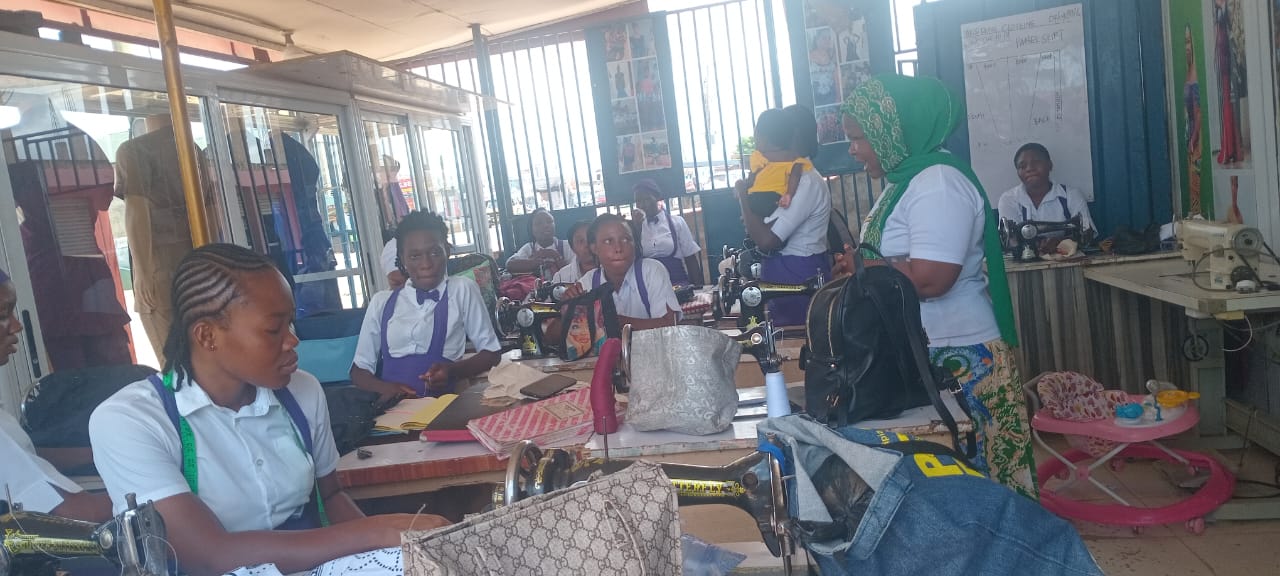
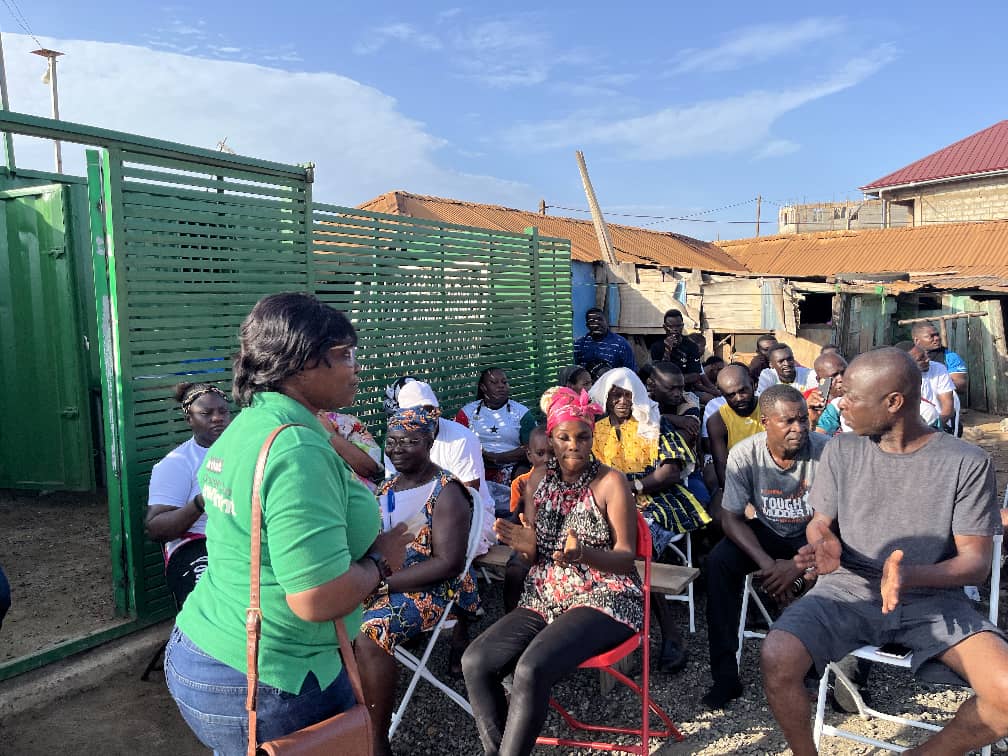
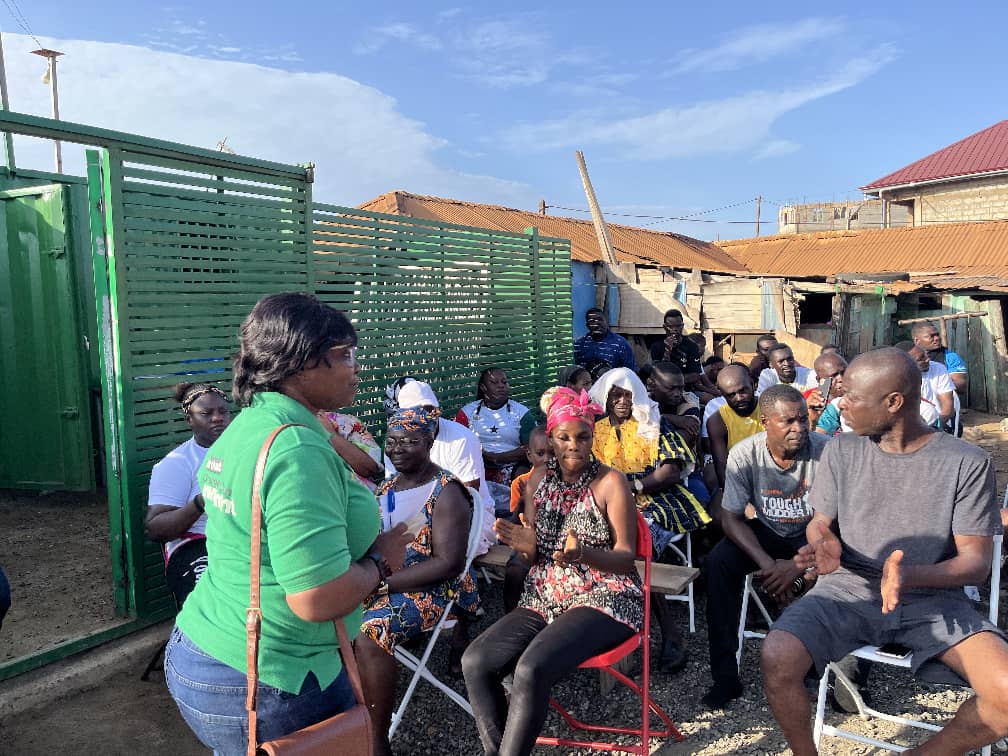
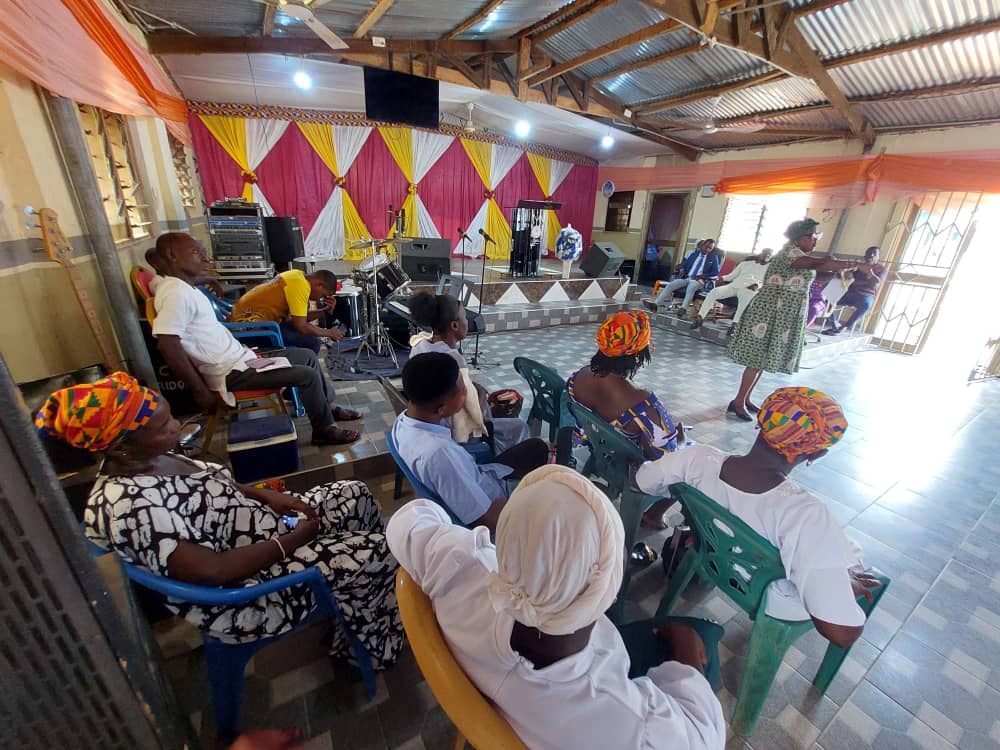
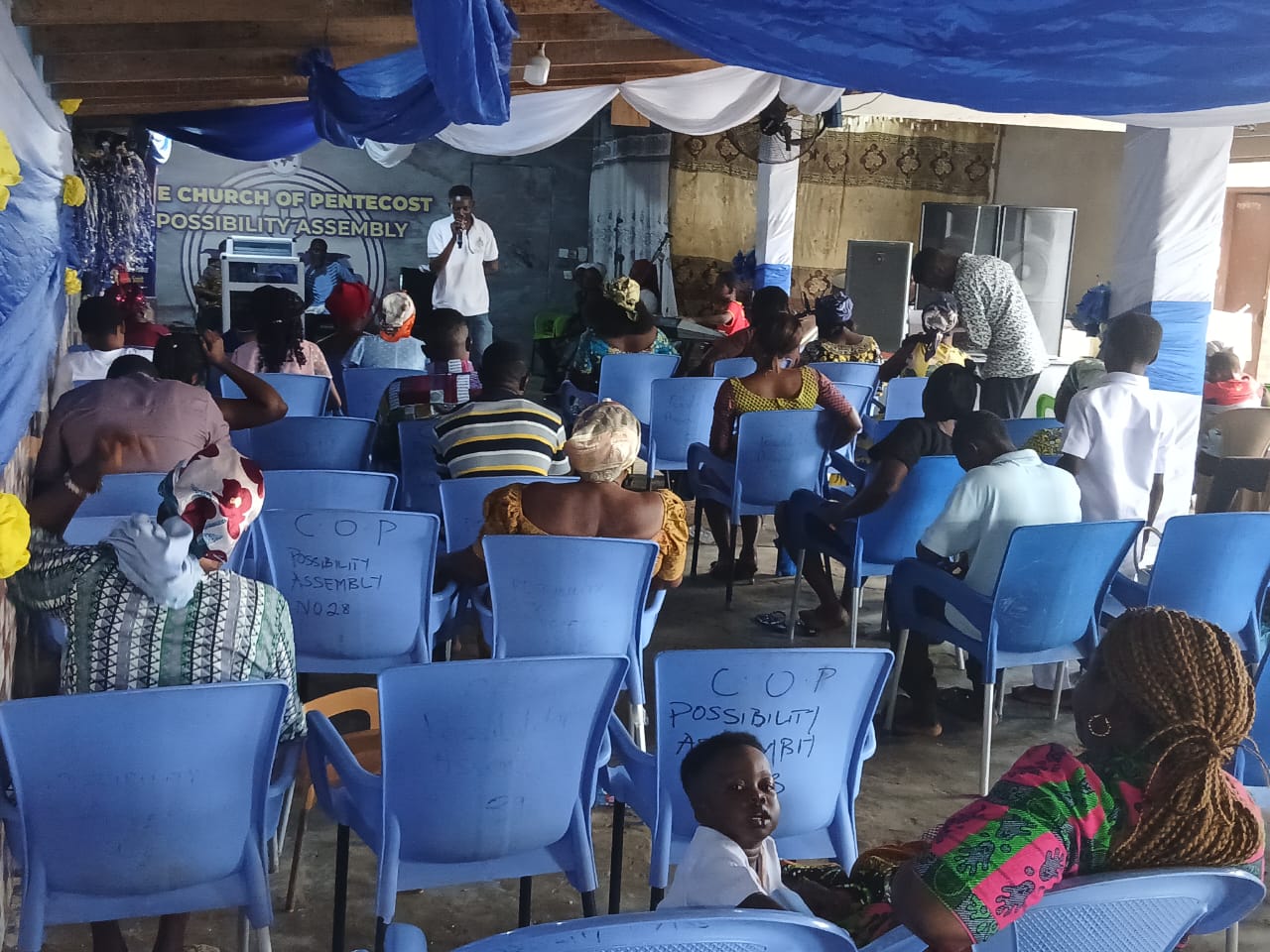
The engagement, held under the theme “Upholding the Constitution in the Digital Age: Our Collective Responsibility,” brought together members of faith-based organizations, marginalized groups, associations, artisans, and the Muslim community to discuss the importance of protecting constitutional values in an increasingly digital and interconnected world.
The programme formed part of the NCCE’s nationwide efforts to promote constitutional awareness and encourage responsible conduct both online and offline. It sought to improve public understanding of constitutional rights and responsibilities within the digital space while raising awareness about the dangers posed by misinformation, hate speech, and cyber-related offences.
Facilitators explained that the rapid growth of digital technology and social media has transformed the way people communicate, access information, conduct business, and participate in civic life. While these digital platforms provide immense opportunities for education, economic empowerment, and social interaction, they also present challenges that can threaten social cohesion and democratic stability when used irresponsibly.
Participants were educated on the relevance of the 1992 Constitution in safeguarding democracy, protecting fundamental human rights, and promoting peaceful coexistence among citizens. The facilitators emphasized that the Constitution remains the foundation of Ghana’s democratic governance and that every citizen has a role to play in protecting its principles.
A key focus of the engagement was the responsible use of social media and other digital platforms. Participants were encouraged to verify information before sharing it and to avoid circulating unverified reports, misleading content, or messages capable of creating fear, confusion, or division within society. They were reminded that misinformation and disinformation can undermine public trust, fuel conflict, and weaken democratic institutions.
The facilitators further highlighted the civic responsibilities of citizens as outlined in Article 41 of the 1992 Constitution. They stressed that every Ghanaian has a duty to uphold and defend the Constitution, promote the good name of the country, protect public property, and contribute to the maintenance of law and order. In today's digital environment, these responsibilities extend beyond the physical space to include responsible conduct online.
Participants also learned about the importance of respecting the rights, dignity, privacy, and opinions of others when engaging on social media platforms. They were encouraged to use digital tools to promote peaceful dialogue, civic education, national development, and positive social change rather than spreading harmful or divisive content.
The engagement provided an opportunity for meaningful interaction between the NCCE and members of the various groups. Participants shared their experiences and concerns regarding challenges they encounter online, including fake news, online scams, and abusive content. Discussions focused on practical measures individuals can adopt to contribute to a safer and more responsible digital environment.
Participants expressed appreciation to the NCCE for the timely and informative programme. They noted that the engagement had deepened their understanding of the Constitution and enhanced their awareness of the responsibilities that accompany the use of digital platforms in today's interconnected world.
At the end of the programme, participants pledged to become responsible digital citizens by promoting truthful information, rejecting hate speech and misinformation, respecting the rights of others, and upholding constitutional values in their interactions both online and offline.
The activity was considered successful as it reinforced the message that safeguarding the Constitution is a collective responsibility that requires the active participation of all citizens. It also provided a timely opportunity to remind participants that the protection of Ghana’s democratic values depends not only on actions taken in physical communities but also on responsible behaviour in the digital space.
_
Follow us on our social media pages for more stories and posts from the NCCE.

https://www.instagram.com/nccegh/

https://www.facebook.com/nccegh/
Leave a comment