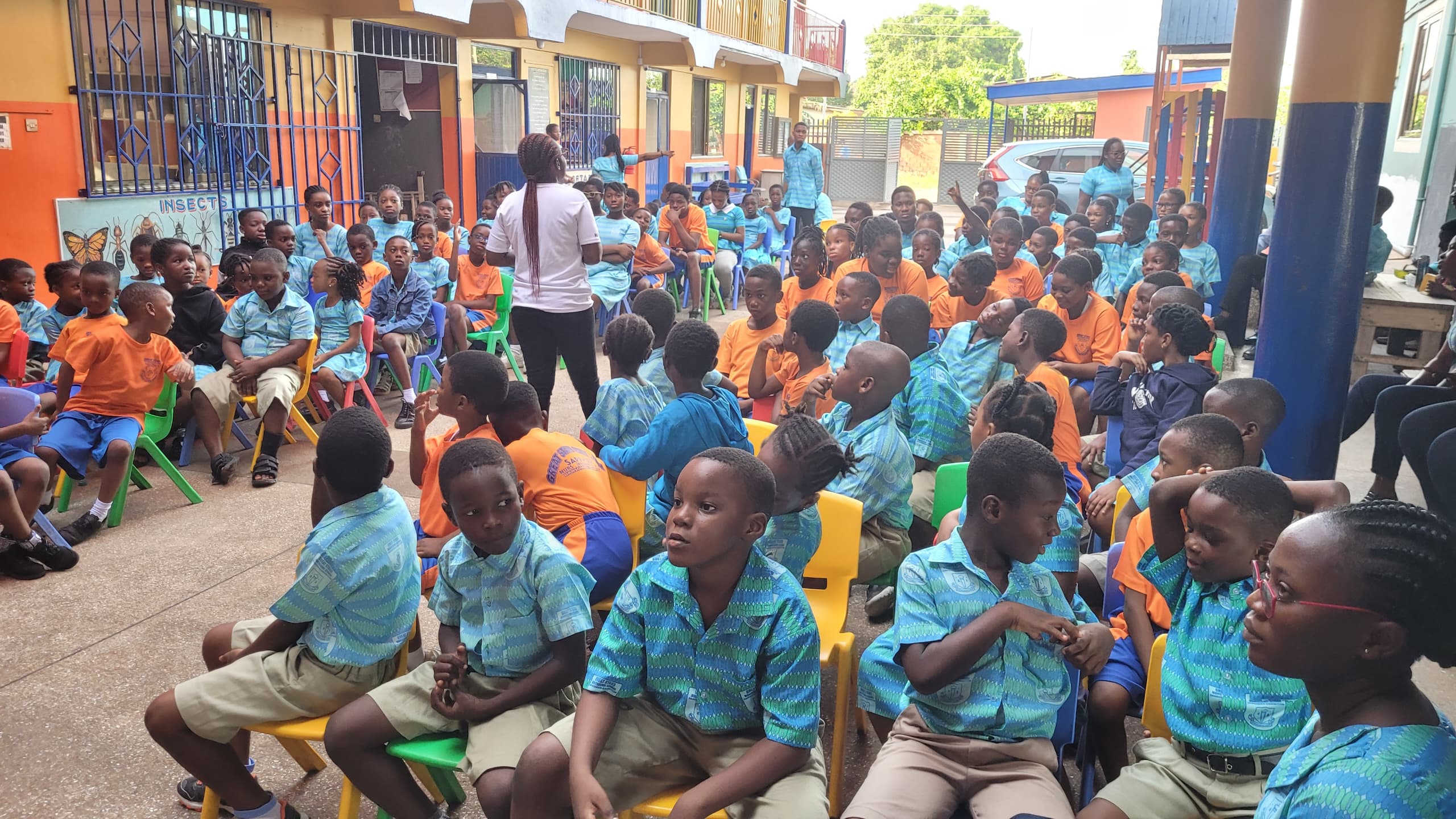
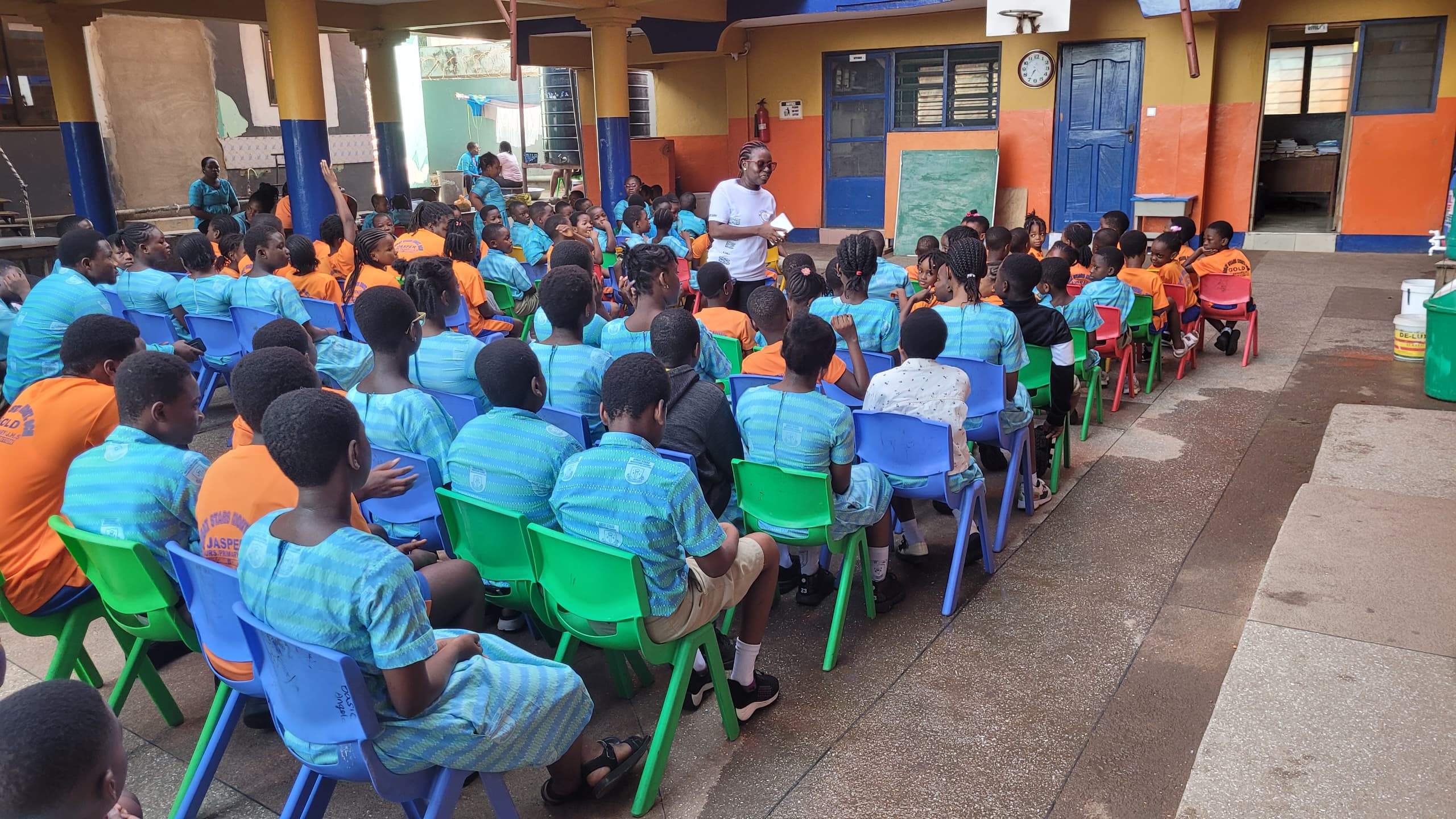
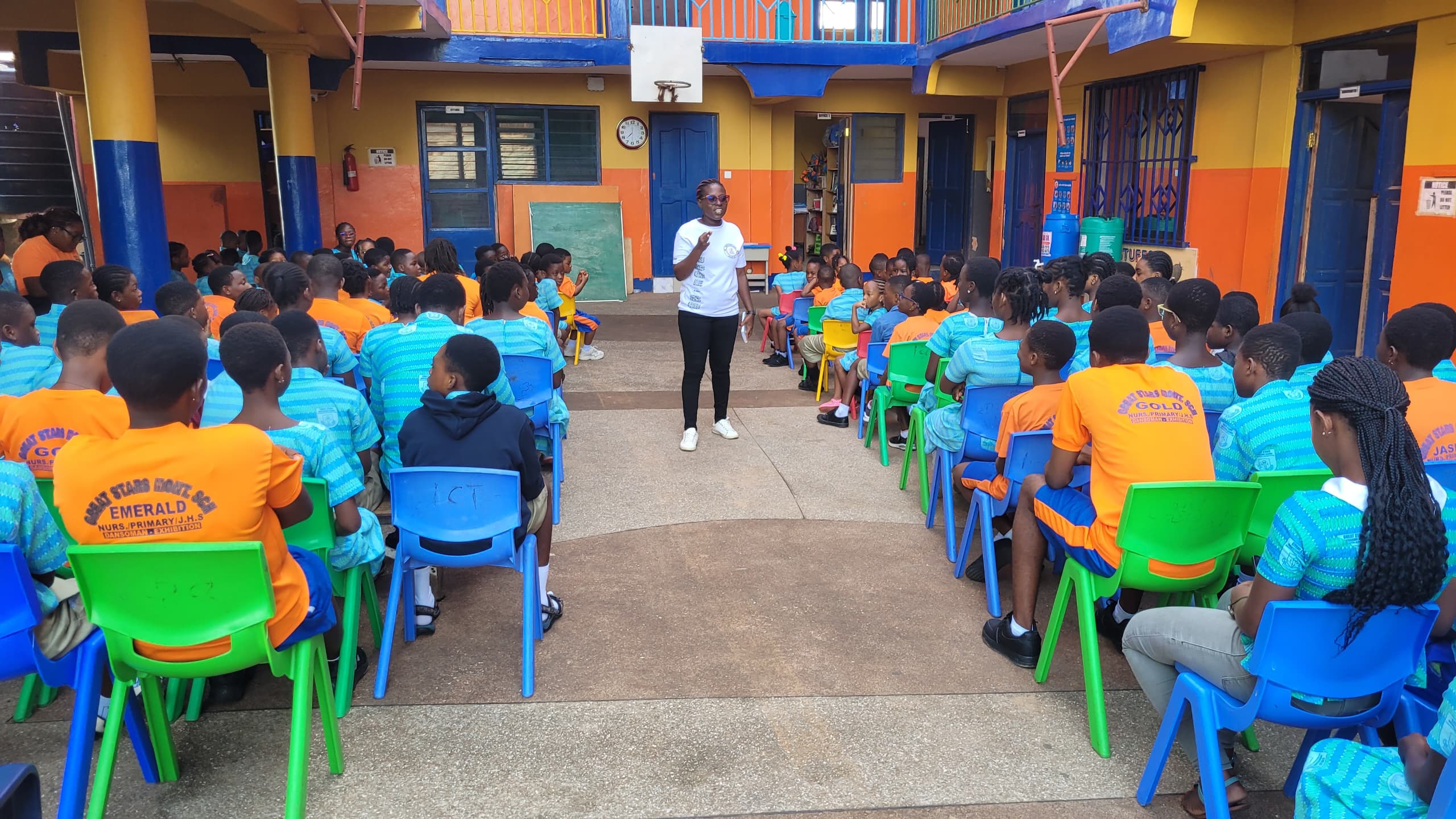
The Ablekuma West Office of the National Commission for Civic Education (NCCE) has engaged students of Great Stars School and Dansoman 3 Basic School on safe digital conduct and responsible use of online platforms.
As part of efforts to promote responsible digital citizenship among young people, students were urged to verify information before sharing it with family, friends, or the public.
During the interaction, discussions focused on positive digital behaviour, constitutional responsibilities, online safety, and the need for learners to use digital platforms respectfully and responsibly.
Serving as the resource person, Ms. Alice Osei Tutu, a senior staff member of the Ablekuma West Office, highlighted the importance of adopting responsible digital habits. She explained that digital platforms provide opportunities for learning, communication, creativity, and access to information, but also come with risks when used carelessly.
Ms. Osei Tutu cautioned the students against cyberbullying, online fraud, impersonation, identity theft, and the misuse of social media. She advised them to protect their personal information online and avoid sharing private details, images, passwords, or sensitive information with strangers.
Students were further reminded that cybercrimes have legal consequences and that actions taken online can affect their reputation, safety, education, and future opportunities. Responsible digital conduct, she noted, requires discipline, truthfulness, respect for others, and awareness of the possible impact of one’s online behaviour.
Touching on the 1992 Constitution, Ms. Osei Tutu reminded the students that the Constitution guarantees important freedoms, including equality before the law and freedom of expression. She, however, stressed that these freedoms must be exercised responsibly and with respect for the rights, dignity, and reputation of others.
Attention was also drawn to the duties of citizens, including obeying the laws of Ghana, respecting the rights of others, and protecting public property. Children, she explained, must learn early that rights and responsibilities go together, both in physical spaces and online.
Reference was also made to the protection provided under the Children’s Act. Ms. Osei Tutu noted that while children are entitled to care, protection, education, and dignity, they must also act responsibly and avoid conduct that harms themselves or others.
To guide the students before posting or sharing content online, she encouraged them to ask four important questions: What am I sharing? Is it true? Is it respectful? Could it harm someone?
The engagement ended with a call on students of Great Stars School and Dansoman 3 Basic School to become responsible digital citizens by verifying information, respecting others online, protecting their personal data, and using technology to support learning, peace, and positive development.
_
Follow us on our social media pages for more stories and posts from the NCCE.

https://www.instagram.com/nccegh/

https://www.facebook.com/nccegh/
Leave a comment