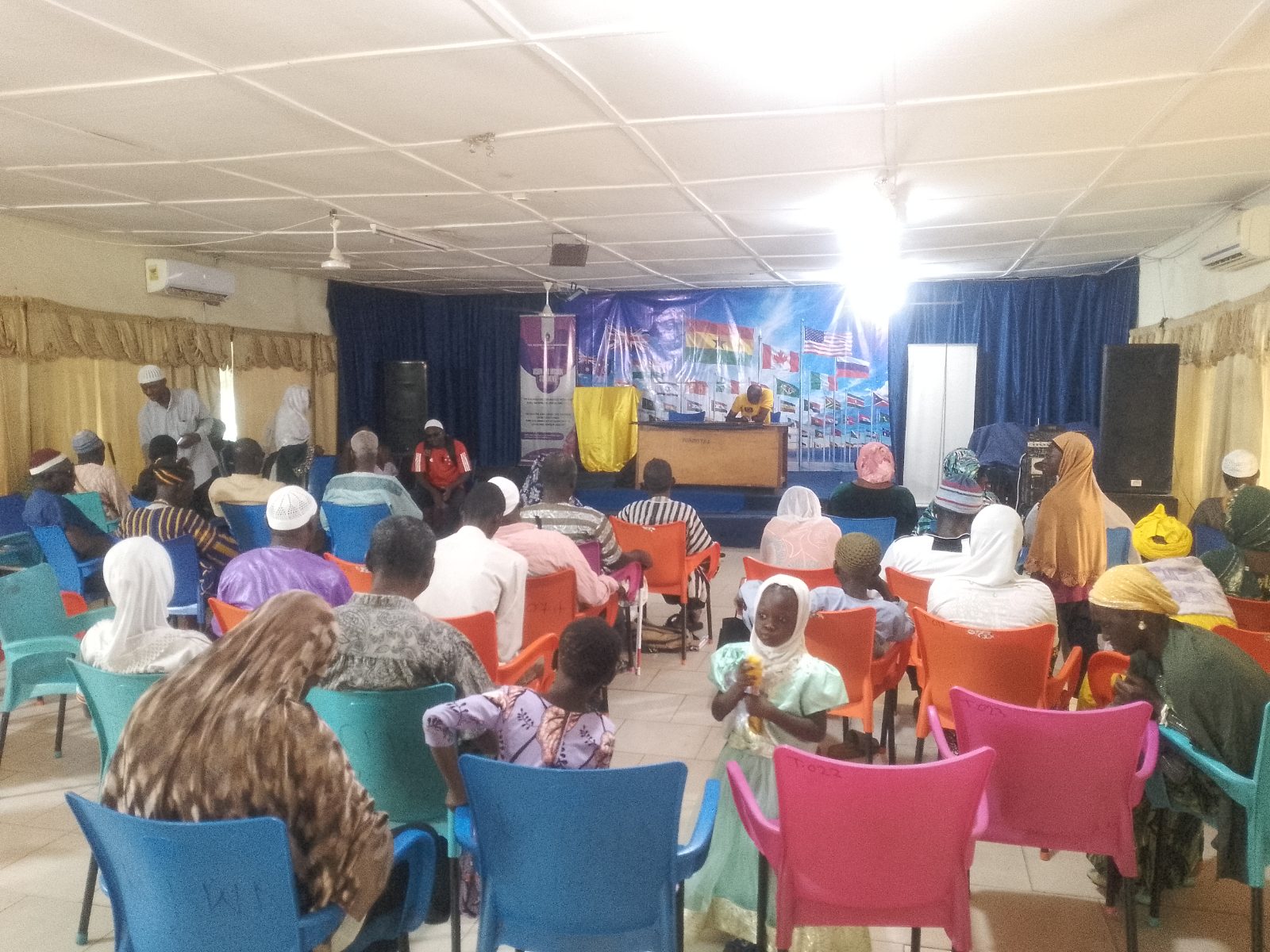
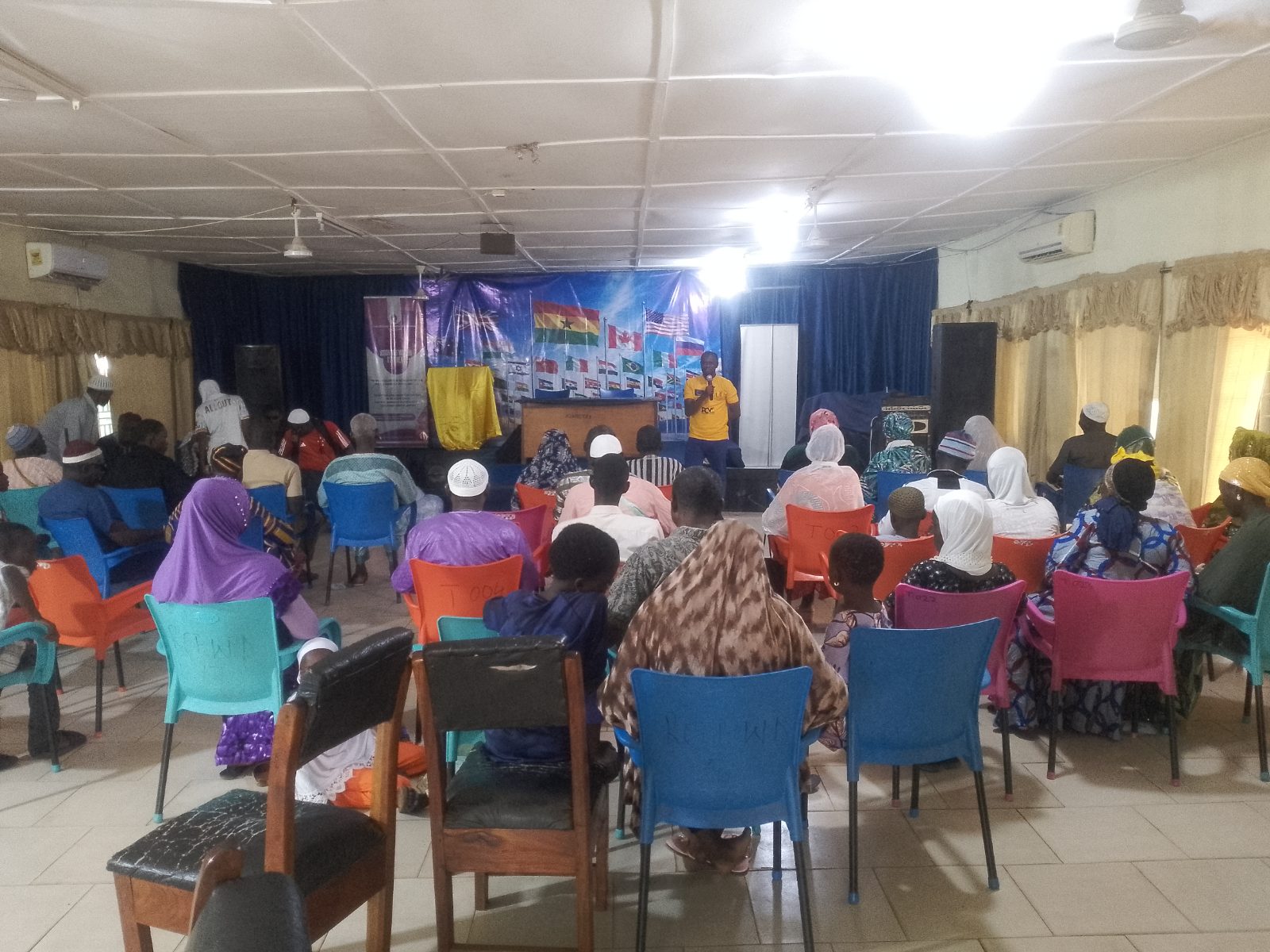
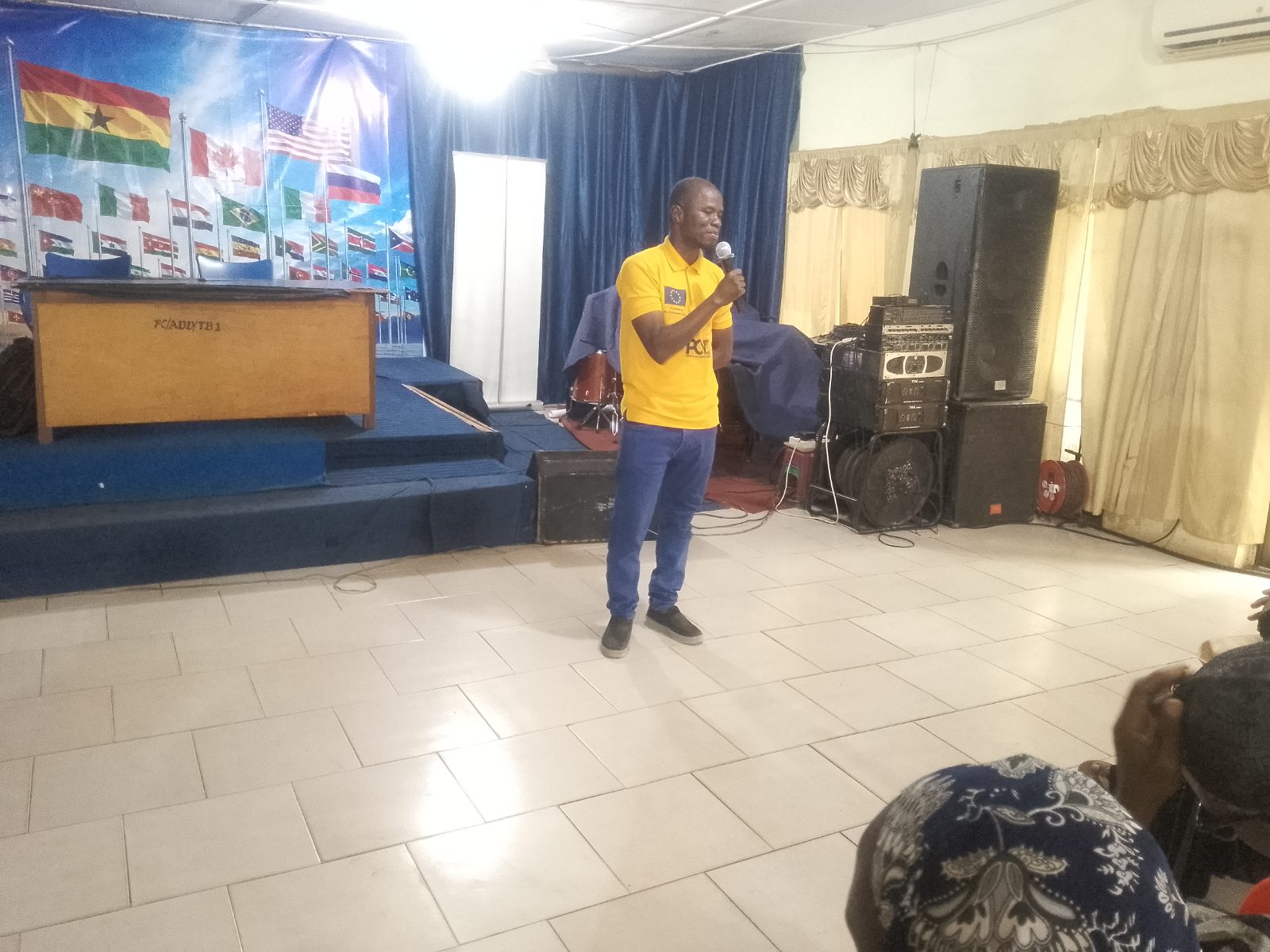
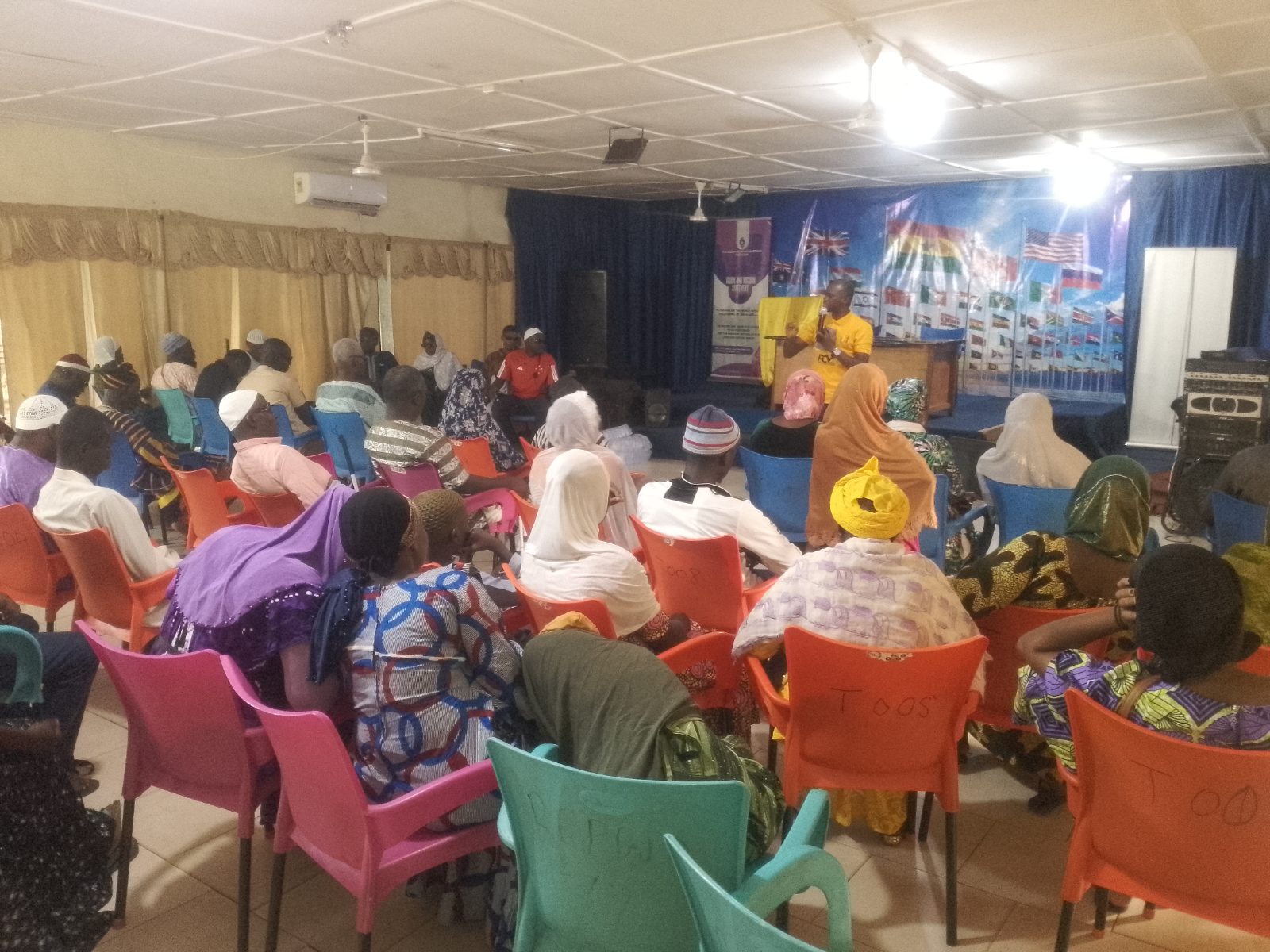
This concern came to the fore when the Tamale Metropolitan Directorate of the National Commission for Civic Education (NCCE) engaged Persons with Disabilities (PWDs), particularly persons with visual impairments, in a sensitization programme on human rights and disability rights at the Tamale Disability Centre.
The engagement, was led by the Metro Director, Mr. Mahama Abdul Fatawu, who used the platform to educate participants on their constitutional and international rights, while also providing an avenue for them to speak openly about the barriers they encounter in their daily lives.
Speaking on Article 29 of the 1992 Constitution of Ghana, Mr. Abdul Fatawu explained that the provision specifically recognizes and protects the rights of persons with disabilities and places an obligation on the state to promote their welfare while ensuring that they are treated with dignity and respect.
He further drew attention to the United Nations Convention on the Rights of Persons with Disabilities (UNCRPD) and Ghana’s Persons with Disability Act, 2006 (Act 715), stressing that public institutions, schools, hospitals, workplaces and other service providers have a responsibility to take reasonable steps to remove barriers that hinder persons with disabilities from accessing essential services.
According to him, understanding one’s rights is an important step towards empowering citizens to demand inclusion, dignity, equal opportunity and full participation in society.
However, as the discussion moved from legislation to lived experiences, participants revealed that significant barriers still exist.
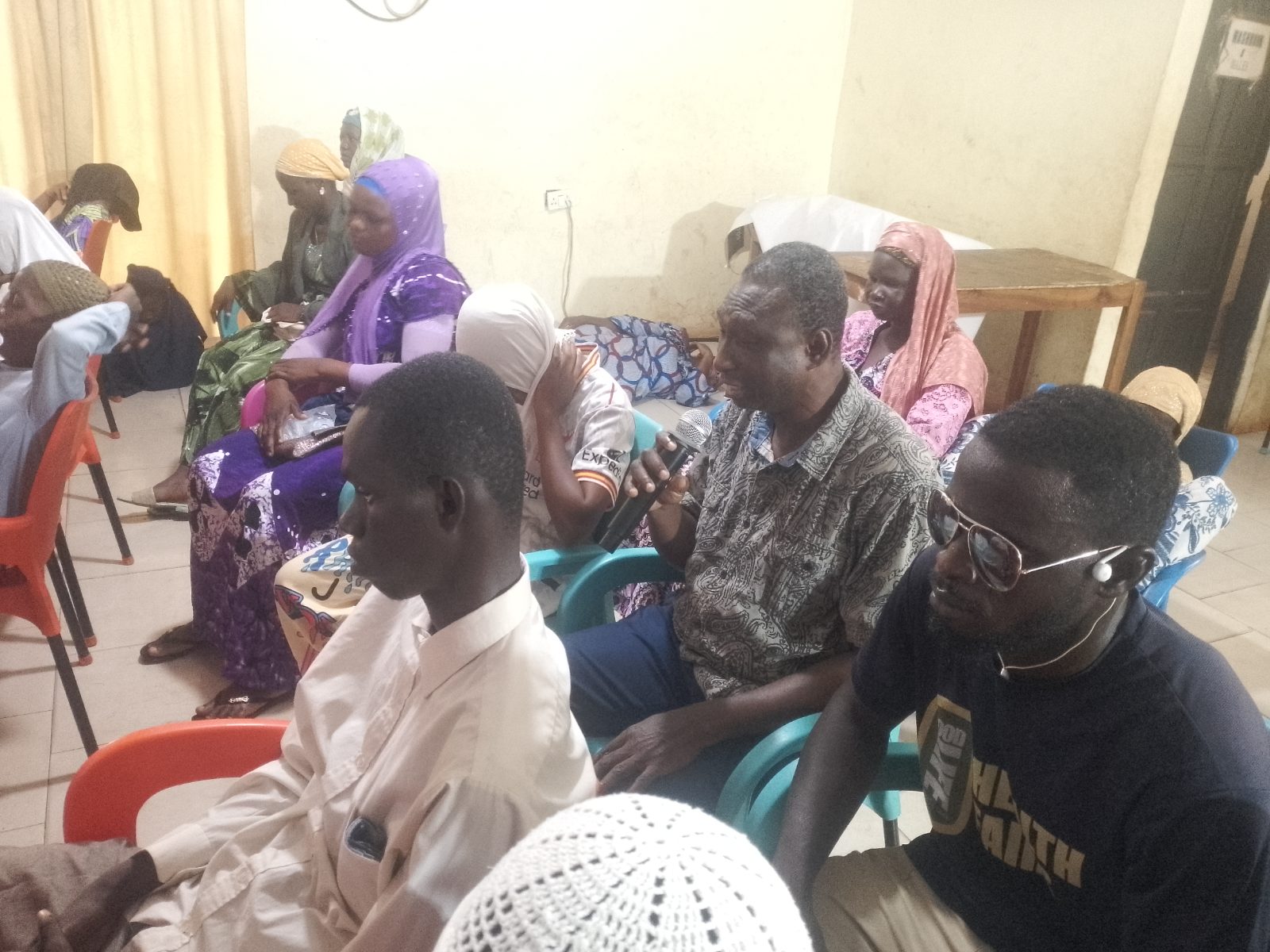
Members of the visually impaired community spoke about difficulties they encounter when accessing hospitals, public offices and schools, particularly where buildings and facilities lack appropriate and accessible entry points. They also raised concerns about the limited availability of Braille materials in mainstream public schools, noting that such resources remain more readily available in special schools.
One participant, Mr. Tamimu Mohammed Salifu, a professional teacher who is visually impaired, shared a personal challenge that illustrates the gap between having a right and being able to fully exercise it. He explained that the absence of a Braille version of the syllabus makes it difficult for him to effectively prepare and deliver lessons to his students.
Participants also drew attention to the hospitality sector, observing that several hotels in Tamale and other parts of the country do not provide adequate facilities and services to meet the needs of persons with disabilities.
The concerns raised transformed the sensitisation programme into more than a one-way educational session. It became a platform for dialogue, allowing participants to connect constitutional provisions and disability laws with the realities they face in their homes, workplaces, schools and public spaces.
At the close of the programme, participants expressed appreciation to the NCCE for creating a platform where persons with disabilities could learn about their rights and, equally importantly, have their experiences heard. They called for more sustained engagements to amplify the voices of persons with disabilities, address accessibility barriers and promote a society where no one is excluded because of a disability.
The engagement reaffirmed the NCCE’s commitment to promoting informed citizenship and ensuring that constitutional rights are understood, respected and enjoyed by all citizens, including persons with disabilities.
_
Follow us on our social media pages for more stories and posts from the NCCE.

https://www.instagram.com/nccegh/

https://www.facebook.com/nccegh/
https://www.youtube.com/channel/UCwajFJmmlmzRf1OMM.
Leave a comment