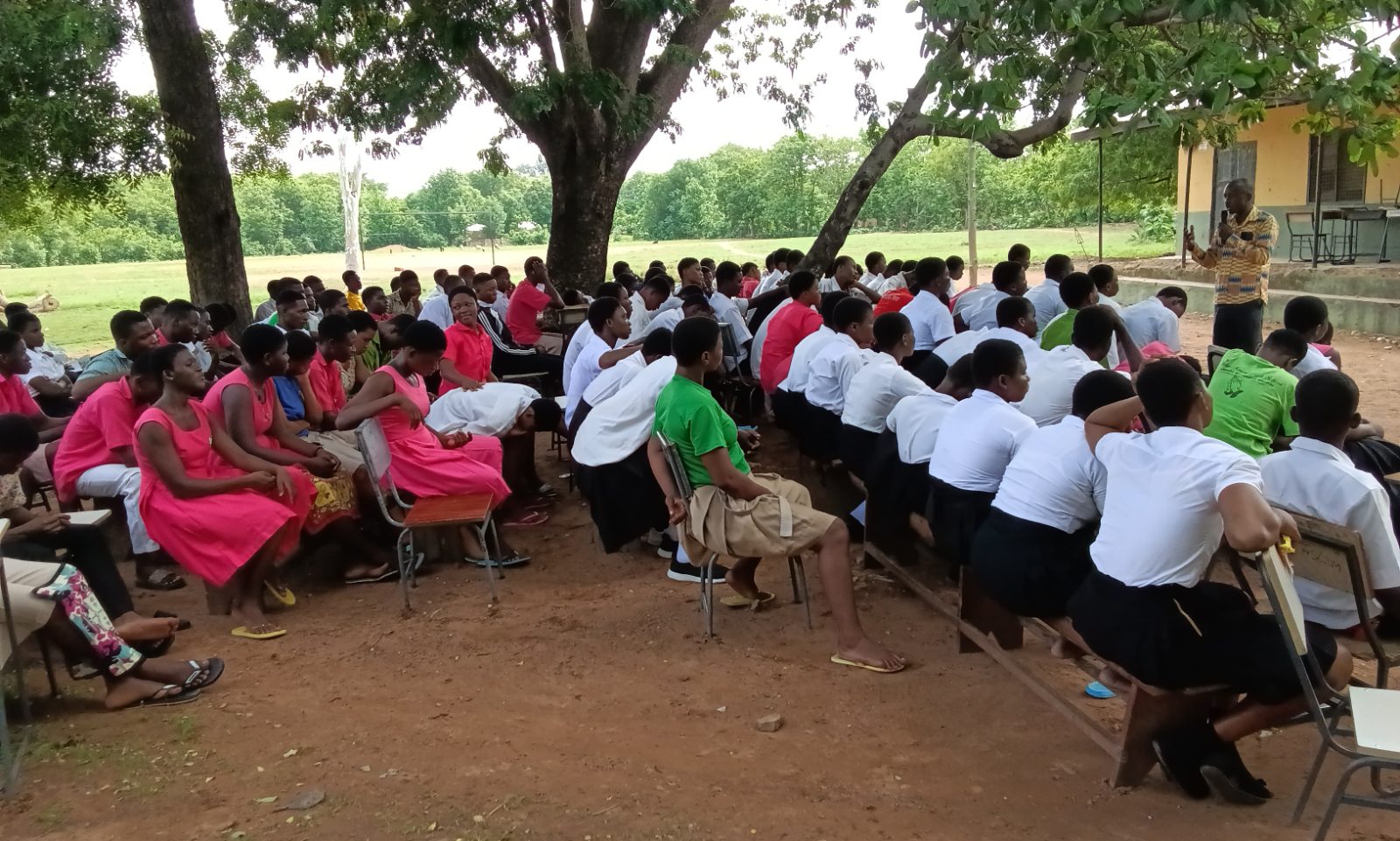
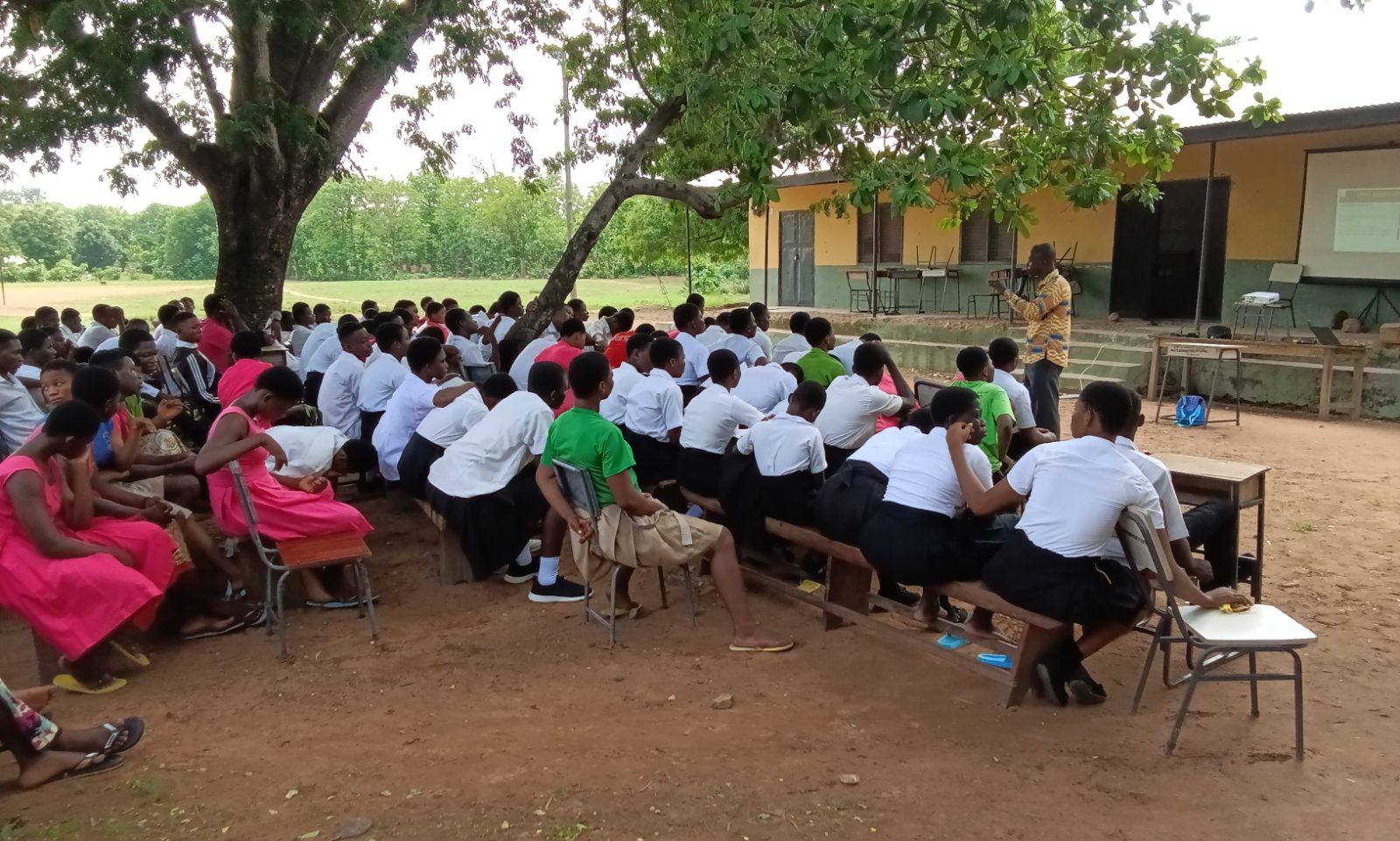
Students and teachers of Takpo Senior High School have been urged to avoid substance abuse and cyber-related crimes in order to protect their future and contribute positively to national development.
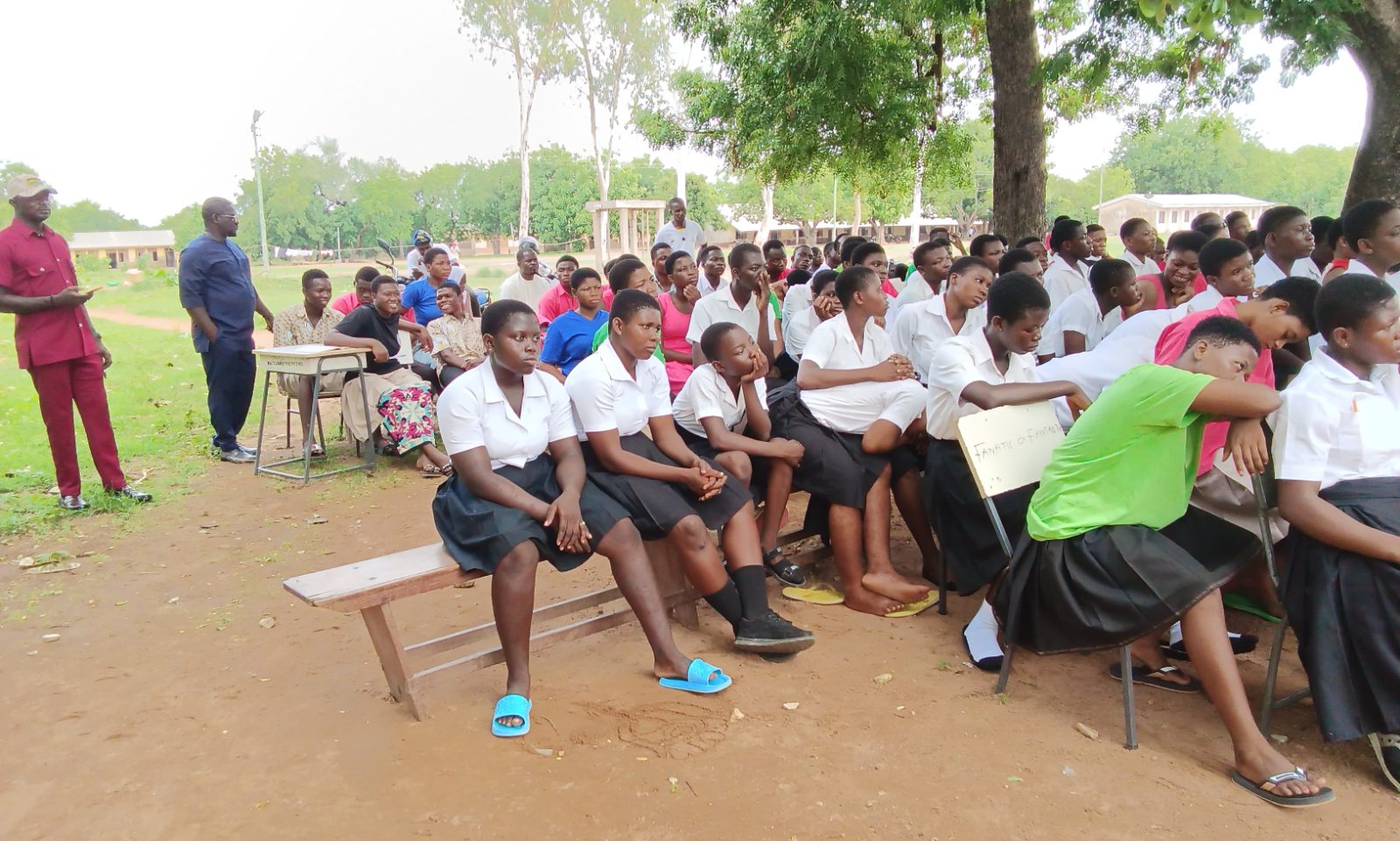
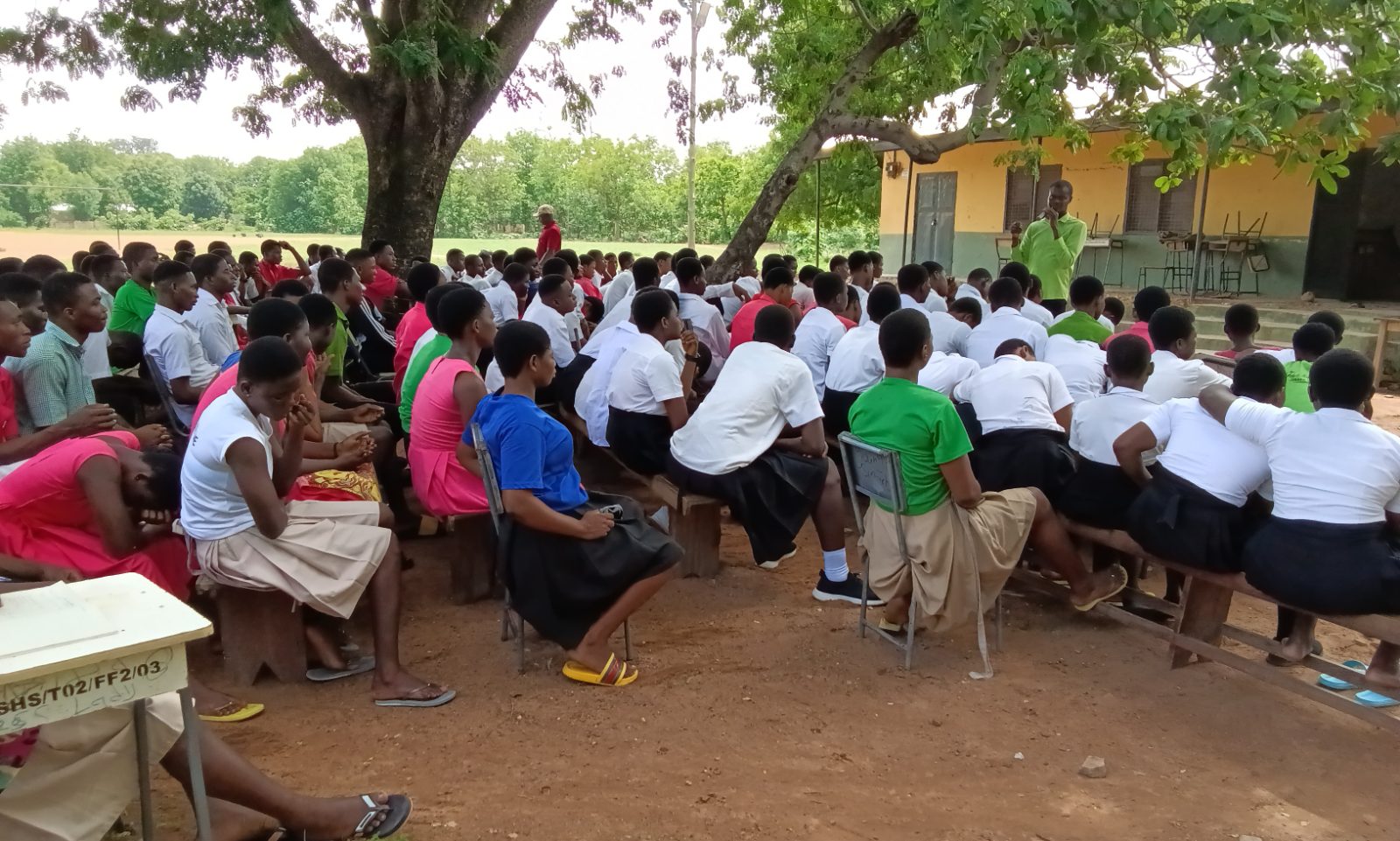
The call was made during a joint educational engagement organized by the Nadowli-Kaleo District Offices of the National Commission for Civic Education (NCCE) and the Narcotic Control Commission (NACOC) on 12th June 2026. The programme formed part of efforts by the two institutions to promote responsible citizenship, healthy lifestyles, and safe use of digital platforms among young people.
The engagement brought together students, teachers, and school management for discussions on the dangers of substance abuse, cyberbullying, online fraud, and other internet-related offences. Participants were educated on the legal, social, and psychological consequences of these activities and encouraged to make responsible choices both online and offline.
Addressing the students, Mr. Emmanuel Der Tambile, District Director of NCCE, emphasized the need for young people to exercise caution and responsibility in their use of digital technologies. He noted that cyberbullying and internet-related crimes are becoming increasingly prevalent, with many perpetrators falling within the youth demographic.
Mr. Tambile cautioned students against engaging in harmful online practices such as online harassment, impersonation, spreading misinformation, disseminating false statements, and sharing offensive content on social media platforms. According to him, such actions can cause emotional harm to victims, damage reputations, and attract legal consequences.
He further educated participants on internet fraud and other cybercrimes, stressing that unlawful activities conducted online are punishable under Ghanaian law. Students were therefore encouraged to use digital platforms responsibly, protect their online identities, and uphold ethical behaviour in all their online interactions.
Transitioning to the issue of substance abuse, the District Commander of NACOC, Mr. Caezar Tengzagh, highlighted the growing threat posed by the misuse of illicit drugs and controlled substances among young people. He expressed concern about the increasing number of drug-related cases involving the youth and warned that the trend could have serious implications for education and national development.
Mr. Tengzagh explained that substance abuse can lead to addiction, mental health challenges, poor academic performance, delinquent behaviour, and strained family relationships. He urged students to stay away from drugs and seek guidance from parents, teachers, counsellors, and other trusted adults whenever they encounter situations involving substance use or peer pressure.
He emphasized that making responsible decisions today is critical to securing a successful future and achieving personal goals.
The programme featured an interactive session during which students asked questions and shared their perspectives on substance abuse and cyber-related offences. Some participants sought clarification on reporting mechanisms for individuals, including law enforcement officers, who may be involved in illicit drug activities.
In response, the facilitators provided practical guidance on how to report suspected offences through the appropriate channels and encouraged students to speak up whenever they encounter wrongdoing.
Participants were also educated on how to identify warning signs associated with substance abuse and cyberbullying, as well as ways of supporting colleagues who may be victims of these harmful practices.
In his remarks, the Headmaster of Takpo Senior High School, Mr. Isaiah Tienaah, expressed appreciation to the NCCE and NACOC for the timely intervention. He noted that such engagements are essential in shaping the attitudes and behaviours of young people and equipping them with the knowledge needed to make informed decisions.
He further assured the institutions of the school's commitment to supporting initiatives that promote responsible citizenship, healthy lifestyles, and the holistic development of students.
The programme ended with participants demonstrating a deeper understanding of the dangers associated with substance abuse and cybercrime, as well as the importance of adopting responsible behaviours that safeguard their education, well-being, and future careers.
_
Follow us on our social media pages for more stories and posts from the NCCE.

https://www.instagram.com/nccegh/

https://www.facebook.com/nccegh/
Leave a comment