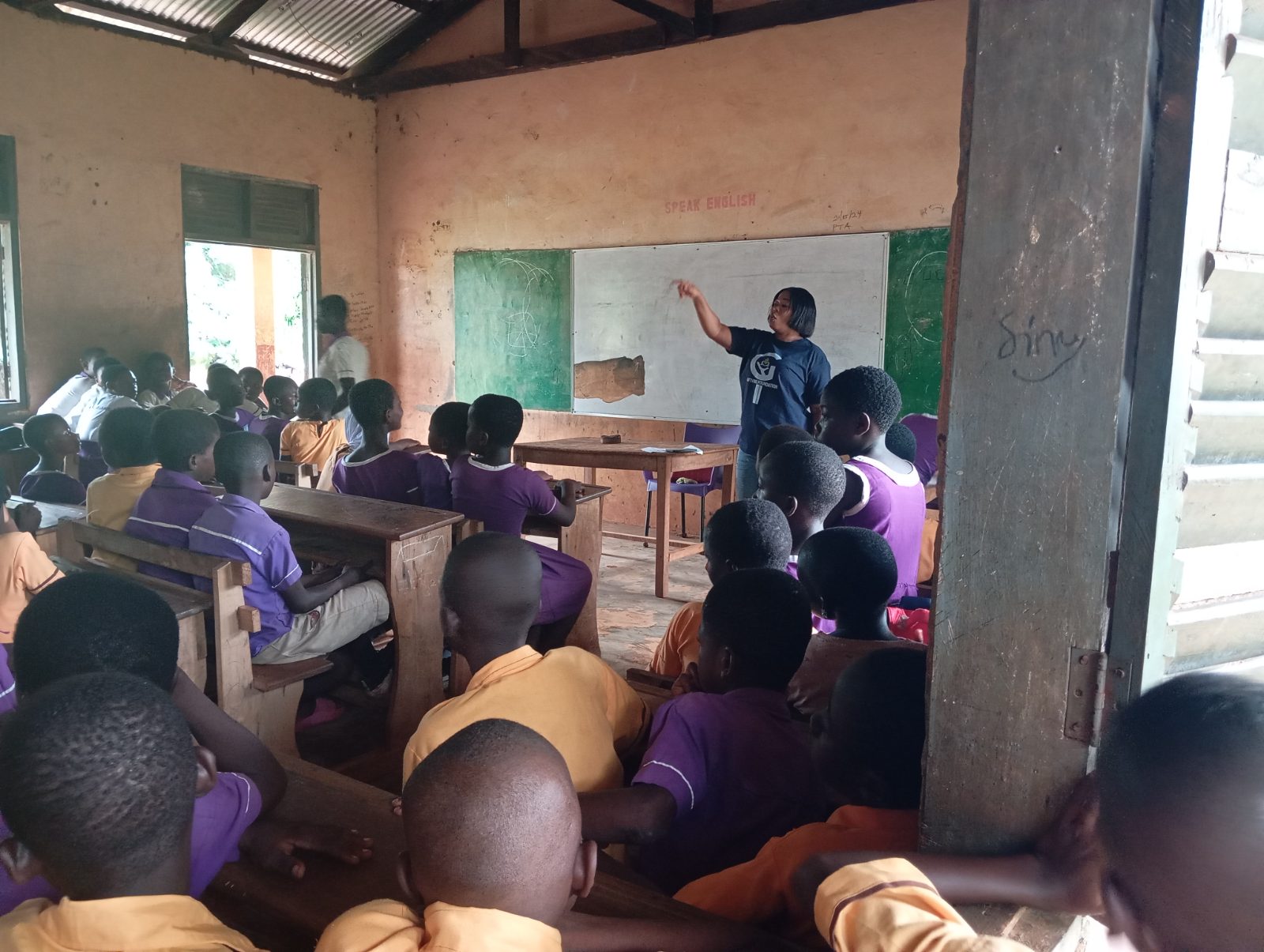
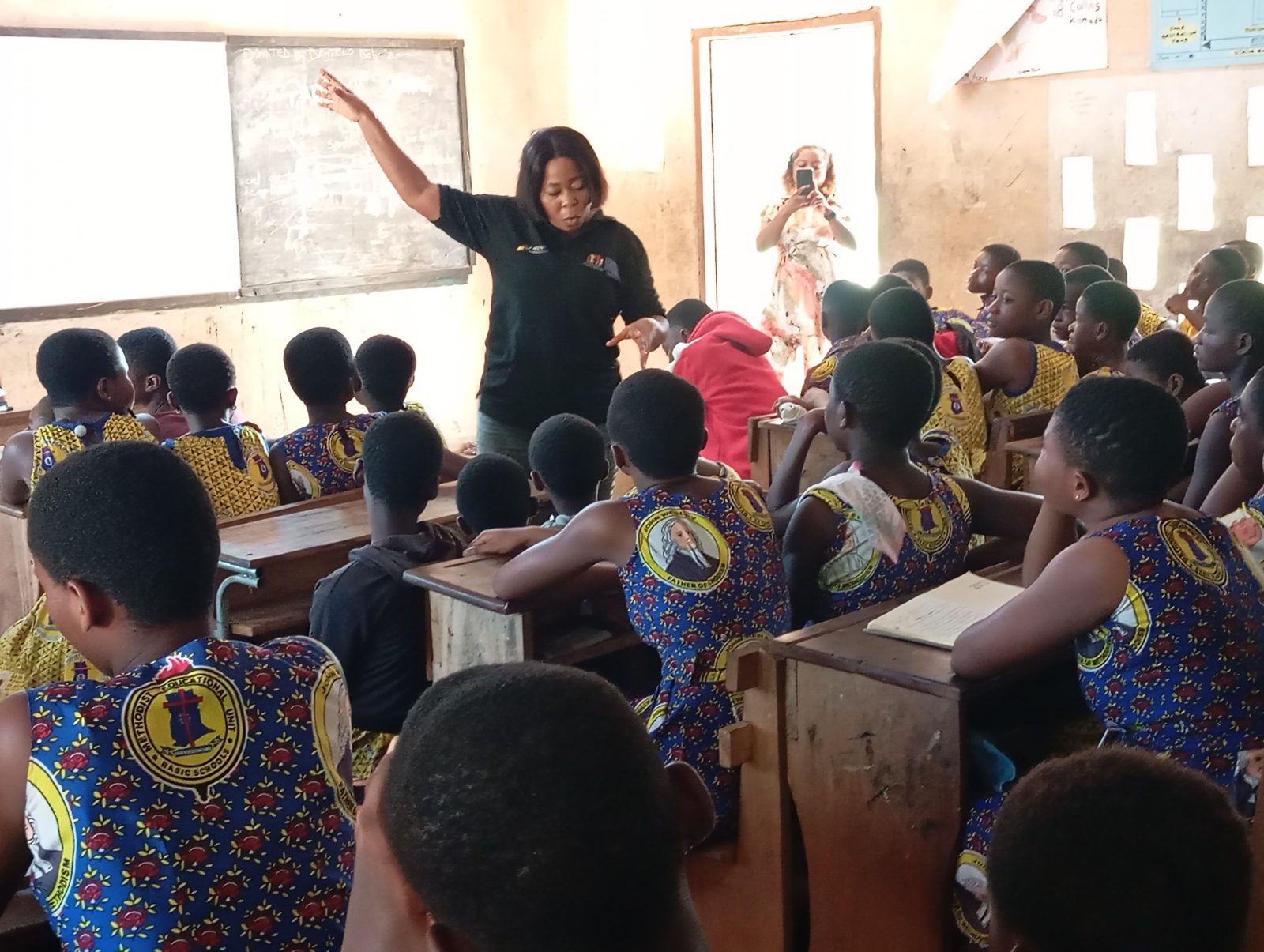
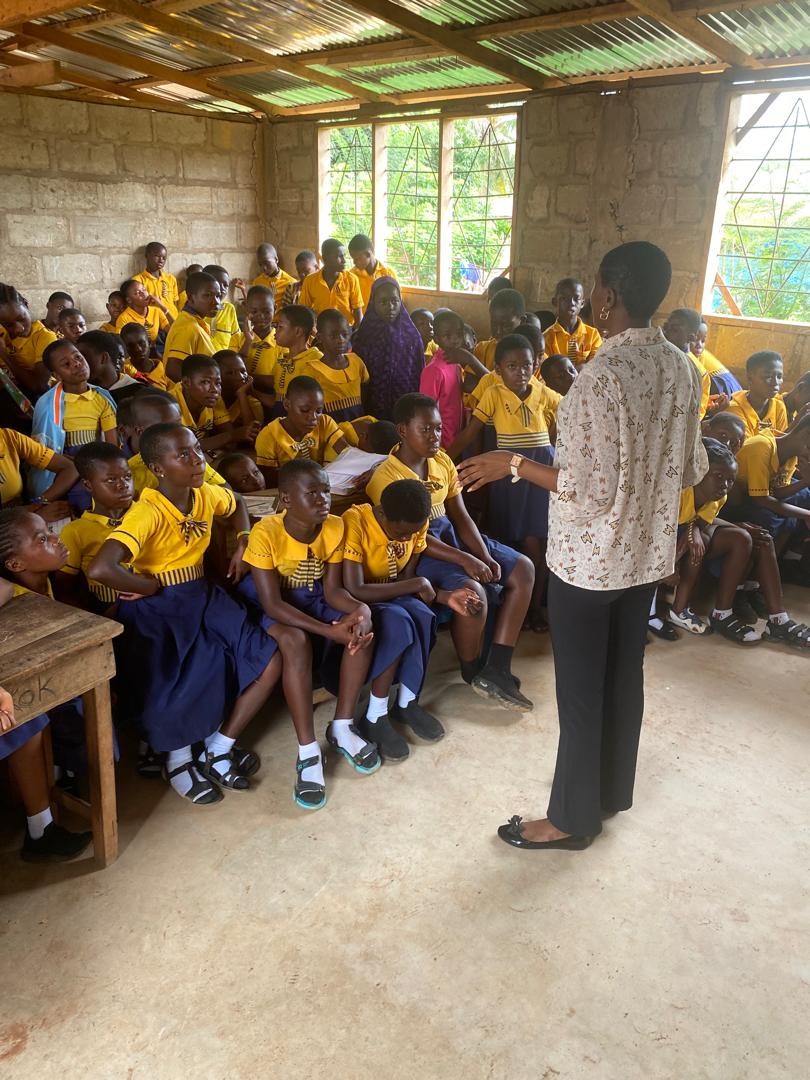
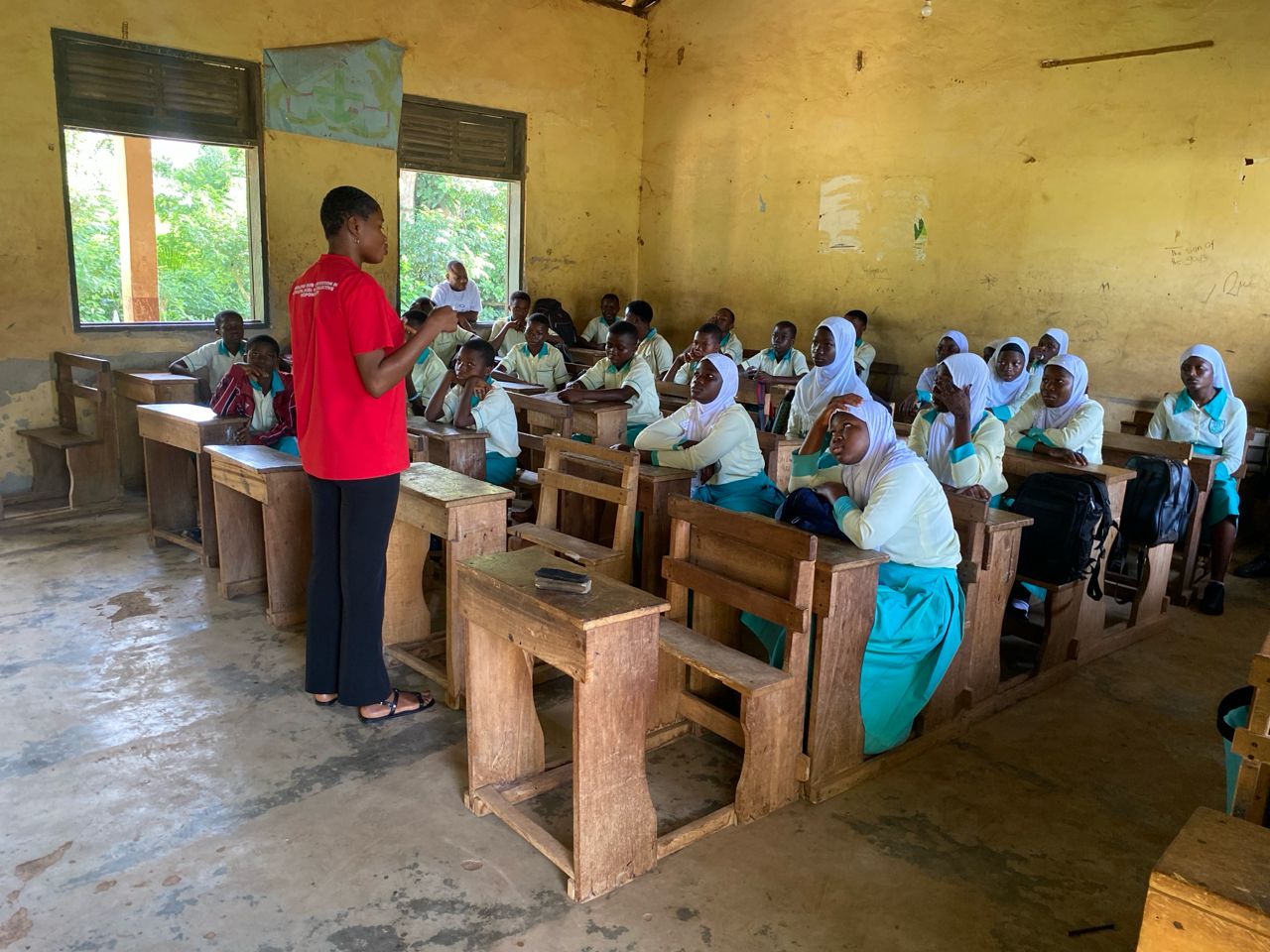
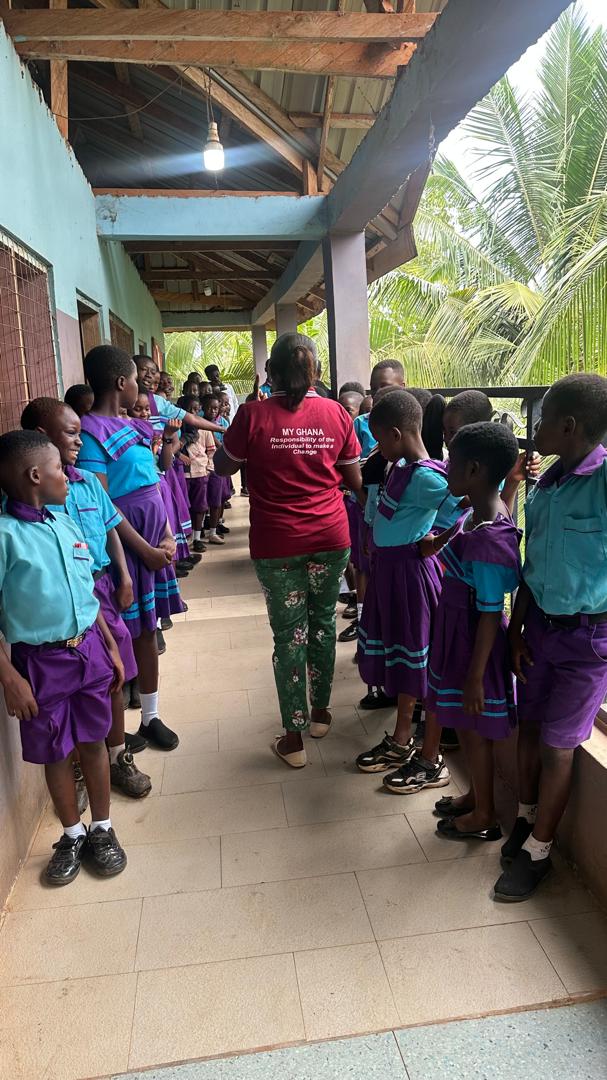
The Asutifi South District Directorate of the National Commission for Civic Education (NCCE) successfully commemorated the 2026 Citizenship Week Celebration by engaging pupils in twenty-four (24) basic schools across Hwidiem and Amanfrom from 2nd to 10th June 2026.
The week-long educational outreach formed part of NCCE’s annual initiative to nurture civic-minded young citizens and equip them with the knowledge and values needed to contribute positively to national development.
Held under the sub-theme, *“Growing Up Digital: The Ghanaian Child Upholding the Constitution Online,”* the programme provided pupils with practical lessons on responsible digital citizenship and the importance of upholding constitutional values both online and offline.
During the engagements, resource persons educated pupils on their rights and responsibilities as young citizens in an increasingly digital world. They explained that the provisions and principles of the 1992 Constitution of Ghana remain applicable in the digital space and should guide the behaviour of all citizens, including children and young people.
The facilitators highlighted some of the major challenges associated with the use of digital technology, including cyberbullying, misinformation, digital fraud, hate speech, impersonation, and doxxing. Pupils were made aware of the potential consequences of engaging in such activities and were encouraged to use digital platforms responsibly.
The sessions emphasized that while the internet presents numerous opportunities for learning, communication, and innovation, it also requires users to exercise caution, discipline, and respect for the rights of others.
Resource persons advised the pupils to refrain from participating in online fraud, cyberbullying, and other forms of digital abuse. Instead, they encouraged them to take advantage of the educational and economic opportunities available through social media platforms, messaging applications, gaming platforms, websites, and email services.
The pupils were urged to use digital tools to improve their academic performance, conduct research, develop their talents, acquire new skills, and explore opportunities that can contribute to their personal growth and future careers.
Particular attention was also given to responsible online engagement. Pupils were advised to be mindful of the messages, videos, and content they like, share, comment on, or forward to others. They were reminded that every online action leaves a digital footprint and can have lasting consequences.
Additionally, they were encouraged to read online prompts and pop-up messages carefully before responding, as some may contain misleading information or fraudulent requests designed to exploit unsuspecting users.
The interactive engagements allowed pupils to ask questions and share their experiences with digital technology, creating an opportunity for practical discussions on how to navigate the online space safely and responsibly.
By the end of the programme, participants demonstrated a better understanding of digital citizenship, online safety, and their constitutional responsibilities as young Ghanaians.
A total of 1,709 pupils participated in the celebration, comprising 811 boys and 898 girls from the various schools visited.
The successful implementation of the Citizenship Week programme reaffirmed the Commission’s commitment to empowering young people with the knowledge, values, and skills needed to become responsible digital citizens and active contributors to Ghana’s democratic development.
_
Follow us on our social media pages for more stories and posts from the NCCE.

https://www.instagram.com/nccegh/

https://www.facebook.com/nccegh/
Leave a comment