As part of activities commemorating the 2026 Citizenship Week Celebrations, the Ada East District Directorate of the National Commission for Civic Education (NCCE) intensified its public education campaign on responsible digital citizenship through outreach programmes in selected basic schools within the district.
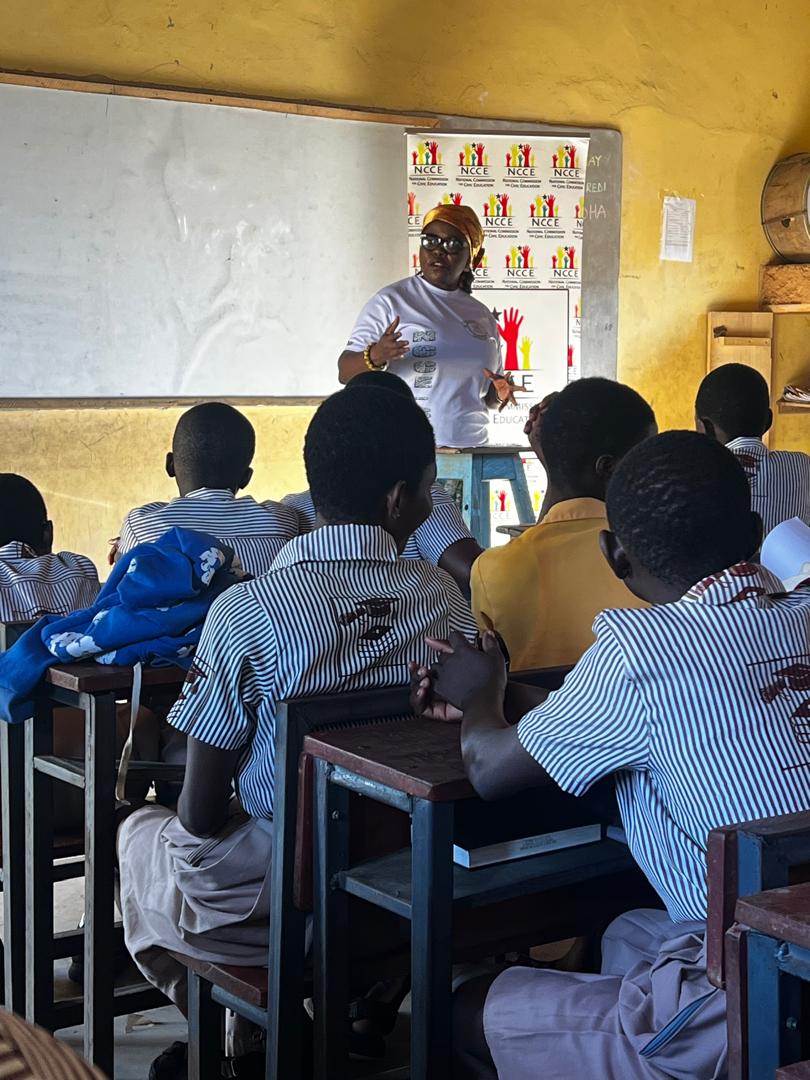
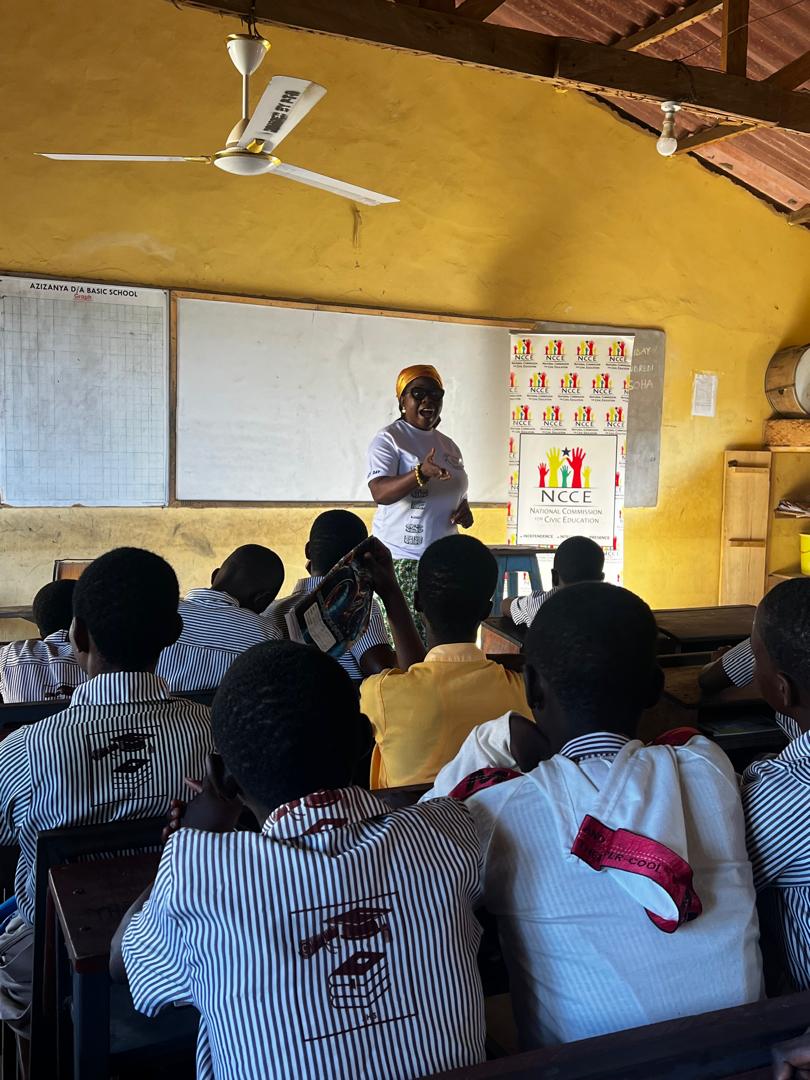
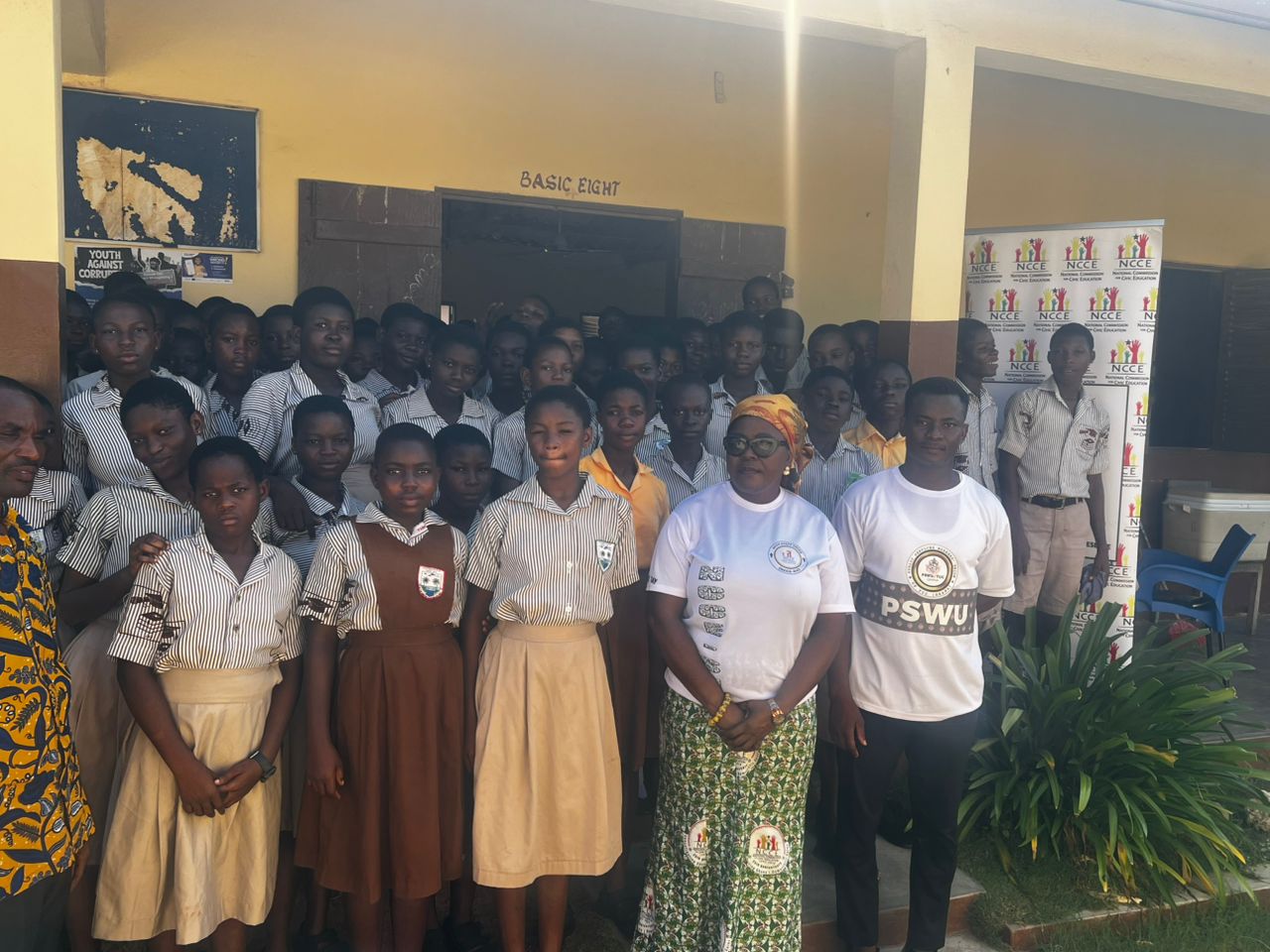
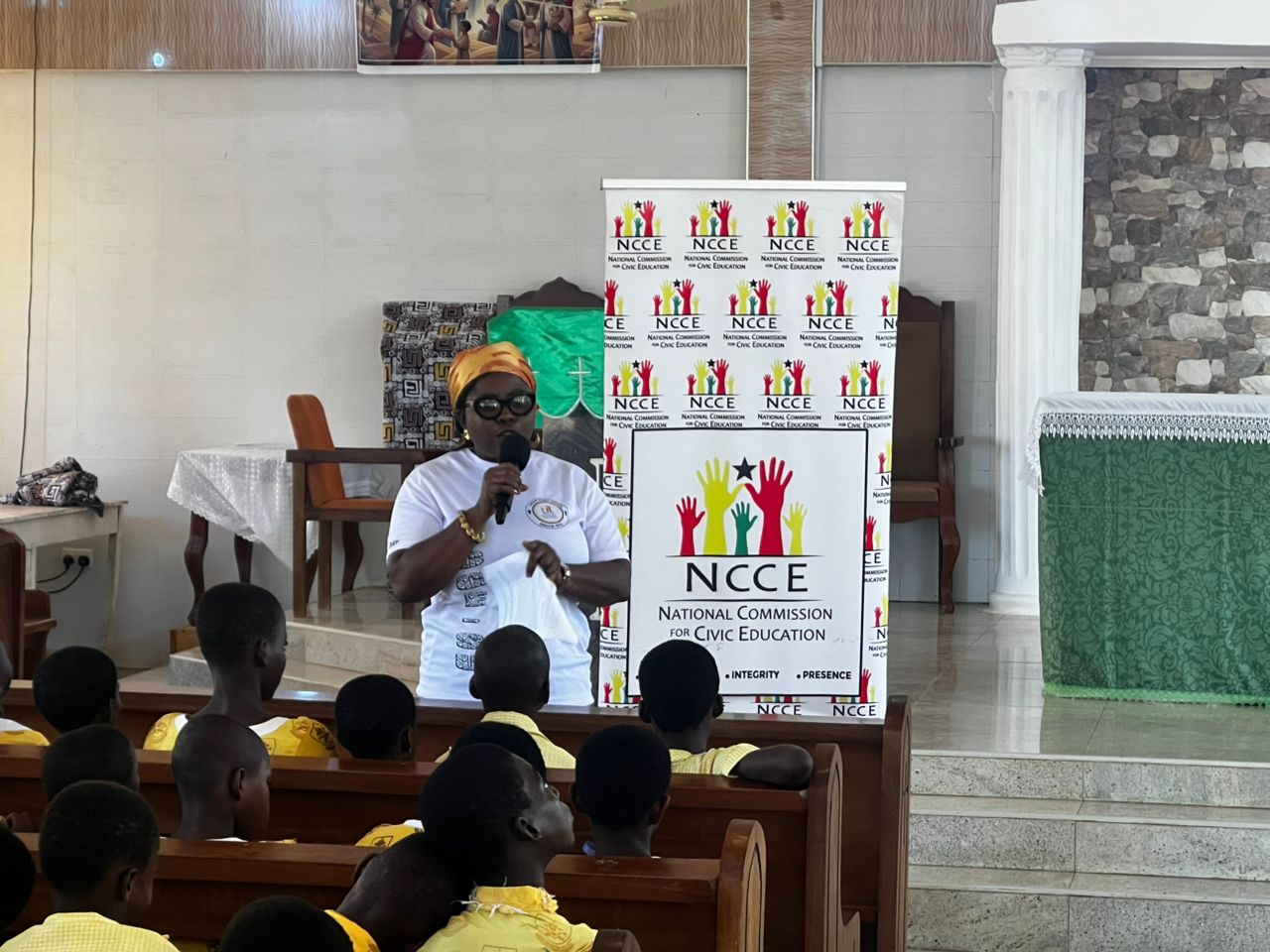
On 10th June 2026, the Directorate engaged pupils of R/C Basic School, Ada Foah, and Azizanya D/A Basic School in separate educational sessions aimed at equipping young learners with the knowledge and skills needed to navigate the digital space safely and responsibly.
The engagements formed part of the Commission's efforts to promote the Citizenship Week theme, “Upholding Our Constitution in the Digital Age: Our Collective Responsibility,” and the sub-theme, “Growing Up Digital: The Ghanaian Child Upholding the Constitution Online.”
Addressing the pupils, NCCE officials emphasized the growing influence of digital technologies in the lives of children and the need for responsible online behavior. They explained that while the internet and social media platforms provide opportunities for learning, communication, and personal development, they also present risks that require caution and awareness.
At R/C Basic School, Ada Foah, pupils participated in interactive discussions on responsible digital citizenship, with particular focus on online safety, cyberbullying prevention, and the identification of misinformation. Learners were encouraged to think critically about the information they encounter online and to verify facts before sharing content with others.
The pupils were also educated on the dangers of cyberbullying and advised to treat others with respect and courtesy in all online interactions. They were encouraged to report incidents of bullying, harassment, or abuse to parents, teachers, or other trusted adults whenever they occur.
Similarly, at Azizanya D/A Basic School, learners were taken through discussions on responsible internet use, online safety practices, cyberbullying, and the dangers associated with misinformation and fake news. Facilitators stressed the importance of protecting personal information online and avoiding communication with strangers on digital platforms.
The sessions highlighted the need for children to use digital technologies in ways that promote learning, creativity, and positive social interaction while avoiding activities that could endanger their safety or violate the rights of others.
The interactive nature of the engagements allowed pupils to ask questions, share experiences, and gain practical knowledge on how to stay safe in the digital environment. Learners demonstrated enthusiasm and a growing understanding of their responsibilities as young digital citizens.
The outreach programmes successfully enhanced awareness among pupils on responsible digital citizenship and reinforced the importance of upholding constitutional values both online and offline. The engagements also contributed to NCCE's broader objective of empowering young people to become responsible, informed, and law-abiding citizens in the digital age.
_
Follow us on our social media pages for more stories and posts from the NCCE.

https://www.instagram.com/nccegh/

https://www.facebook.com/nccegh/
Leave a comment