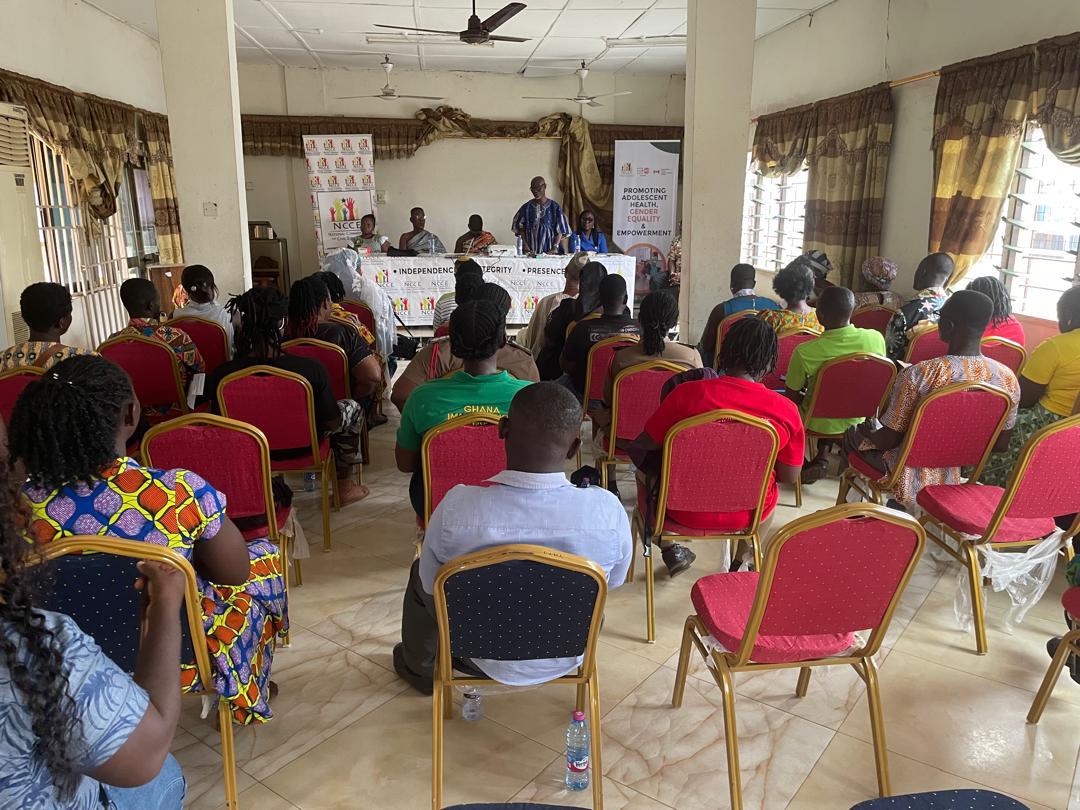
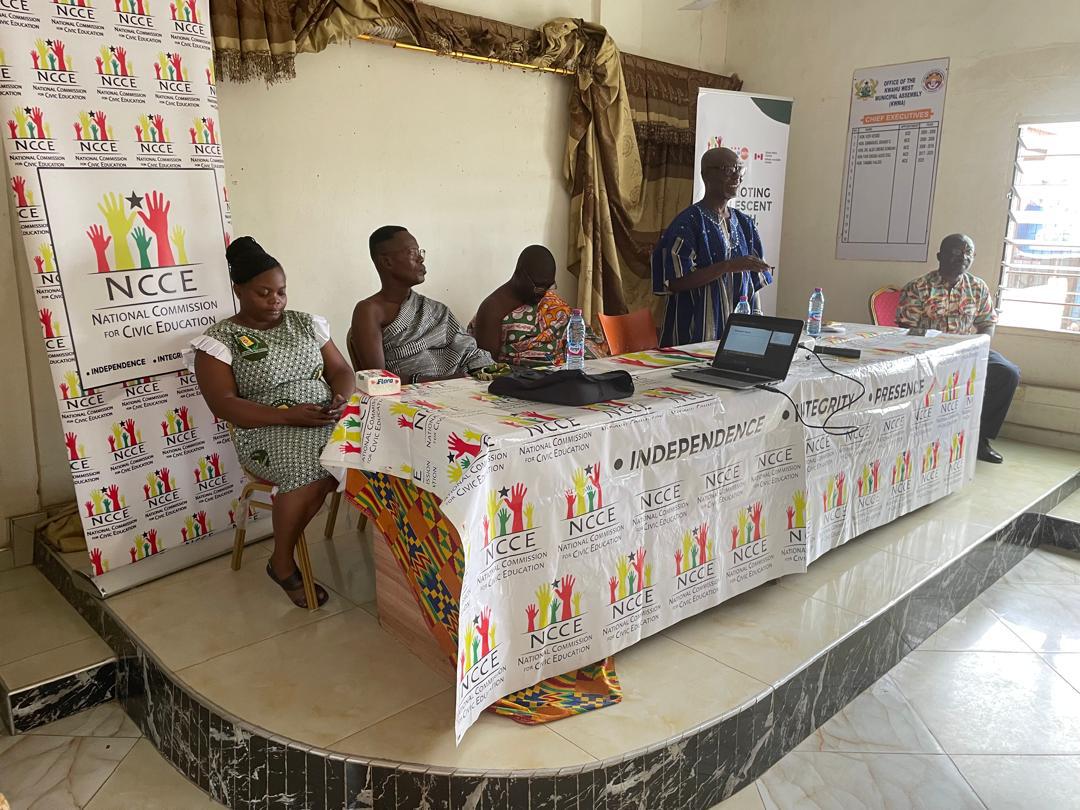
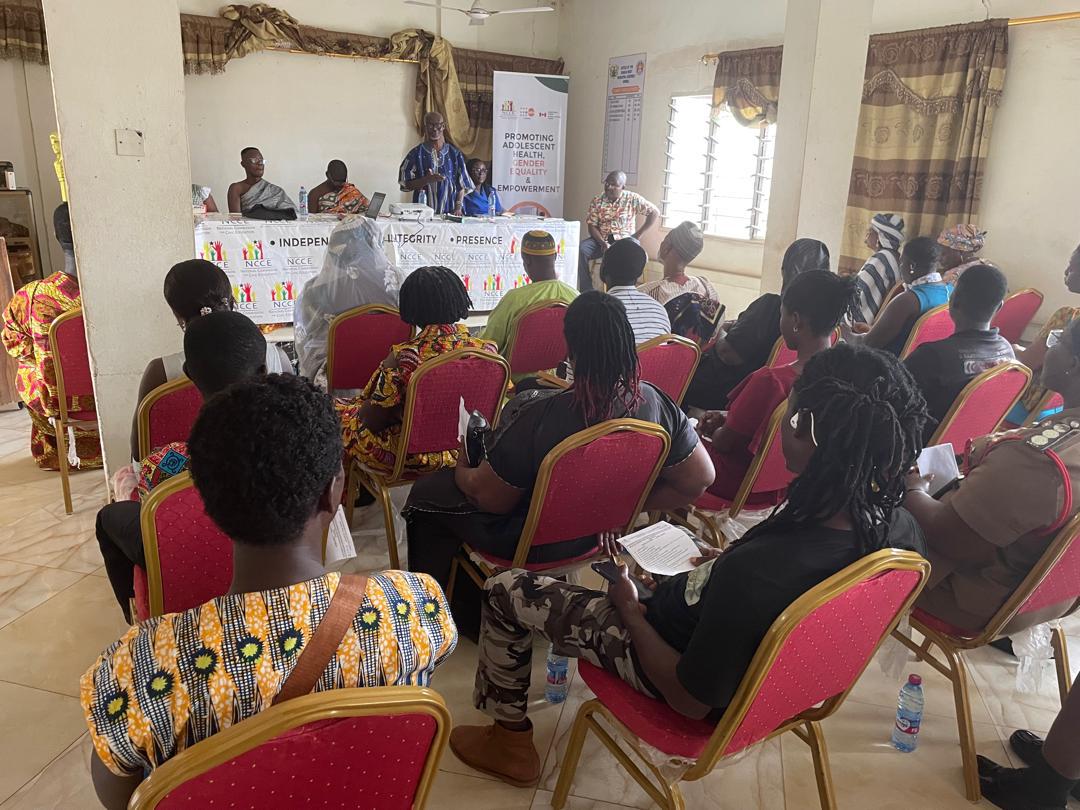
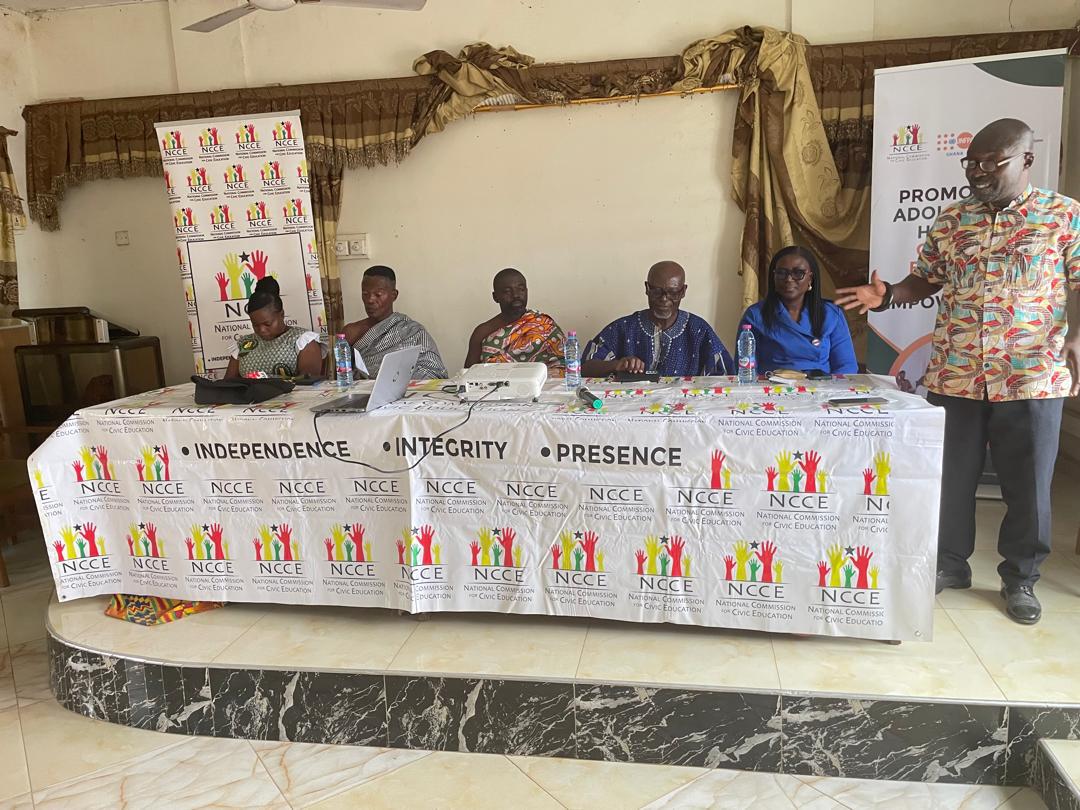
The National Commission for Civic Education (NCCE), in partnership with the United Nations Population Fund (UNFPA), has intensified efforts to promote adolescent reproductive health, gender equality, and the prevention of gender-based violence (GBV) in the Kwahu West Municipality.
Speaking at a stakeholder engagement held under the UNFPA Country Programme (2023–2027), Mr. Samuel Akuamoah, Deputy Chairman in charge of Operations at the NCCE, noted that the platform was designed to foster dialogue, strengthen collaboration, and drive coordinated action to address adolescent pregnancy, access to family planning, and harmful social norms affecting young people, particularly girls and underserved youth.
The event was organised under the theme “Promoting Adolescent Reproductive Health, Gender-Based Equality and Empowerment Through Civic Engagement.”
Municipal Director of the NCCE, Elder Francis Nana Owusu Adjei, called for stronger stakeholder partnerships in advancing adolescent reproductive health. He emphasized that empowering young people with accurate information is essential for promoting gender equality, improving health outcomes, and fostering social cohesion.
Citing alarming global trends, he referenced WHO data showing that complications from pregnancy and childbirth remain the leading cause of death among girls aged 15–19. Each year, an estimated 21 million girls in low- and middle-income countries become pregnant, with 12 million giving birth.
A representative from the Ghana Health Service highlighted that adolescence (ages 10–19) is a critical stage of physical, emotional, and social development, stressing that family planning is about equipping young people with knowledge, not encouraging sexual activity. She revealed district and regional trends, including:
- 7,000 adolescent abortions recorded nationwide last year
- 46 adolescent maternal deaths in the Eastern Region in 2024
- 4,000 total adolescent pregnancies in the Eastern Region, with 400 cases recorded in Kwahu West alone
ASP Beatrice Enyonam of DOVVSU, Nkawkaw, educated participants on GBV, describing it as physical, sexual, psychological, or economic harm rooted in gender inequality and harmful social norms. She called for intensified education through churches, mosques, and community information centres, urging parents to take responsibility for meeting the needs of their children.
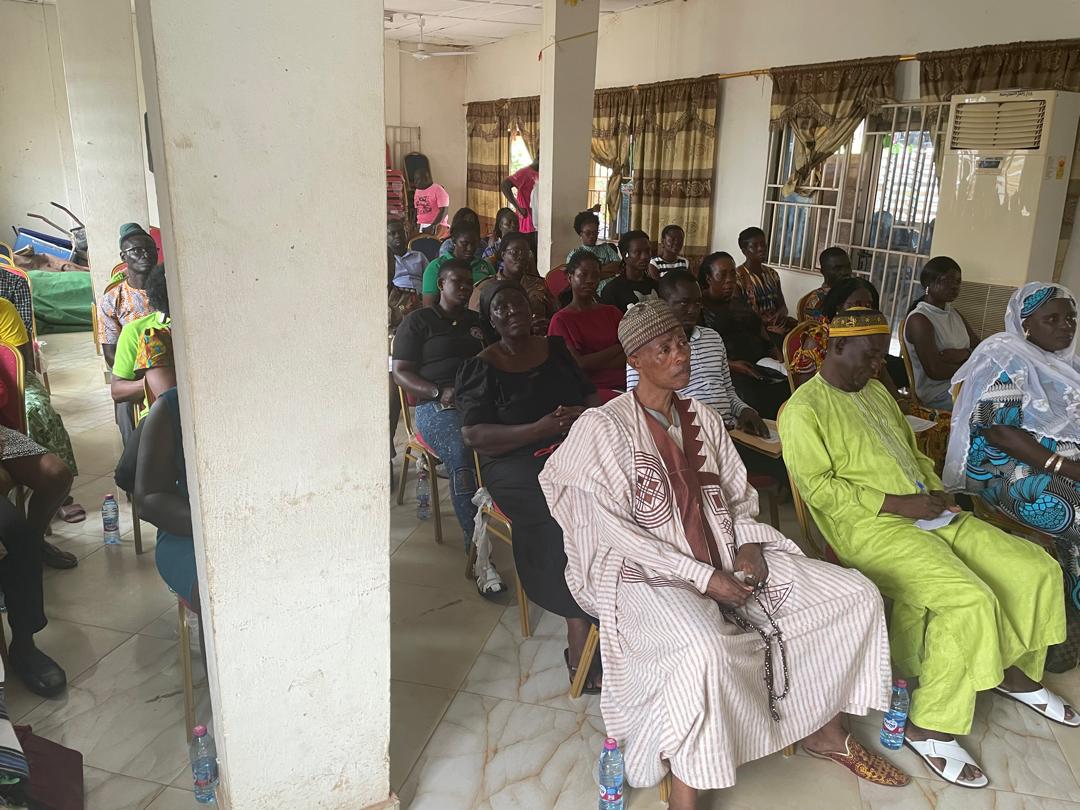
The engagement brought together stakeholders from local government, traditional and religious institutions, security agencies, health services, civil society groups, youth clubs, NGOs, and the media. All participants reaffirmed their commitment to promoting adolescent wellbeing and advancing gender-responsive interventions in Kwahu West.
The programme was organised by the NCCE in partnership with UNFPA and funding from Global Affairs Canada under the Empowering Adolescents Girls programme.
_
Follow us on our social media pages for more stories and posts from the NCCE.

https://www.instagram.com/nccegh/

https://www.facebook.com/nccegh/
Leave a comment