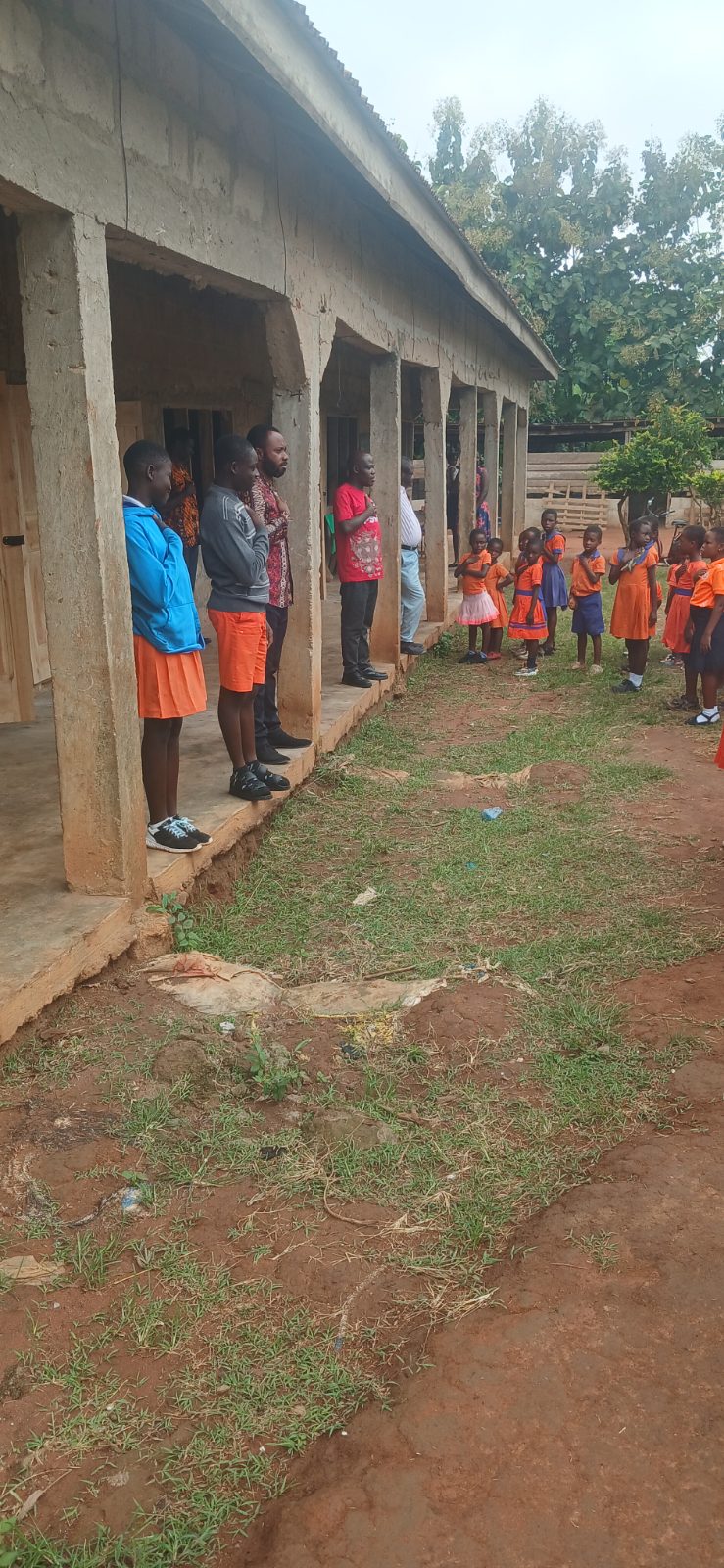
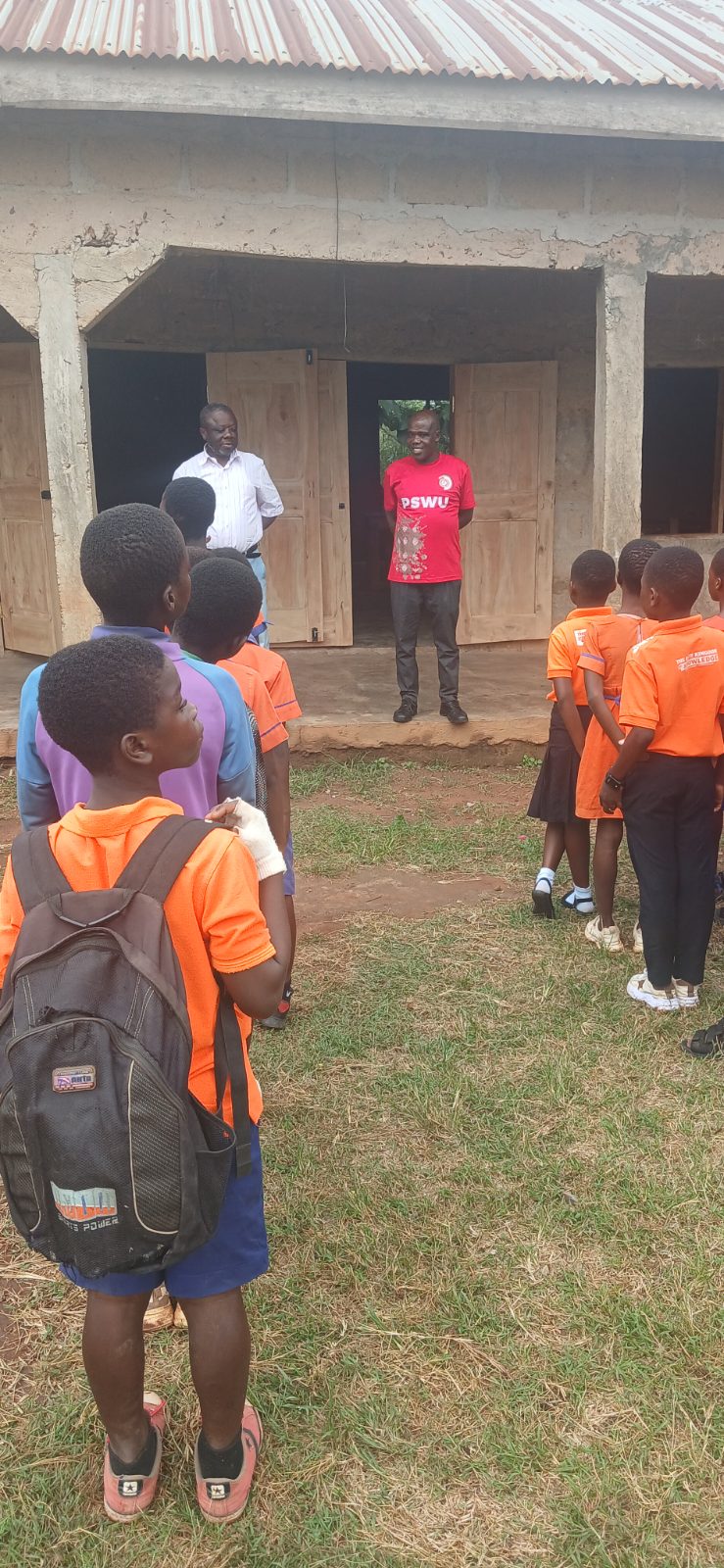
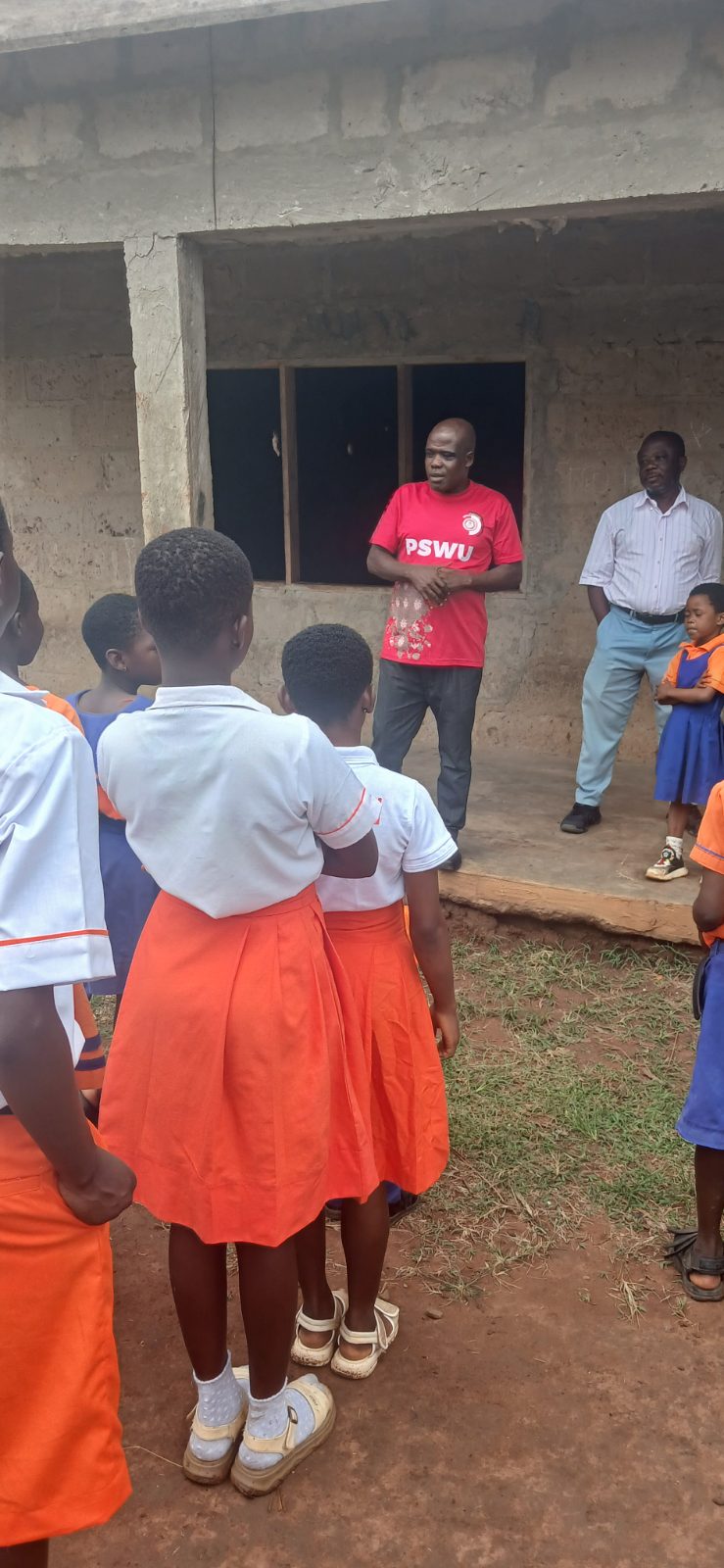
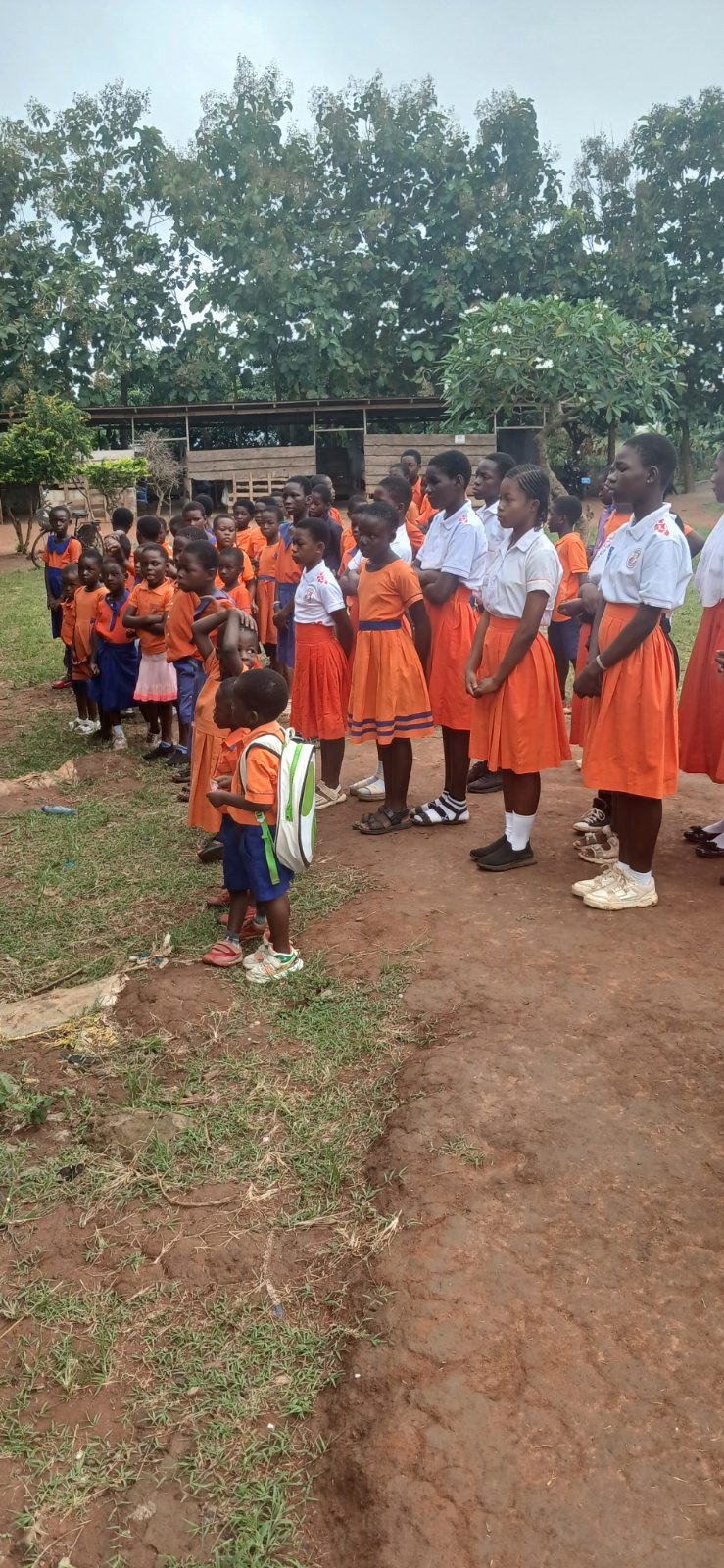
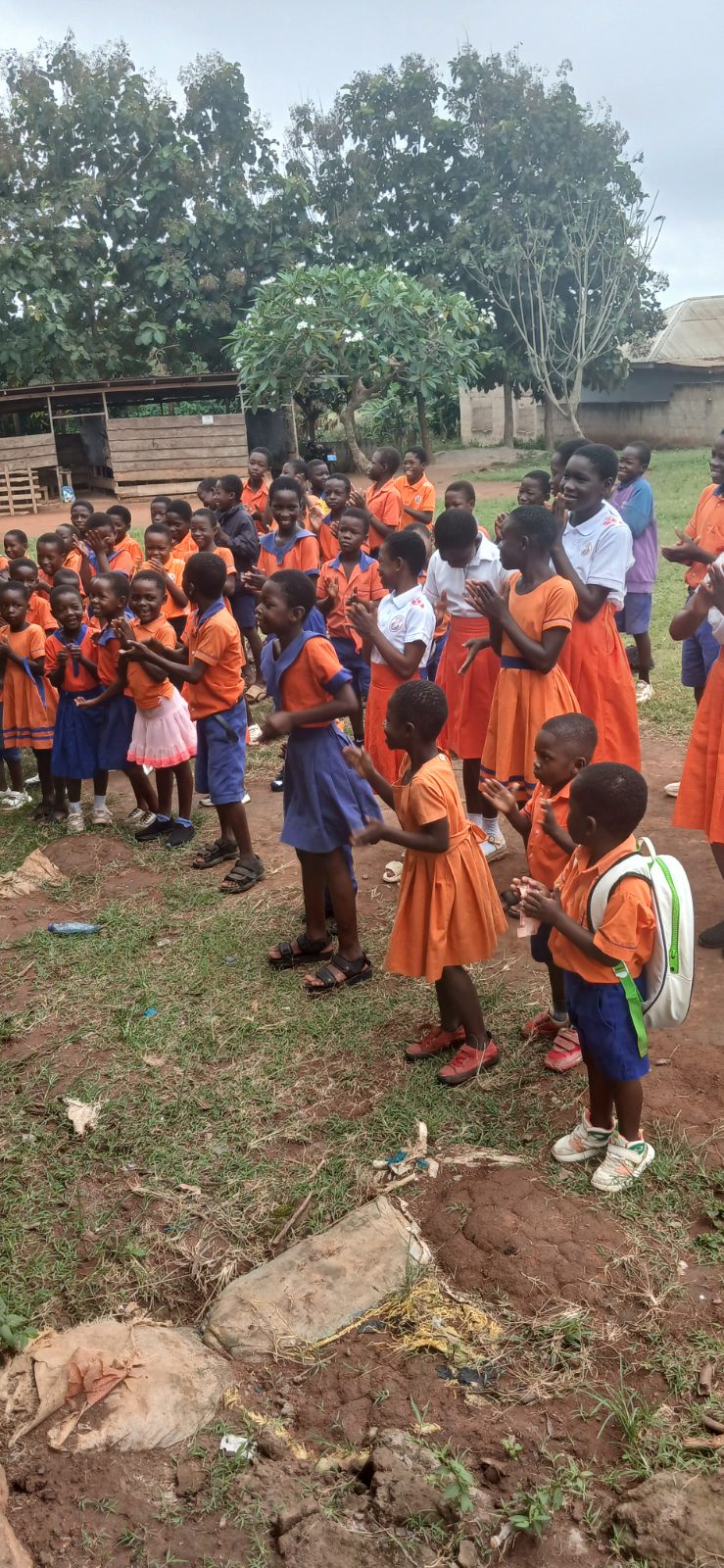
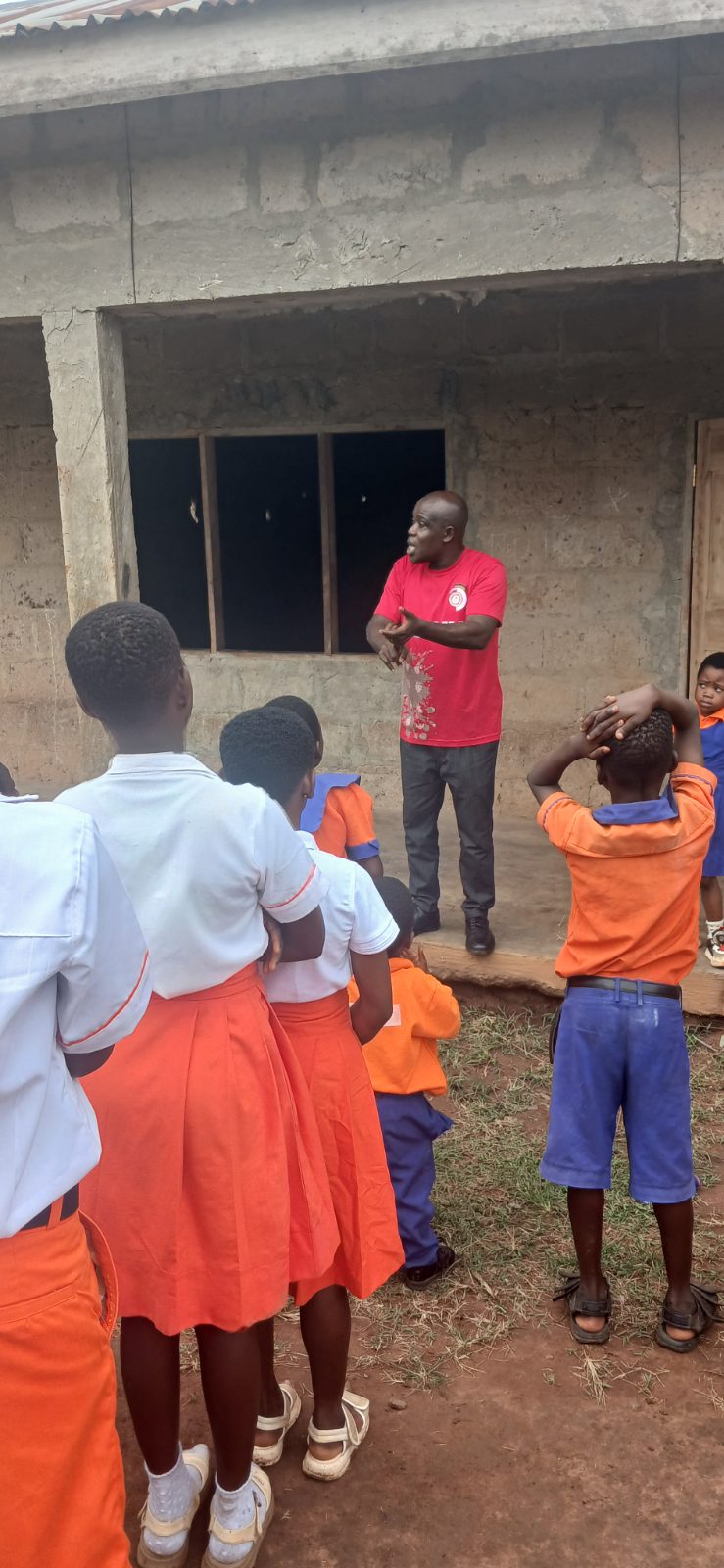
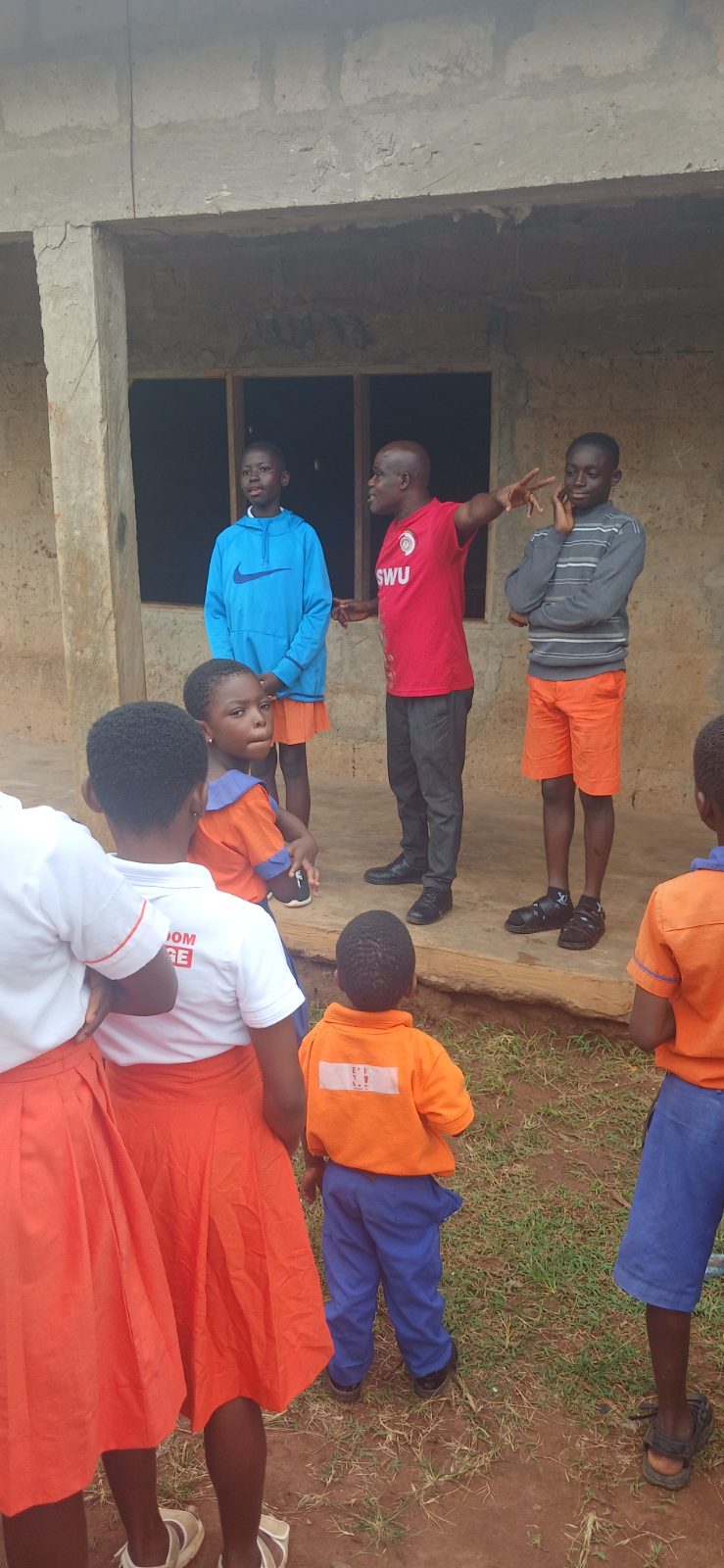
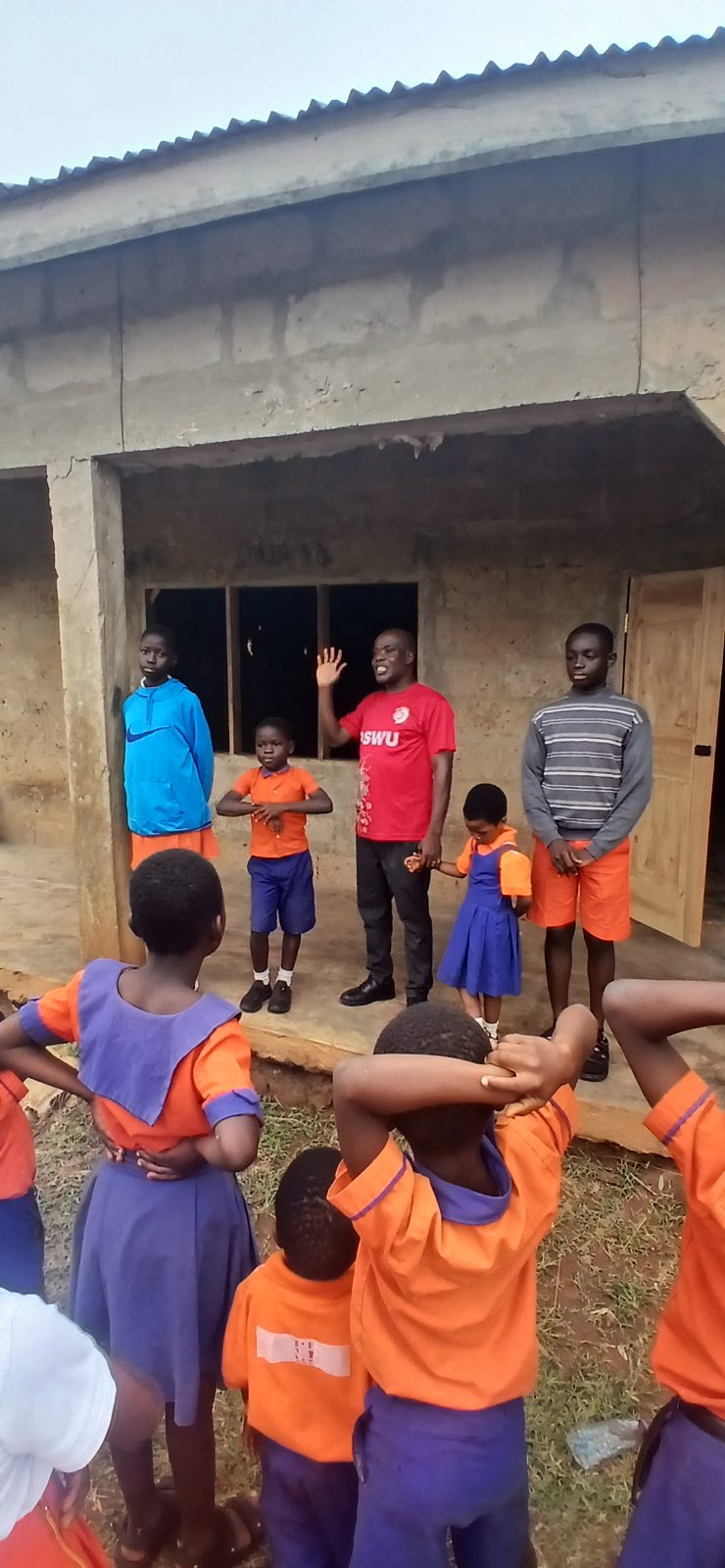
A message about responsible citizenship, respect for national values and safe internet use took centre stage when the Sekyere Central District Directorate of the National Commission for Civic Education (NCCE) engaged pupils and students of Oxford Brooks International School at Abonkosu, a suburb of Nsuta.
The educational engagement introduced the learners to the duties of citizens under Article 41, Chapter Six of Ghana’s 1992 Constitution, encouraging them to recognise that national development depends not only on the actions of leaders but also on the everyday choices of individuals.
Leading the session, the Sekyere Central District Director of NCCE, Mr. Gordon Yeboah Opoku, explained the importance of understanding and fulfilling civic responsibilities from an early age. He encouraged the pupils and students to develop respect for the law, demonstrate good behaviour and cultivate values that would guide them as responsible members of society.
A key part of the discussion focused on the duty to defend and uphold the Constitution. Mr. Opoku also encouraged the learners to live peacefully with others, respect national symbols, including the national anthem, and appreciate patriotic songs as expressions of national identity and unity.
He drew their attention to the need to protect public property and participate in communal activities. The learners were further educated on environmental protection, the responsibility to pay taxes when legally required and the importance of undertaking national service when eligible.
Beyond constitutional obligations, the NCCE Director addressed personal safety and the responsibility of citizens to help protect their communities. He cautioned the learners to remain alert to suspicious activities and to report their concerns to appropriate authorities, including the police and other law enforcement agencies.
Reinforcing this message, he introduced the familiar public safety reminder, "If you see something, say something," highlighting the value of speaking up rather than ignoring behaviour that may threaten the safety of others.
Digital responsibility was another important aspect of the engagement. Mr. Opoku advised the pupils and students to exercise caution when using the internet and to think carefully before sharing information or posting content online.
He explained that material published on digital platforms can remain accessible and may have consequences long after it is shared. The message encouraged the learners to consider how their online conduct could affect their reputations and future opportunities.
The discussion reinforced the idea that civic responsibility is not reserved for adulthood. Respecting others, caring for shared spaces and communicating responsibly are habits learners can practise at school, at home and in their communities.
The educational outreach brought together constitutional awareness, public safety and digital citizenship in a manner relevant to young people. By focusing on practical responsibilities alongside constitutional provisions, the Sekyere Central NCCE Directorate sought to help the learners appreciate their roles in building peaceful, disciplined and responsible communities.


_
Follow us on our social media pages for more stories and posts from the NCCE.

https://www.instagram.com/nccegh/

https://www.facebook.com/nccegh/
https://www.youtube.com/channel/UCwajFJmmlmzRf1OMM.
Leave a comment