Concerns over the protection of individuals who report corruption took centre stage as women in the Sagnarigu Municipality renewed their commitment to promoting accountability, transparency and respect for the rule of law.
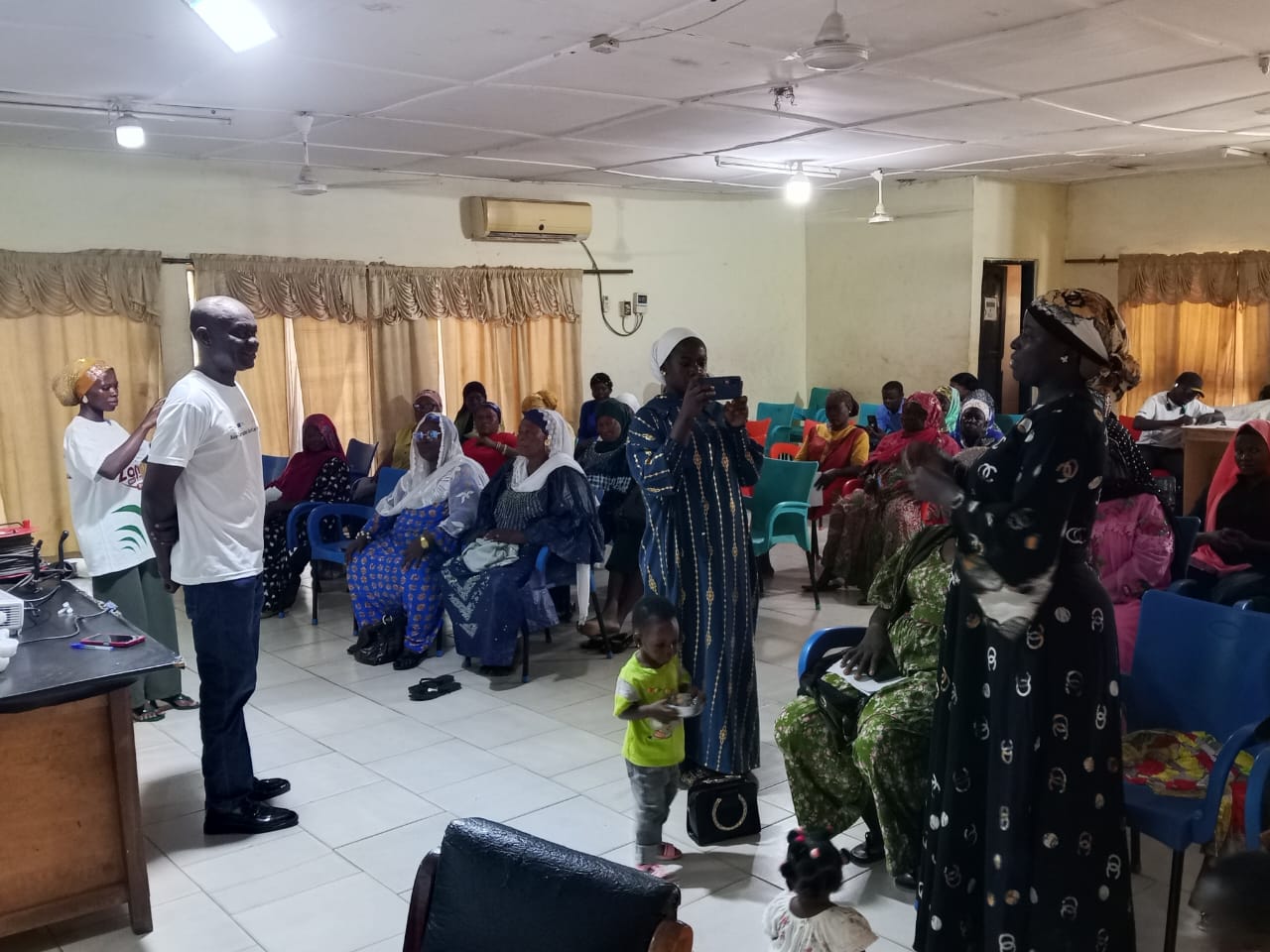
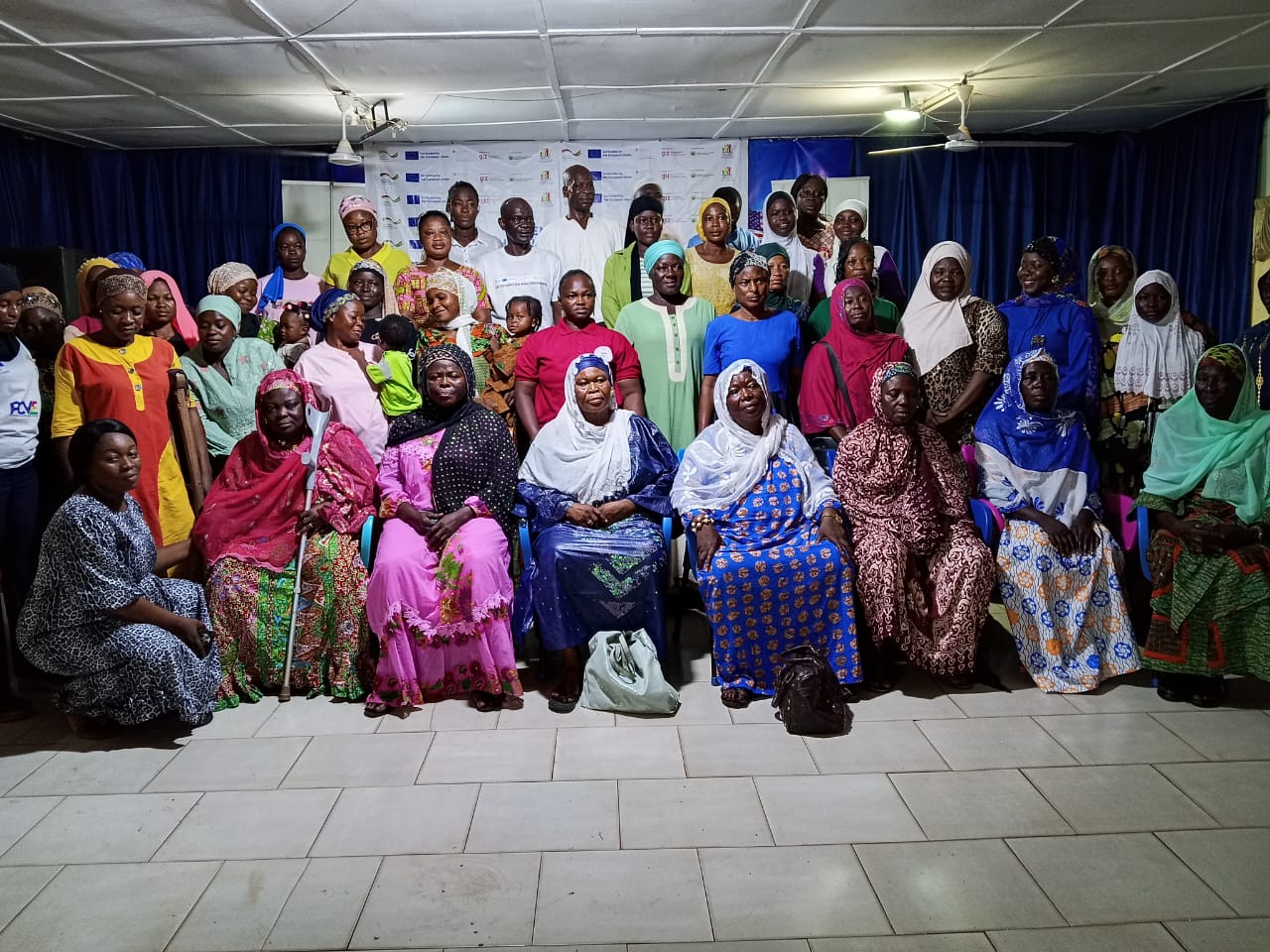
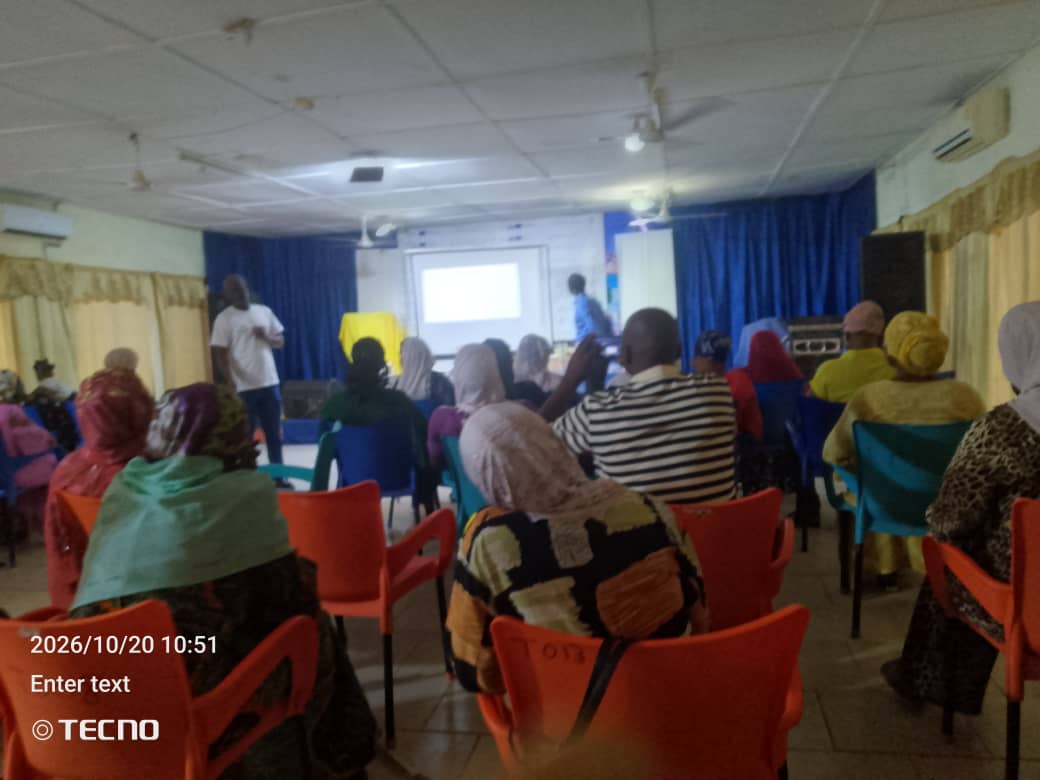
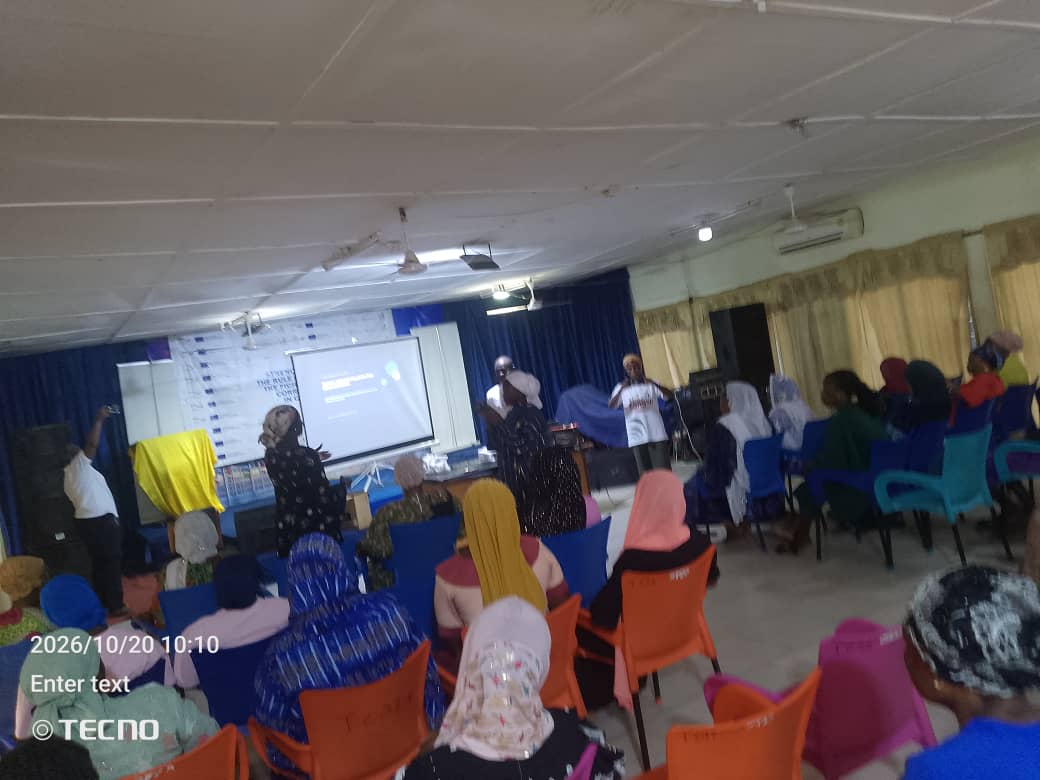
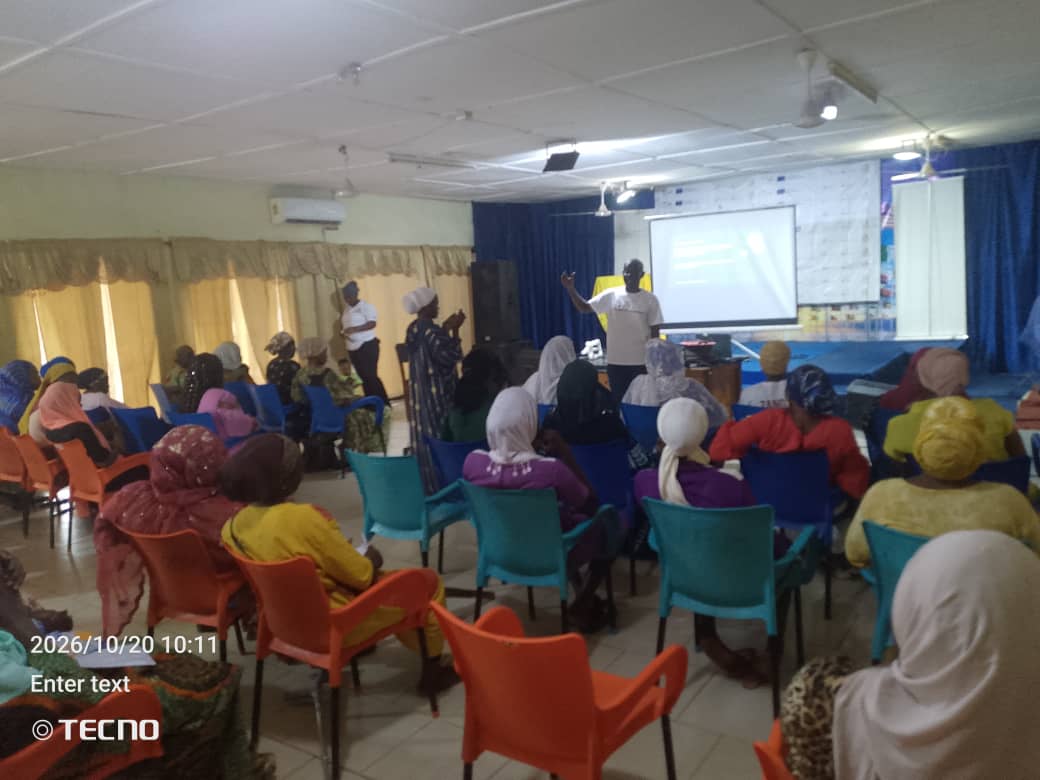
The Sagnarigu Municipal Office of the National Commission for Civic Education (NCCE), in collaboration with the Commission on Human Rights and Administrative Justice (CHRAJ), organised a review meeting at the Disability Centre to strengthen women's understanding of corruption reporting procedures and their responsibilities in combating corrupt practices.
The engagement brought together women who had participated in an earlier sensitisation programme, providing an opportunity to reinforce previous lessons, assess their understanding and address concerns that could discourage citizens from reporting suspected corruption.
Leading the discussion, the Sagnarigu Municipal Director of NCCE, Mr. Abdulai Soale, emphasised the importance of active public participation in the fight against corruption. He explained that corrupt practices undermine development efforts and deprive communities of resources needed to improve living conditions.
Mr. Soale encouraged participants to report suspected corruption and related offences to the appropriate institutions rather than remain silent when they encounter wrongdoing. During the interactive discussion, participants identified the Economic and Organised Crime Office (EOCO), Office of the Special Prosecutor (OSP), CHRAJ and the Ghana Police Service as institutions responsible for addressing corruption and related offences.
Providing further insights, the CHRAJ Municipal Investigator, Mr. Abdul Wahab Abdul Wasiu, educated participants on the various channels available for reporting suspected corruption. These included reporting in person, using online platforms, whistleblowing procedures and toll-free telephone services.
He also highlighted barriers that could prevent individuals from reporting corrupt practices, including disability-related accessibility challenges, stigmatisation, fear of legal action and name-calling. His presentation drew attention to the importance of addressing these concerns to encourage greater public participation in accountability processes.
The Northern Regional Director of NCCE, Alhaji Aliyu Mohammed, who monitored the engagement, urged participants to translate the knowledge acquired into practical action. He encouraged them to make use of the appropriate institutions whenever they encounter suspected corruption in their communities.
Participants contributed actively to the discussions, raising concerns about the treatment of individuals who report corruption. They appealed to anti-corruption institutions to safeguard the identities of complainants and ensure that reported cases receive appropriate attention and follow-up.
They further stressed the need for effective investigations and appropriate sanctions against offenders, arguing that visible action on reported cases would strengthen public confidence in anti-corruption institutions.
The engagement concluded with an interactive question-and-answer session, allowing participants to seek clarification on reporting procedures and the challenges associated with exposing corruption.
The review meeting reinforced the importance of sustained civic education, institutional responsiveness, and women's participation in promoting accountability and respect for the rule of law within the Sagnarigu Municipality.
_
Follow us on our social media pages for more stories and posts from the NCCE.

https://www.instagram.com/nccegh/

https://www.facebook.com/nccegh/
https://www.youtube.com/channel/UCwajFJmmlmzRf1OMM.
https://www.tiktok.com/@nccegh
https://www.linkedin.com/company/national-commi
Leave a comment