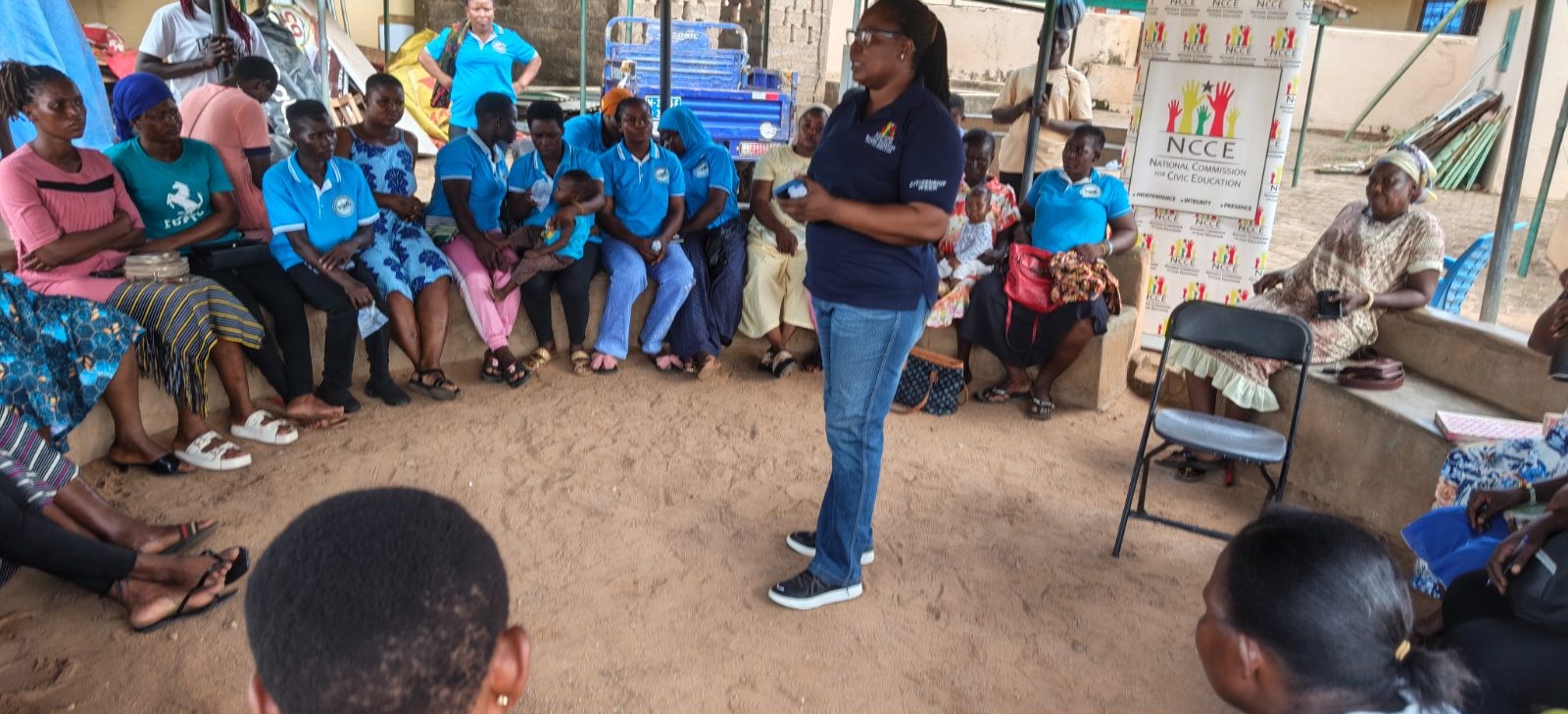
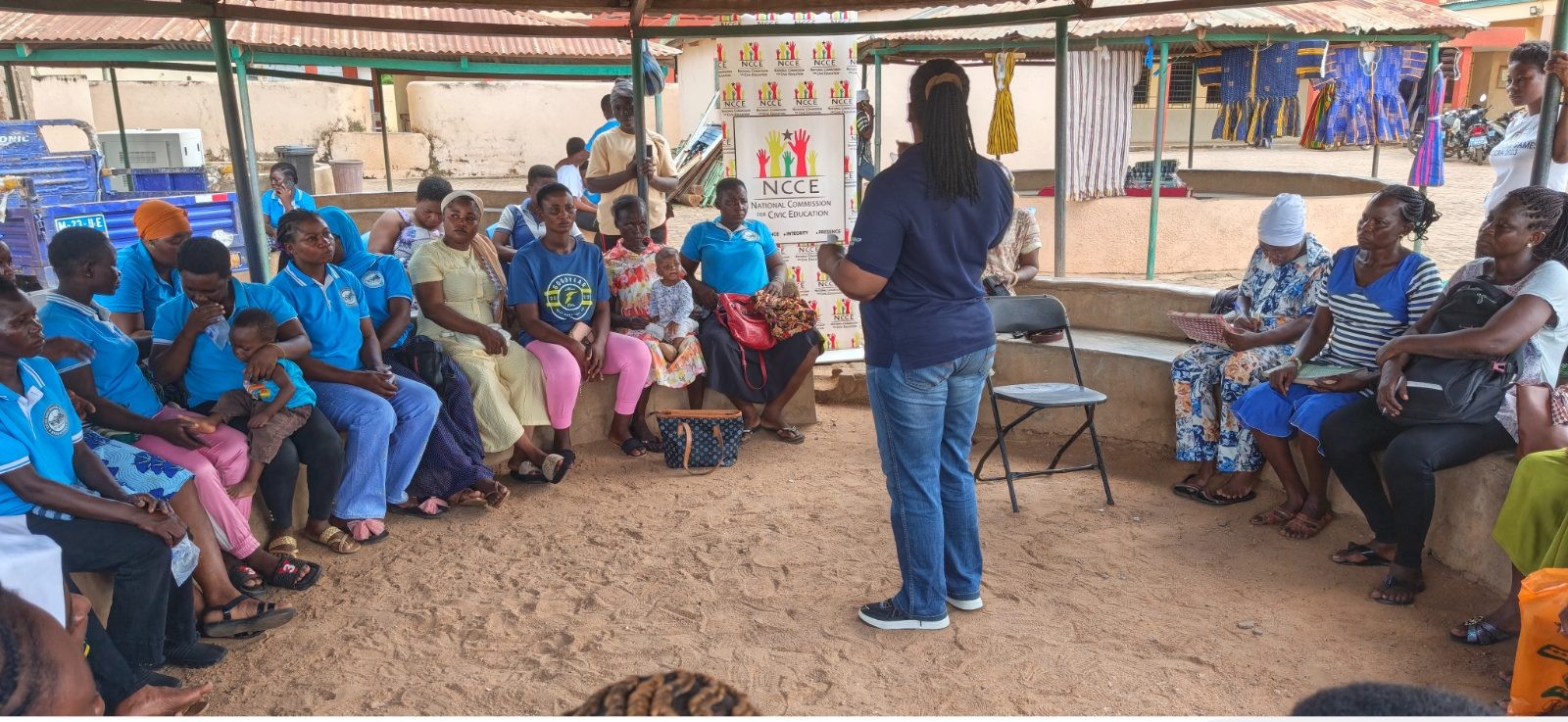
The Upper East Regional Office of the National Commission for Civic Education (NCCE) has sensitized members of the Bolgatanga Textiles Hand Weavers Association on good sanitation practices and responsible use of digital platforms.
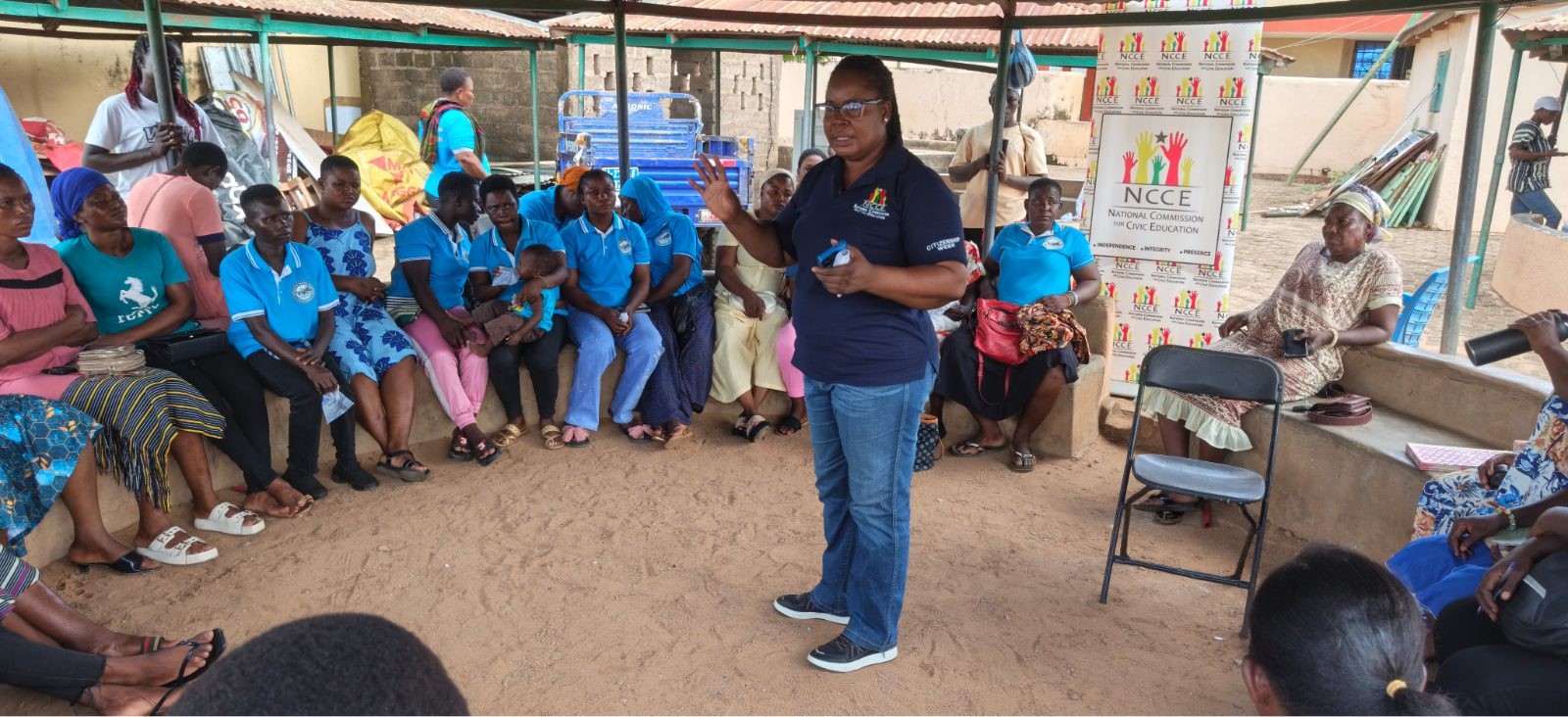
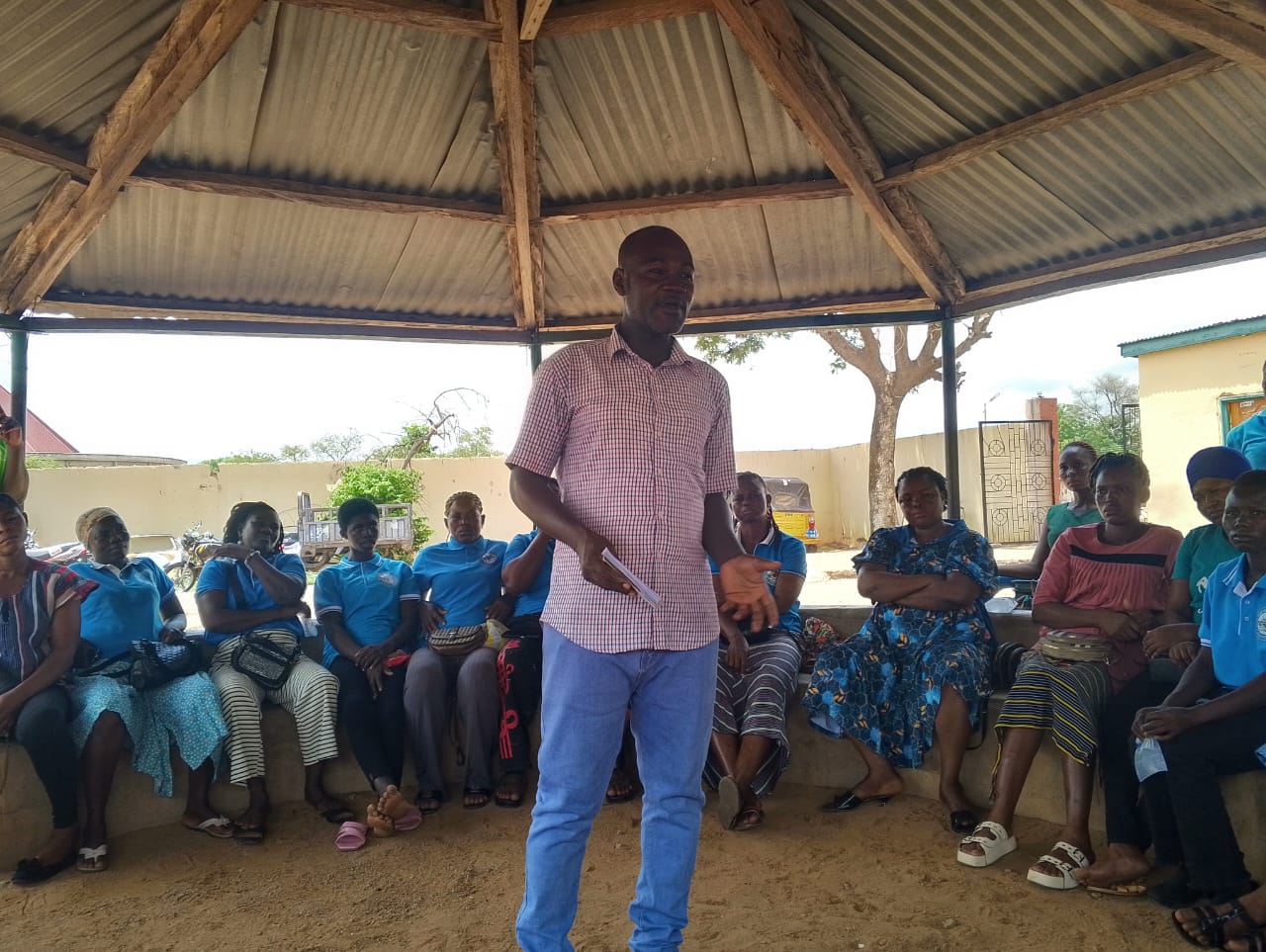
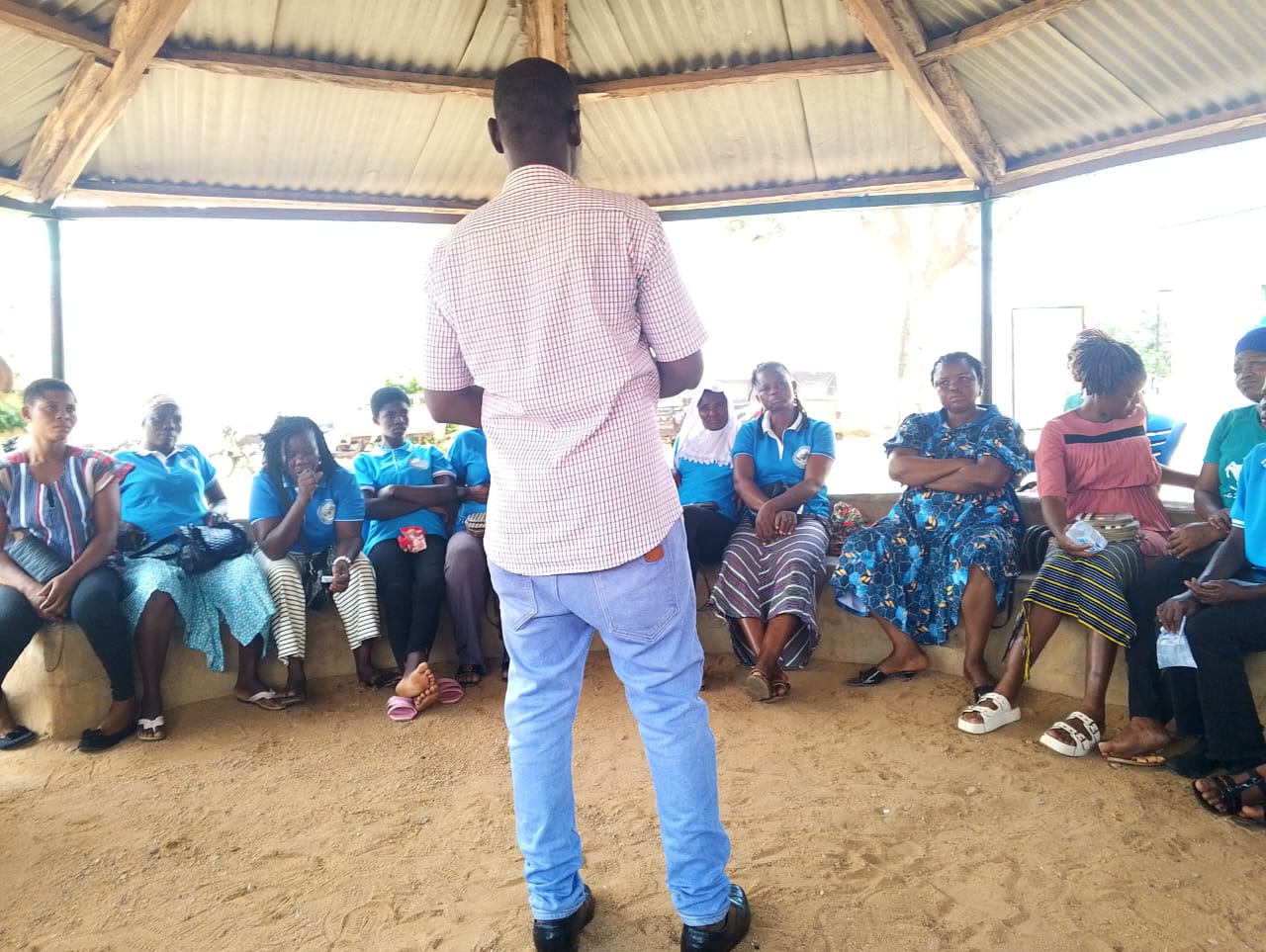
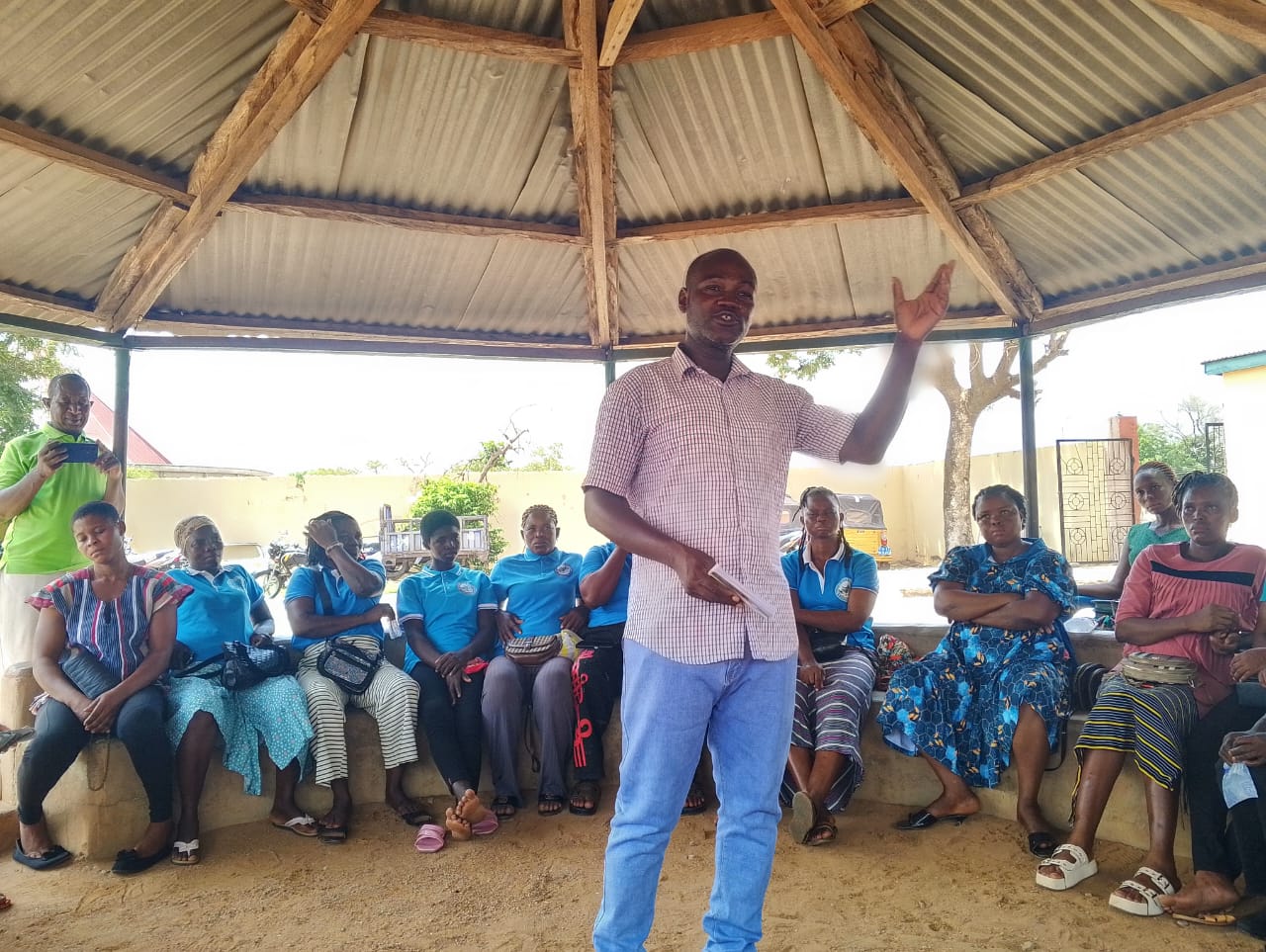
The engagement, held on Wednesday, 10th June 2026, at the Bolgatanga Catholic Social Centre, formed part of the Commission’s second-quarter public education activities. A total of 63 women participated in the programme, led by the Association’s Chairperson, Madam Lamisi Amoah. Officials from the NCCE present included the Deputy Regional Director, Mr. Akugri A. Augustine; the Regional Internal Auditor, Mr. Christopher Adogma; and the Regional Head of Programmes, Madam Bridget Akpanaba.
Leading the discussion, Madam Bridget Akpanaba cautioned the women to be responsible in their use of digital platforms such as Facebook, TikTok, and X. She explained that while social media provides opportunities for communication, business promotion, learning, and social interaction, irresponsible use can expose users to misinformation, cyberbullying, online scams, inappropriate content, harassment, and privacy risks.
Madam Akpanaba advised participants to be careful about the messages, pictures, videos, and comments they share online. She noted that a single post or forwarded message can influence public opinion, damage a person’s reputation, mislead others, or trigger unnecessary conflict. She therefore encouraged the women to verify information before sharing and to avoid forwarding messages whose source, truthfulness, or intention they cannot confirm.
Contributing to the discussion, the Deputy Regional Director, Mr. Akugri A. Augustine, urged the participants to protect their privacy and personal dignity in the digital space. He cautioned against sharing intimate or inappropriate images with others, including people they may trust, explaining that such materials can later be used for blackmail, extortion, public embarrassment, or other forms of exploitation.
He further advised the women to ask basic but important questions before posting or sharing any information online. These include whether the information is true, respectful, helpful, necessary, and whether it could harm, mislead, or embarrass another person. He emphasized that responsible digital behaviour requires discipline, caution, and respect for the rights of others.
Mr. Augustine also reminded the participants of the Cybersecurity Act, 2020 (Act 1038), explaining that the law provides a framework for protecting individuals and institutions from cyber threats, online harassment, cyber fraud, and other forms of digital abuse. He encouraged the women to be vigilant when using mobile phones, social media, and online financial platforms, especially when dealing with unknown persons or suspicious messages.
On sanitation, the NCCE officials encouraged the women to keep their homes, workplaces, markets, and community surroundings clean. They explained that Article 41(k) of the 1992 Constitution places a duty on every citizen to protect and safeguard the environment, meaning environmental protection is not the responsibility of government institutions alone.
Participants were urged to practise proper waste management by using dustbins, avoiding littering, cleaning their surroundings regularly, and separating waste where possible. They were also encouraged to reduce plastic pollution by avoiding unnecessary plastic use, reusing plastic items when appropriate, and supporting community efforts aimed at keeping the environment clean.
The engagement ended with a call on the women to become ambassadors of responsible digital conduct and environmental cleanliness within their homes, workplaces, and communities. The NCCE emphasized that safe online behaviour and good sanitation practices are essential to personal well-being, community development, and responsible citizenship.
_
Follow us on our social media pages for more stories and posts from the NCCE.

https://www.instagram.com/nccegh/

https://www.facebook.com/nccegh/
Leave a comment