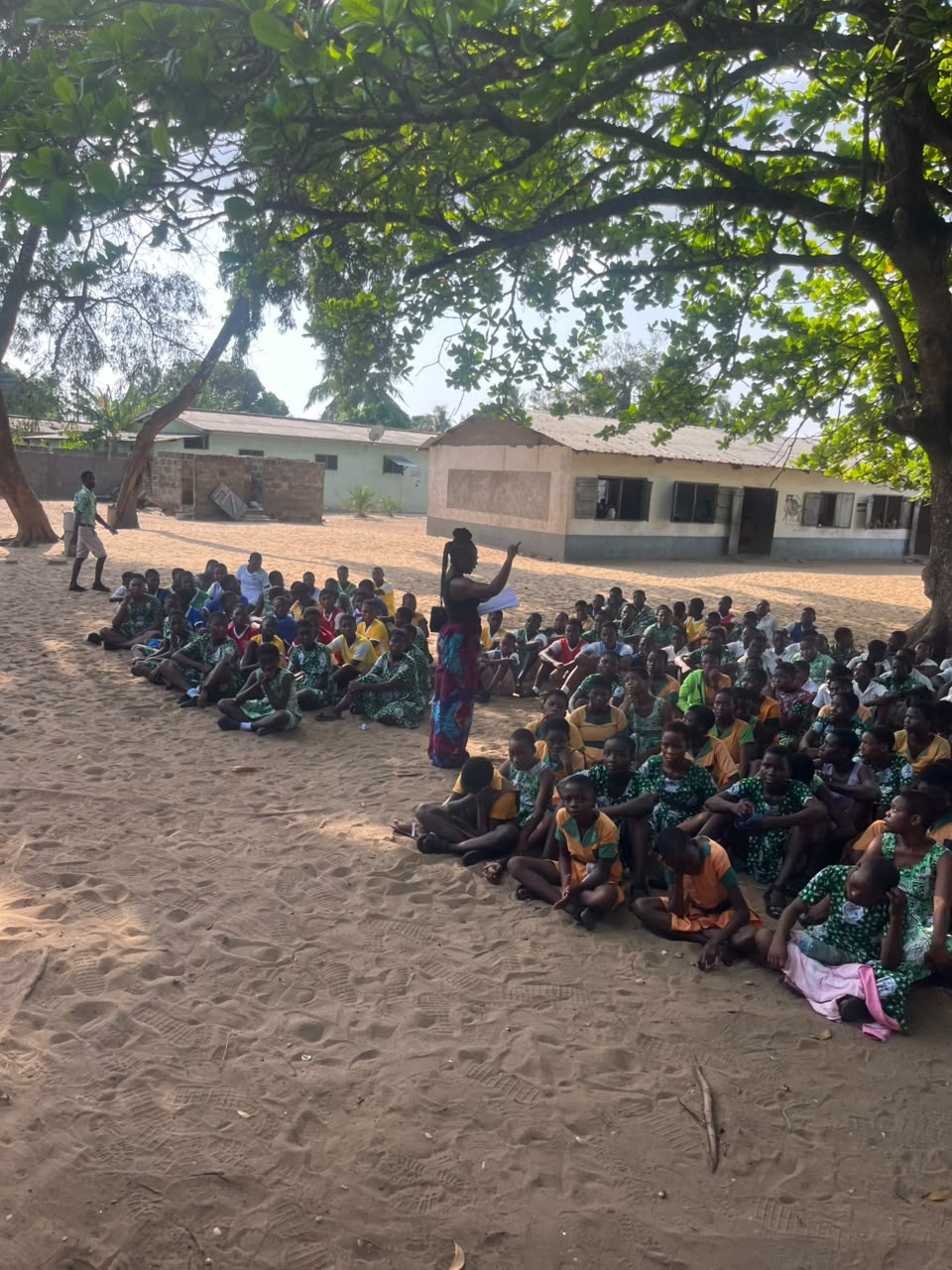
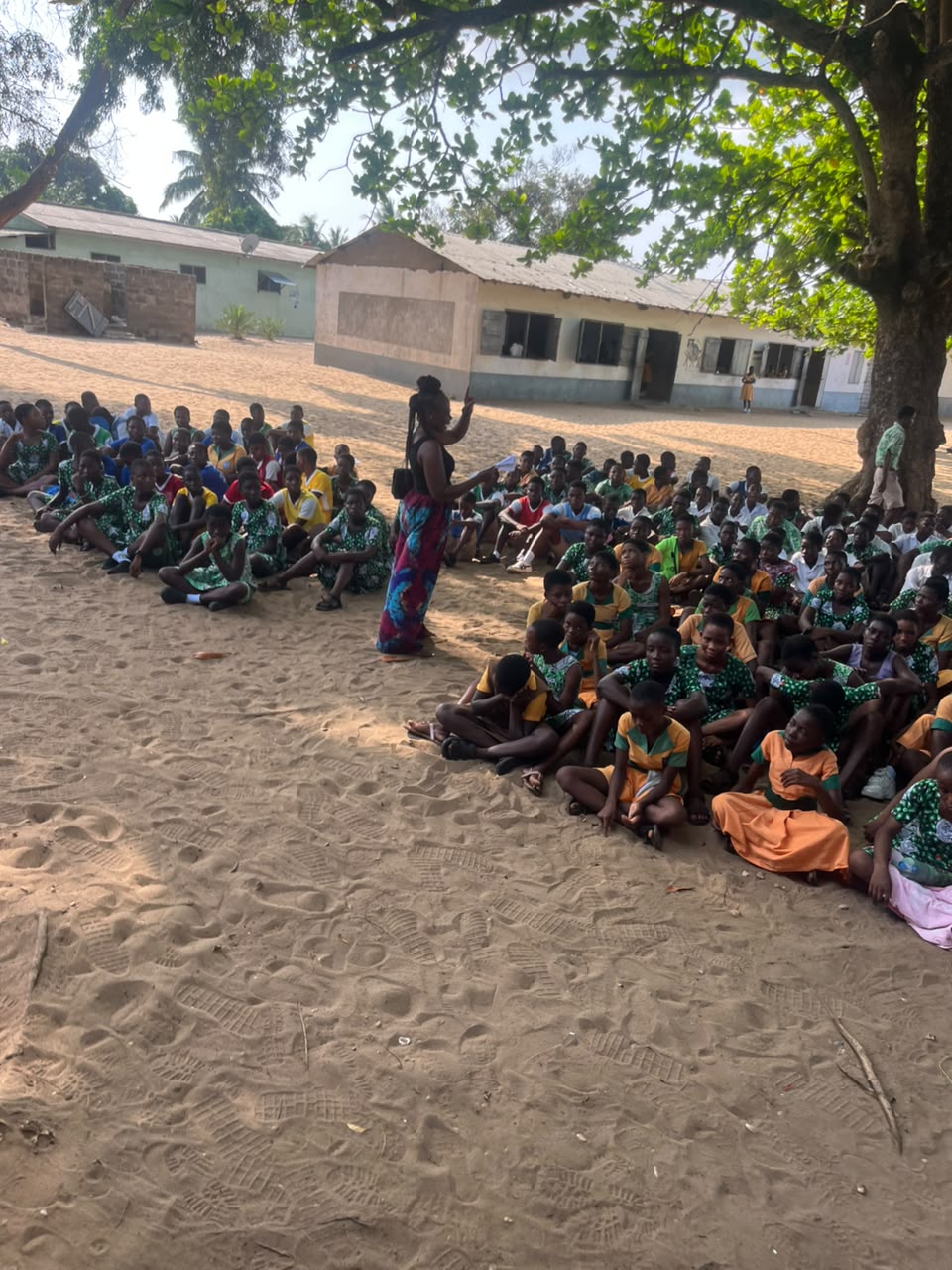
The National Commission for Civic Education (NCCE), Keta Municipal Office, has called on students of Bishop Herman RC School 1 & 2 to make informed choices, resist negative peer pressure and protect their future against the dangers of drug abuse.
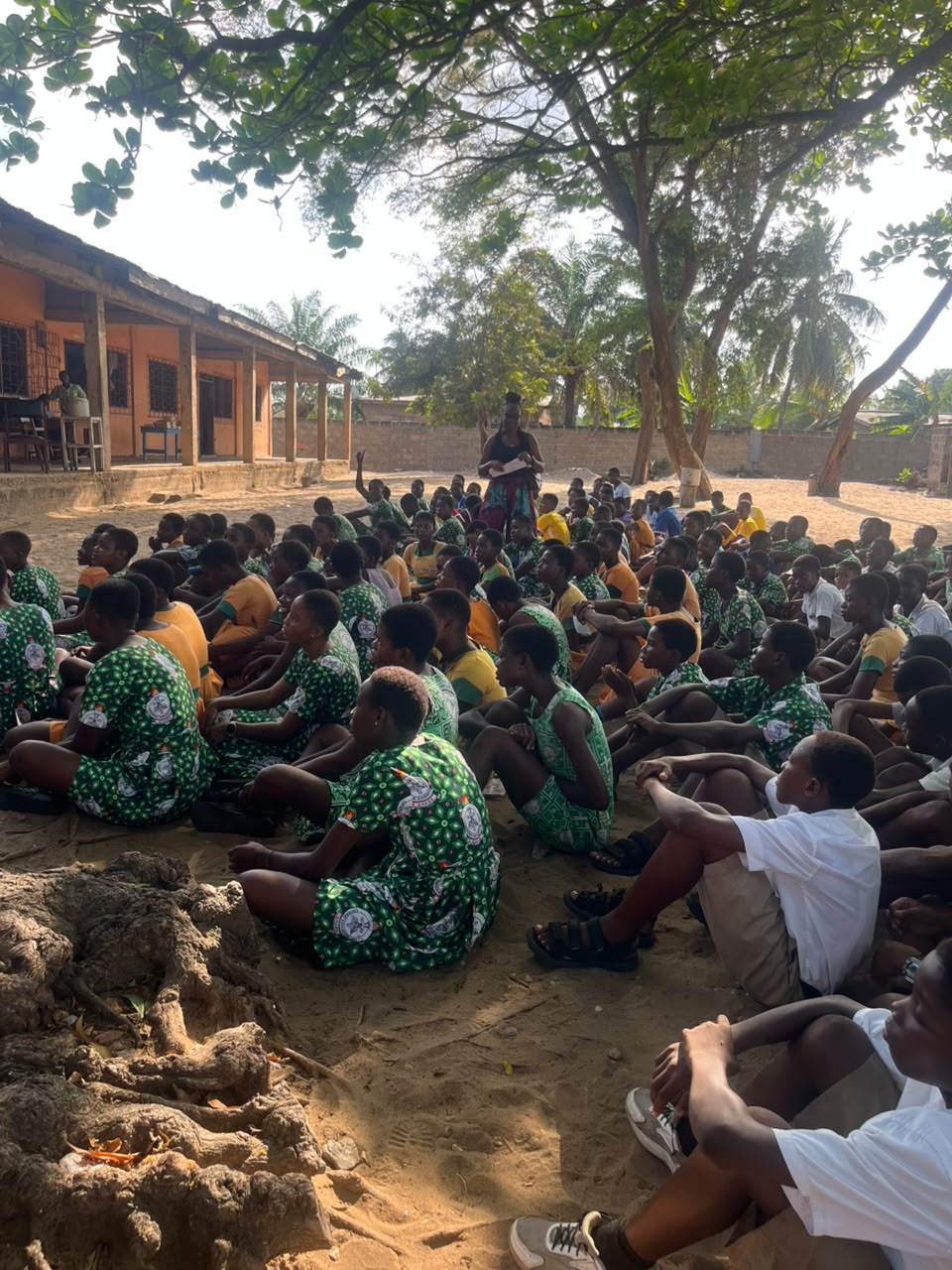
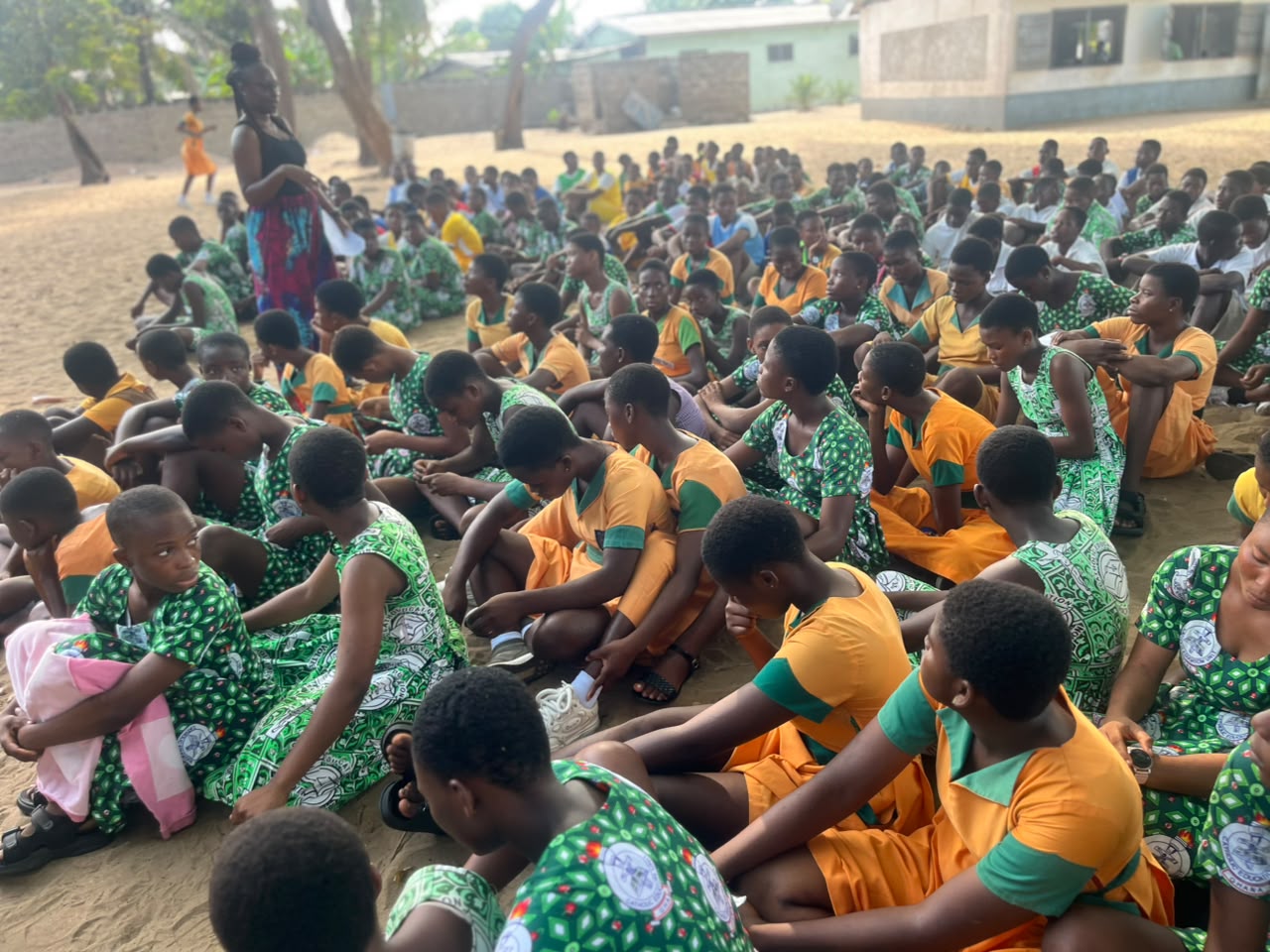
The call was made during an educational engagement with members of the school's Civic Education Club as part of the Commission's efforts to promote responsible citizenship and discourage harmful behaviours among young people.
The engagement focused on the growing concern of substance abuse among the youth, with particular attention to the factors that expose schoolchildren to drug-related risks. Students were encouraged to understand that curiosity, the desire to belong to a particular social group, negative friendships and pressure from peers could influence them to experiment with harmful substances.
Using practical examples, Ms. Nora Amevor challenged students to consider how they would respond when friends encouraged them to take substances such as marijuana, tramadol, alcohol and other drugs for recreational purposes. They were reminded that refusing such invitations was not a sign of weakness but evidence of courage, self-respect and sound judgement.
The education further highlighted the consequences of substance misuse, including addiction, impaired judgement, mental and physical health complications, poor academic performance and school dropout. The facilitator explained that drug abuse could also contribute to family conflicts, social instability, crime and reduced national productivity.
Students were particularly cautioned against the misconception that certain substances were harmless simply because they were commonly used or promoted among young people. They were advised that even medicines intended for legitimate medical purposes could become dangerous when taken without appropriate medical guidance or contrary to prescribed instructions.
The session also explored the role of students in supporting friends who might be experiencing substance-related challenges. Members were encouraged not to ridicule or discriminate against such individuals but to guide them towards seeking assistance from parents, teachers, school counsellors and qualified health professionals.
As members of the Civic Education Club, the students were reminded that their responsibilities extended beyond the classroom. They were encouraged to become positive role models by promoting healthy lifestyles, choosing responsible friendships, engaging in productive activities and educating their peers on the dangers of drug abuse.
The engagement concluded with an interactive question-and-answer session during which students demonstrated their understanding of the subject and made personal commitments to reject drug abuse and influence their colleagues positively.
The NCCE emphasised that safeguarding young people against substance abuse requires collective action from parents, schools, communities and relevant institutions. The Commission called on students to recognise that their health, education and future are valuable assets that must be protected.
The Commission reaffirmed its commitment to continuous civic education aimed at building responsible, informed and productive citizens who will contribute meaningfully to Ghana's development.
_
Follow us on our social media pages for more stories and posts from the NCCE.

https://www.instagram.com/nccegh/

https://www.facebook.com/nccegh/
https://www.youtube.com/channel/UCwajFJmmlmzRf1OMM.
Leave a comment