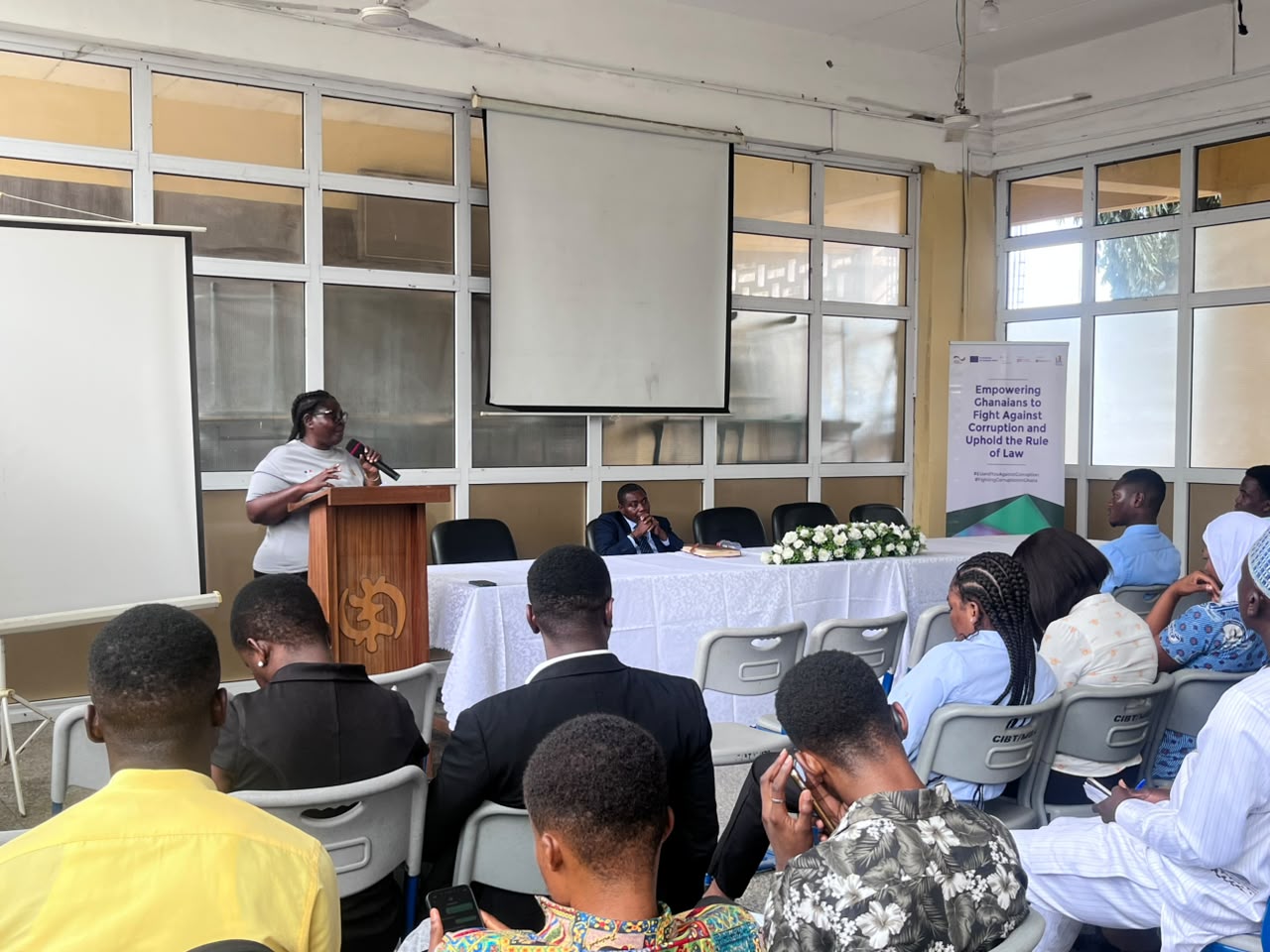
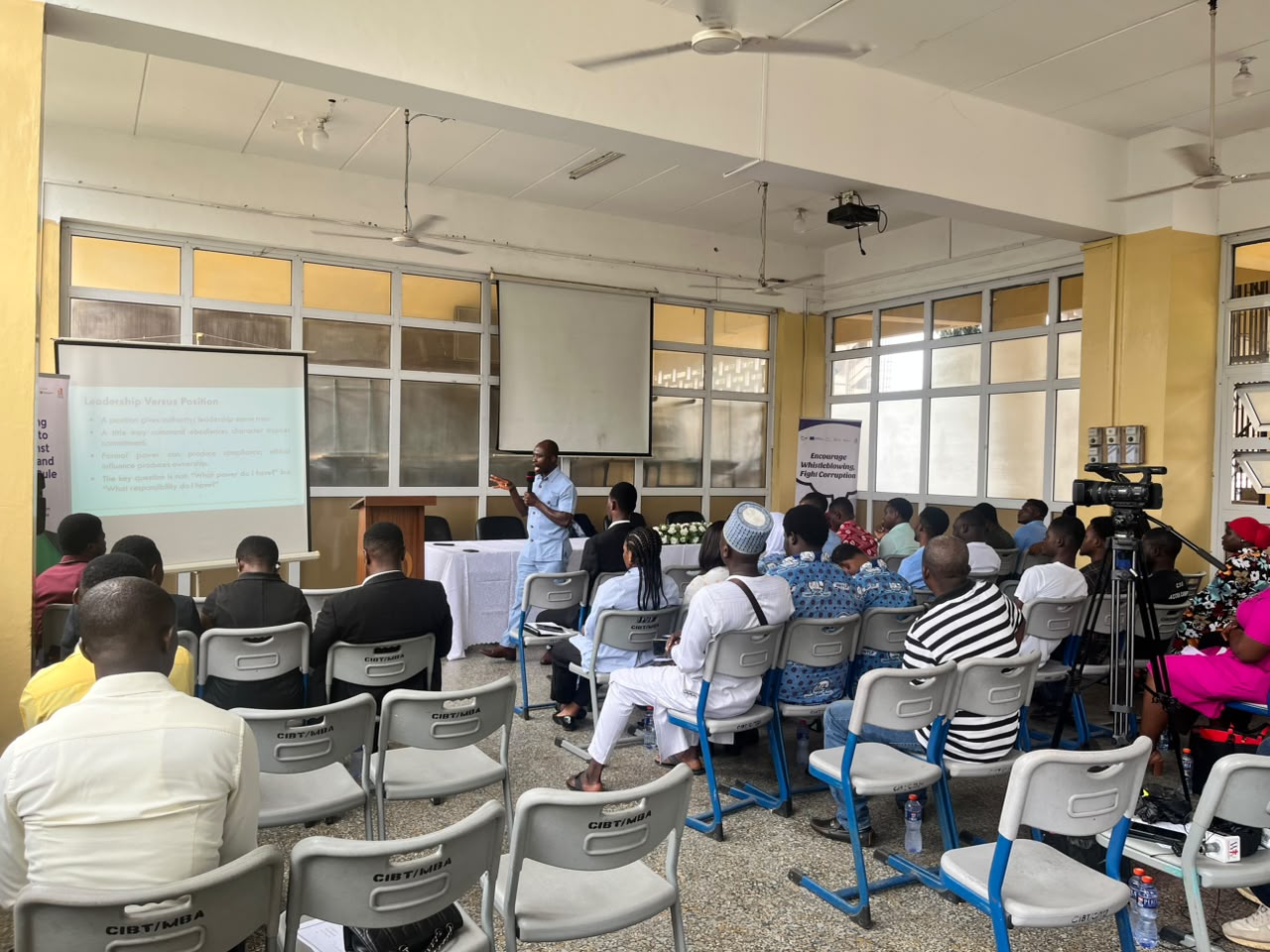
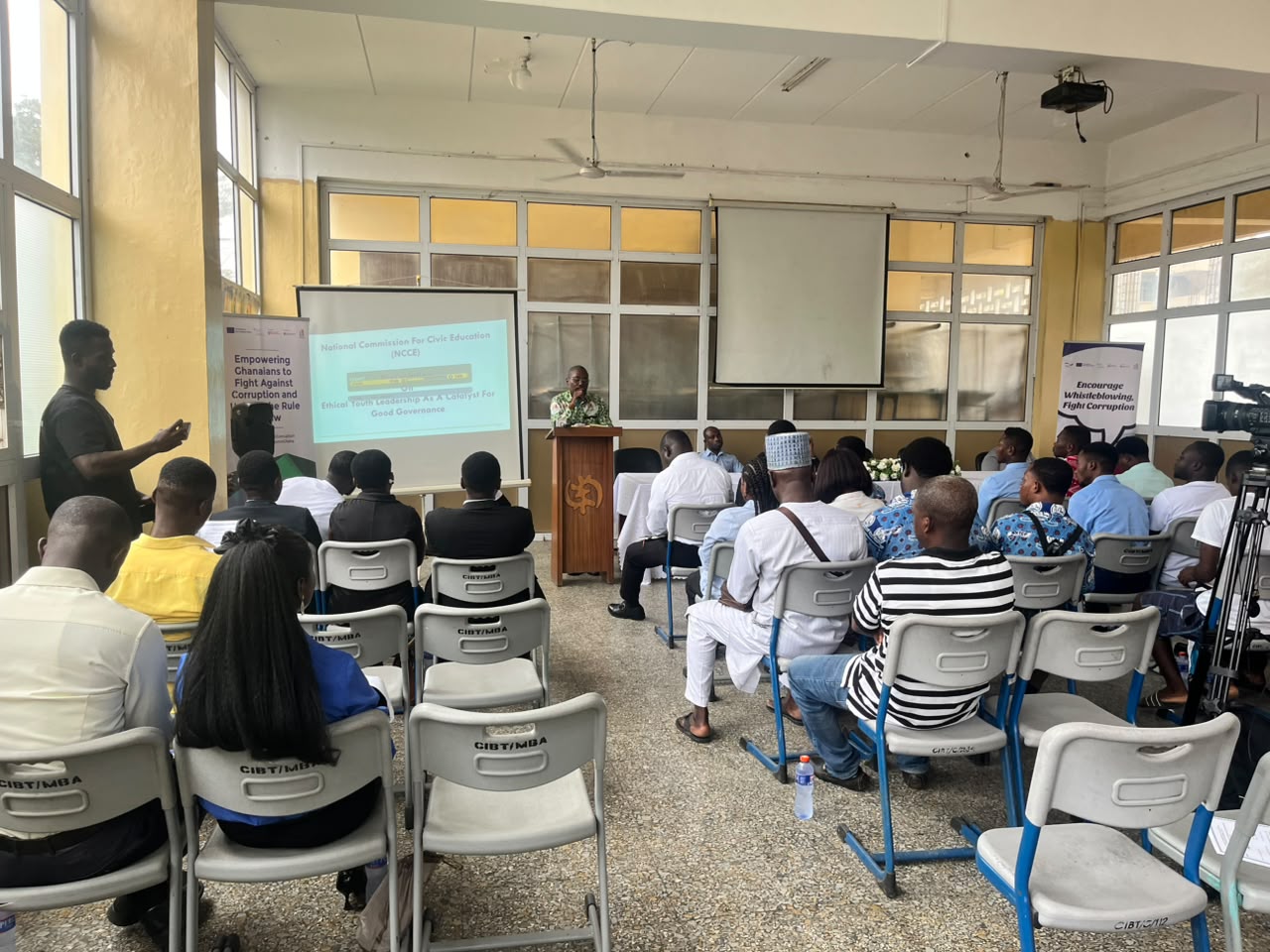
The Greater Accra Regional Office of the National Commission for Civic Education (NCCE) has organized a Youth Leaders’ Empowerment Dialogue Session to equip young leaders with the knowledge and skills needed to promote ethical leadership, accountability, and respect for the Rule of Law.
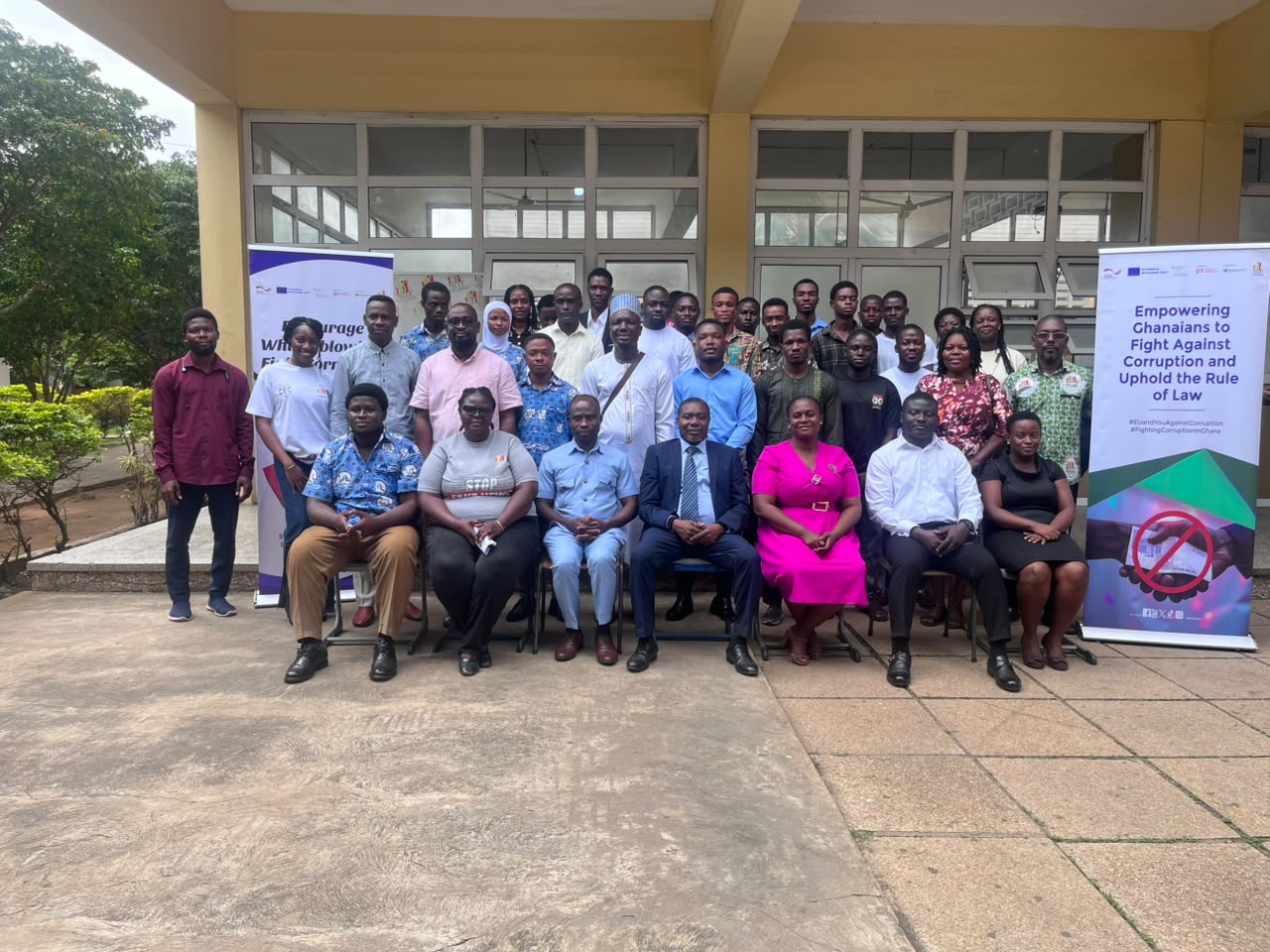
The engagement, at the Domod Hall of the Catholic University of Ghana, Adabraka, formed part of the implementation of the “Civic Engagements on the Rule of Law and the Fight Against Corruption” under the Participation, Accountability and Integrity for a Resilient Democracy (PAIReD) Program.
The session brought together youth leaders from selected tertiary institutions, including the University of Professional Studies, Accra (UPSA), Accra Technical University, Wisconsin International University College, and Islamic University College, among others.
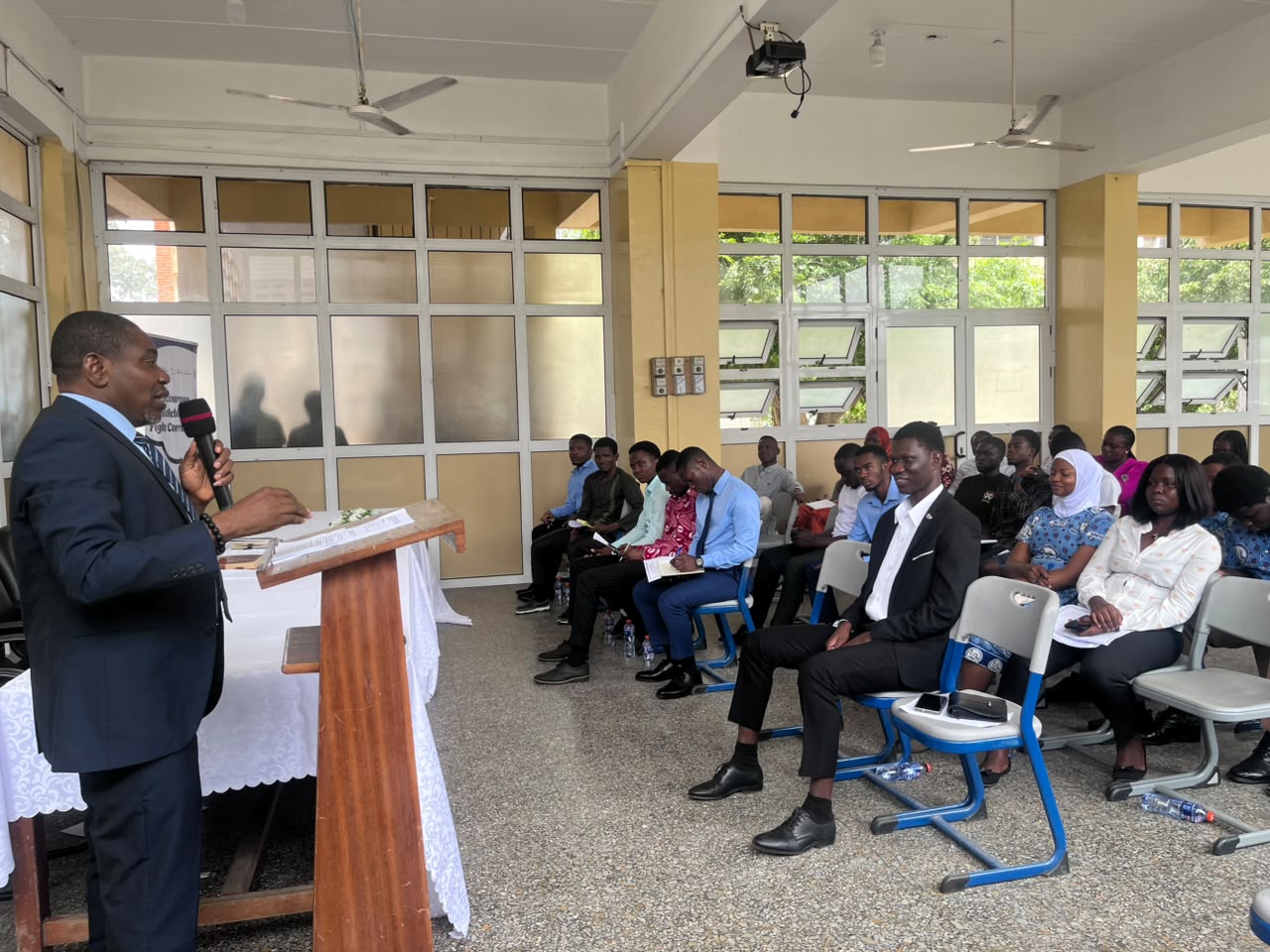
The dialogue was facilitated by the Greater Accra Regional Director of the National Service Authority, Mr. Robert Adjei, and the La Nkwantanang Municipal Director of the Commission on Human Rights and Administrative Justice (CHRAJ).
The facilitators highlighted ethical leadership as a catalyst for good governance, emphasizing the importance of integrity, transparency, accountability, and responsible decision-making in preventing corruption and strengthening public confidence in institutions.
Participants were also taken through the issue of conflict of interest in public and institutional decision-making. They were educated on how personal, financial, professional, or other interests could improperly influence objective judgment.
The facilitators explained various forms and causes of conflict of interest and used practical examples and real-life cases to help participants understand how such situations could arise and the measures that could be taken to prevent and manage them.
Another key area of discussion was influence peddling and abuse of office. Participants were taken through how individuals could misuse positions of authority or personal connections for private benefit, as well as the negative consequences of such practices on public trust, institutional credibility, and good governance.
The session further focused on the Rule of Law and ethical leadership standards, with participants encouraged to uphold legal and ethical principles in their academic, professional, and civic lives.
The youth leaders were also reminded of their potential as opinion leaders and peer influencers who could promote integrity, accountability, and responsible conduct among their colleagues and within their communities.
The engagement was highly interactive, with participants actively asking questions, sharing experiences, and raising concerns about corruption, accountability, ethical leadership, and institutional decision-making.
The Youth Leaders’ Empowerment Dialogue forms part of the NCCE’s broader efforts to empower young people to become active champions of transparency, integrity, accountability, ethical leadership, and democratic governance, while contributing to the fight against corruption and promoting a strong culture of respect for the Rule of Law in Ghana.
_
Follow us on our social media pages for more stories and posts from the NCCE.

https://www.instagram.com/nccegh/

https://www.facebook.com/nccegh/
https://www.youtube.com/channel/UCwajFJmmlmzRf1OMM.
Leave a comment