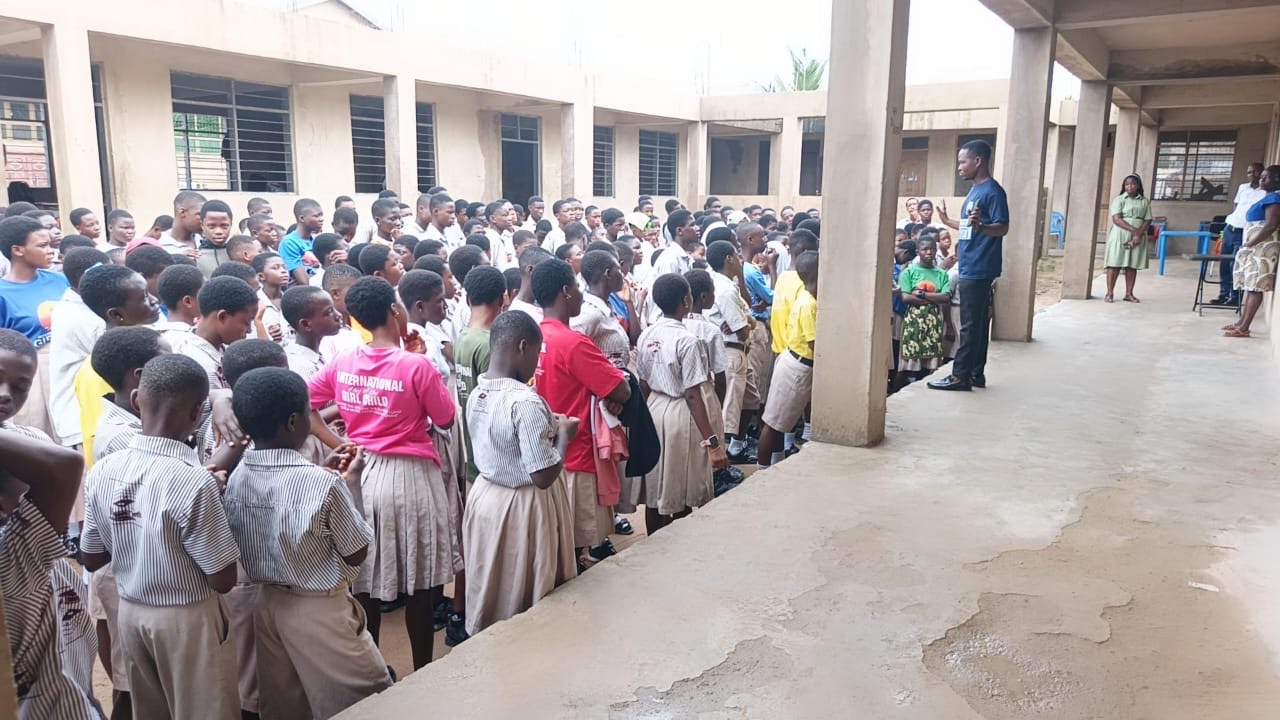
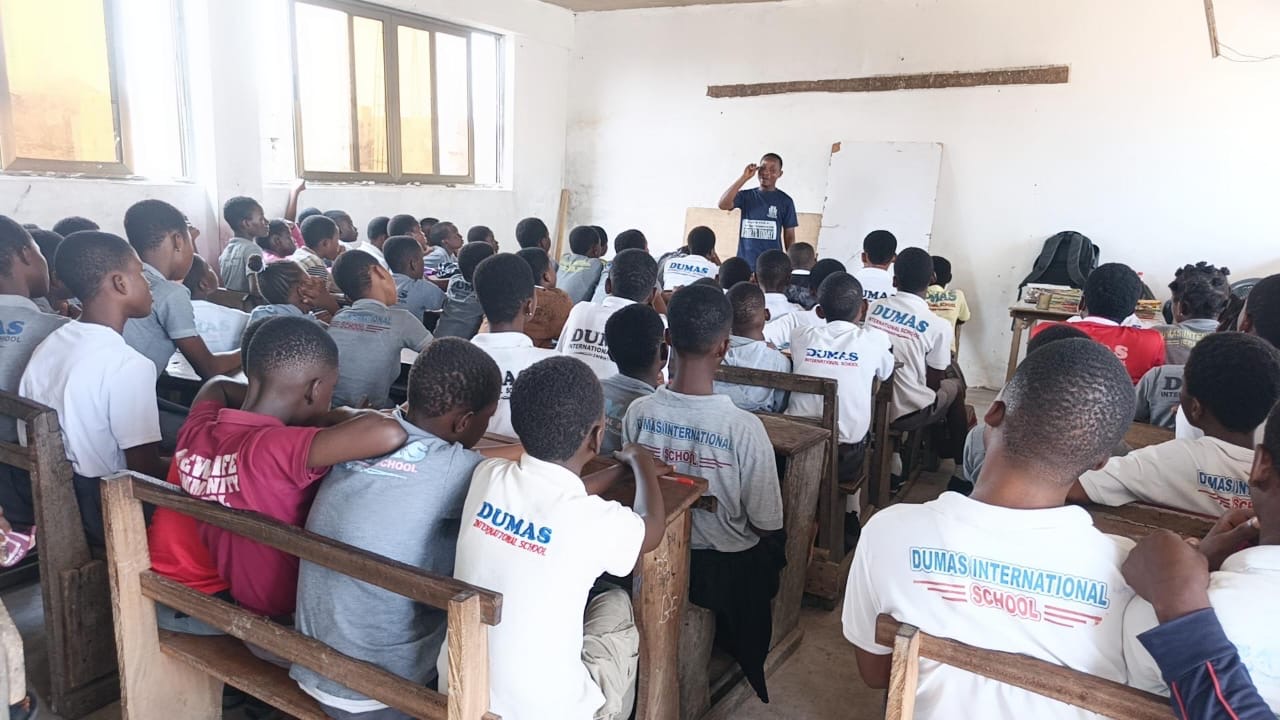
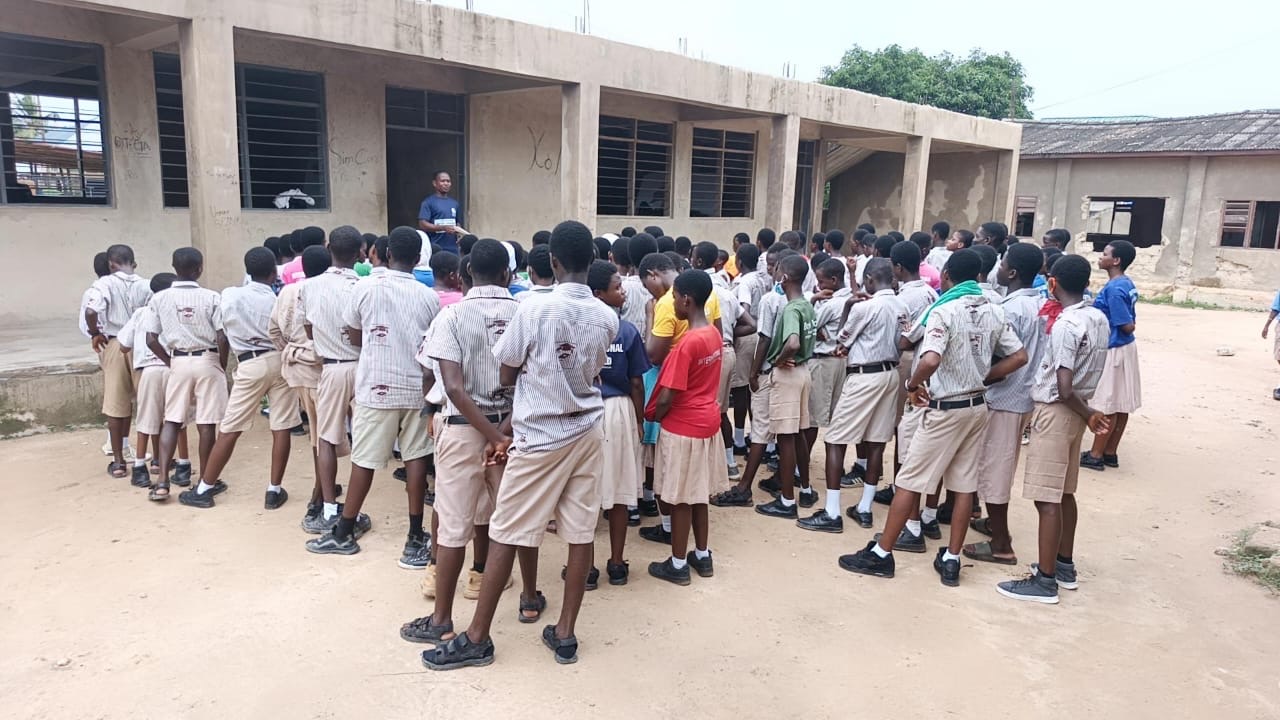
As part of activities marking the 2026 Citizenship Week Celebration, the Ga South Municipal Office of the National Commission for Civic Education (NCCE) engaged pupils of Galilea M/A 1 and 2 Junior High School and Dumas International School on responsible digital citizenship and the importance of upholding constitutional values in the digital age.
The educational programme was held on Wednesday, 10th June 2026, under the national theme, “Upholding Our Constitution in the Digital Age: Our Collective Responsibility.” The engagement formed part of the Commission’s efforts to equip young people with the knowledge and skills required to use digital technologies responsibly while contributing positively to society.
Addressing the pupils, the resource persons, Mr. Dan Abonyi Yamoah and Ms. Rita Dzifa Aklinu, emphasized the growing influence of the internet and social media in the lives of young people and the need to use these platforms responsibly. They explained that while digital technologies provide opportunities for learning, communication, and innovation, they also come with risks that require vigilance and responsible behaviour.
The facilitators educated the learners on the importance of upholding constitutional values such as respect, responsibility, tolerance, and accountability in their online interactions. They noted that citizenship responsibilities extend beyond the physical environment and must also be demonstrated in digital spaces.
Particular attention was given to the dangers of internet fraud, misinformation, and disinformation. The pupils were advised to critically assess information encountered online and to verify facts from credible sources before sharing content with others. According to the facilitators, the spread of false information can damage reputations, create confusion, and undermine social cohesion.
The resource persons further highlighted the importance of cybersecurity and personal online safety. Pupils were encouraged to protect their personal information, create strong passwords, avoid sharing sensitive details online, and exercise caution when interacting with unknown persons on digital platforms. They were also advised to stay away from suspicious online activities that could expose them to cybercrime or other forms of exploitation.
Transitioning to responsible social media use, the facilitators cautioned learners against posting nude photographs, provocative videos, or other inappropriate content online. They explained that such actions could expose individuals to cyberbullying, blackmail, online harassment, and long-term reputational damage.
The pupils were reminded that everything shared online contributes to a digital footprint that can have lasting consequences. They were therefore encouraged to think carefully before posting, commenting, or sharing information on social media platforms.
The interactive session provided an opportunity for learners to ask questions and share their experiences regarding internet use and online safety. Through the discussions, pupils gained a deeper understanding of the benefits and risks associated with digital technology and the need to exercise responsibility in their online activities.
The programme concluded with a call on the pupils to become responsible digital citizens by promoting truth, respect, safety, and positive engagement online. They were encouraged to use digital platforms to support learning, personal growth, and national development while helping to create a safe and respectful online environment for all.
The engagement successfully reinforced the objectives of Citizenship Week by empowering young people to uphold constitutional values and demonstrate responsible behaviour both offline and online.
_
Follow us on our social media pages for more stories and posts from the NCCE.

https://www.instagram.com/nccegh/

https://www.facebook.com/nccegh/
Leave a comment