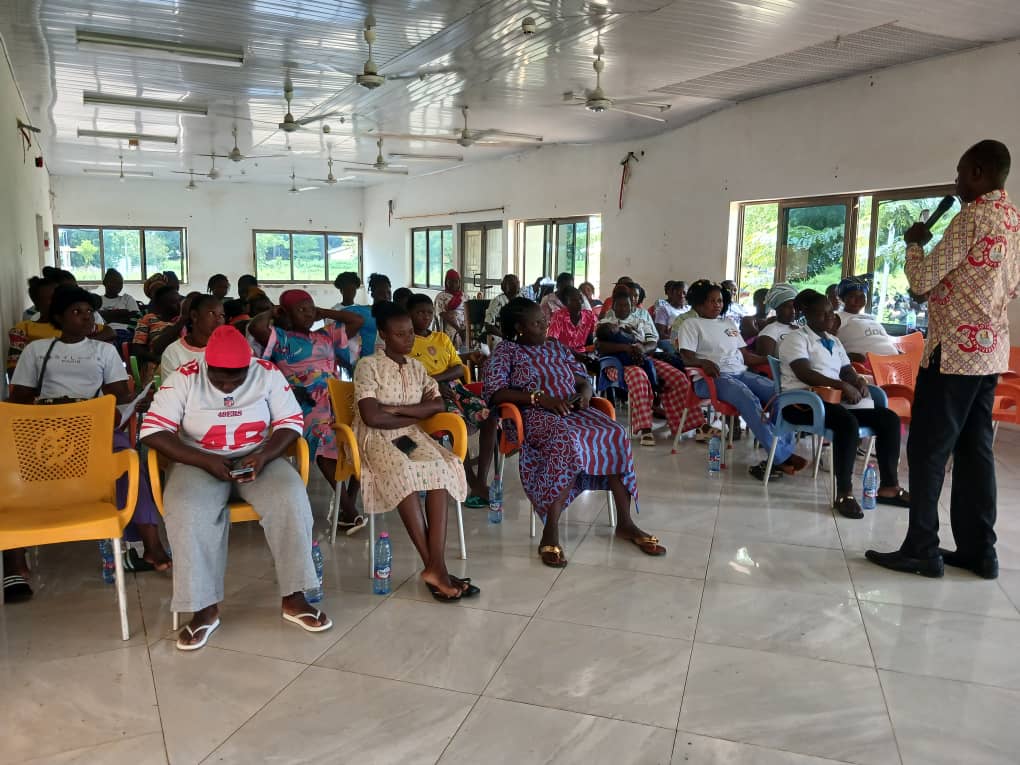
The fight against corruption begins with the everyday decisions citizens make, from demanding receipts for payments to refusing improper favours and reporting misconduct. This message resonated at a follow-up engagement organised by the Nabdam District Office of the National Commission for Civic Education (NCCE), where 50 women were encouraged to turn their knowledge of the rule of law into practical action.
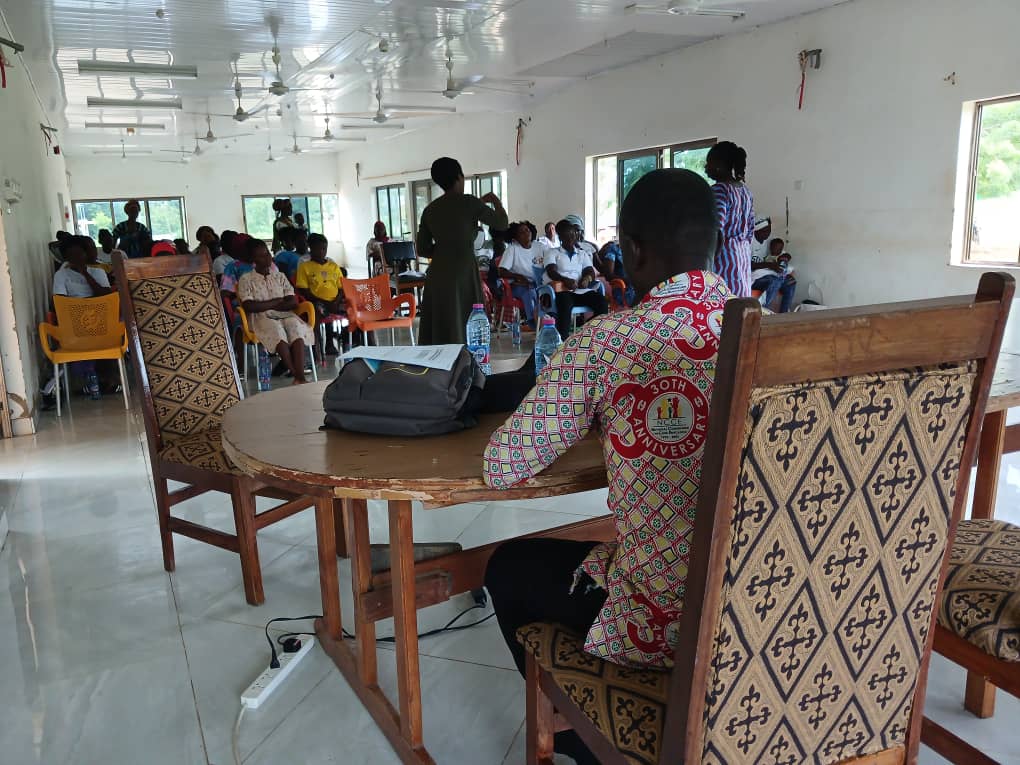
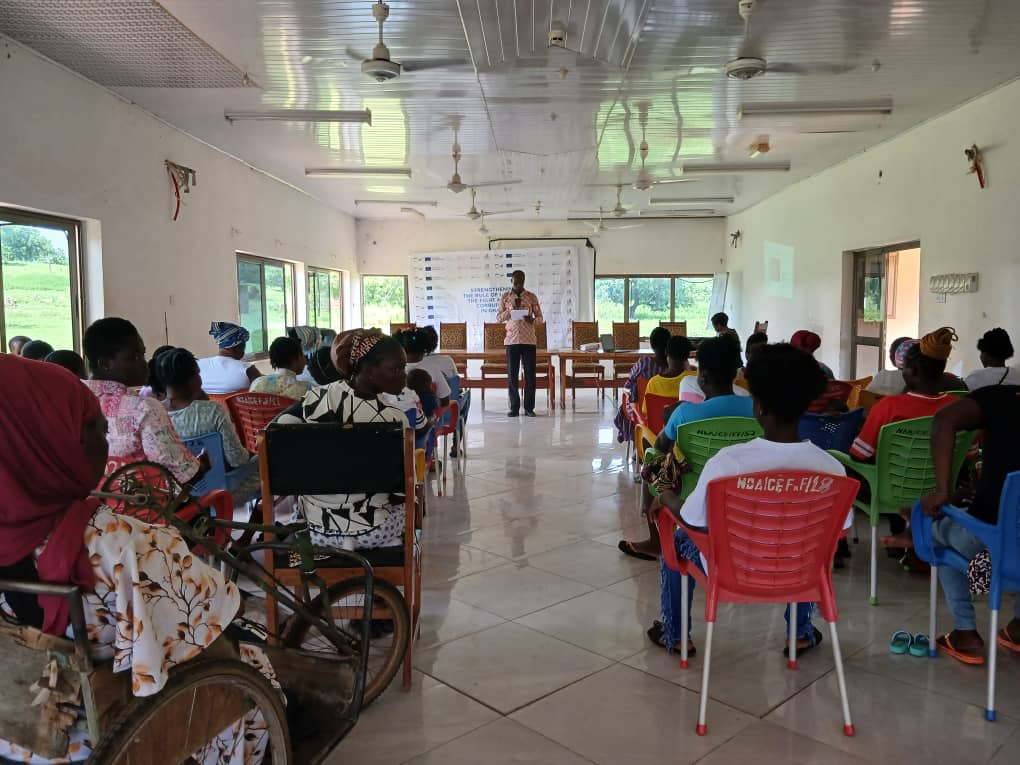
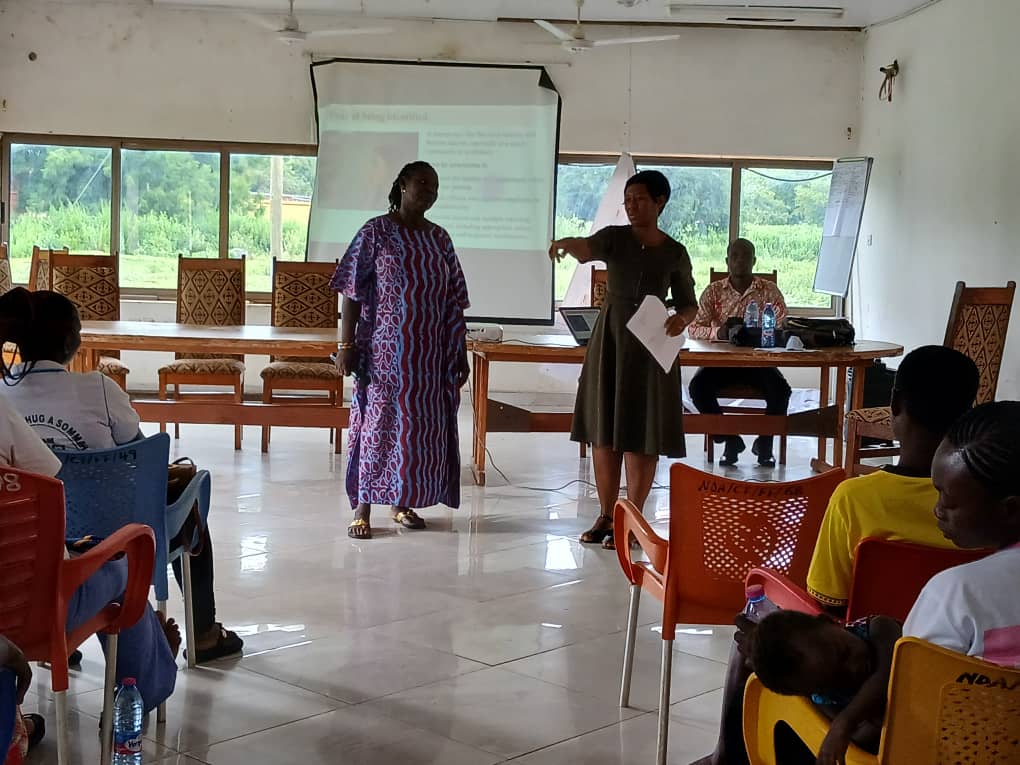
Held at the Nabdam District Assembly Conference Hall in Nangodi, the programme brought together persons with disabilities, hairdressers, seamstresses, traders and weavers. The engagement sought to reinforce lessons from an earlier forum, address obstacles to reporting wrongdoing and strengthen women's role in promoting accountability within their communities.
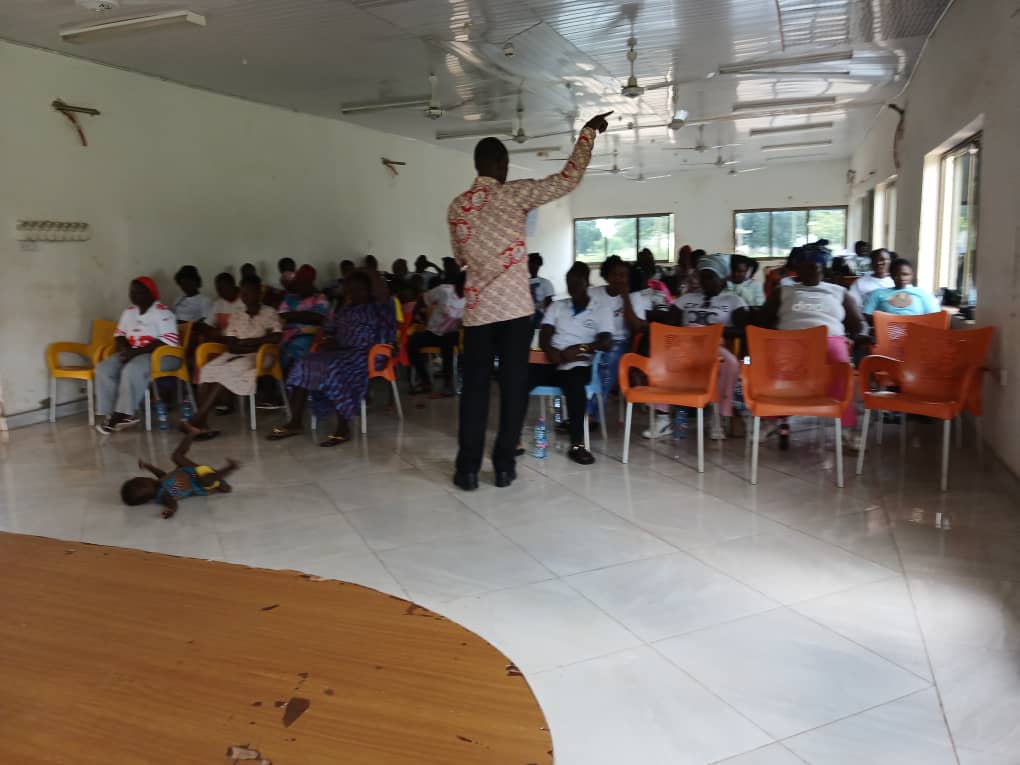
Welcoming participants, the NCCE District Director, Mr. Elbazar Joachim, described women as influential voices in shaping public attitudes and advancing community development. He expressed concern that bribery and dishonesty had become normalised in some settings, citing tax evasion, the use of substandard materials for contracts and improper payments for school placements as examples of practices citizens must challenge. He cautioned that such practices undermine public trust and deprive communities of resources needed for development.
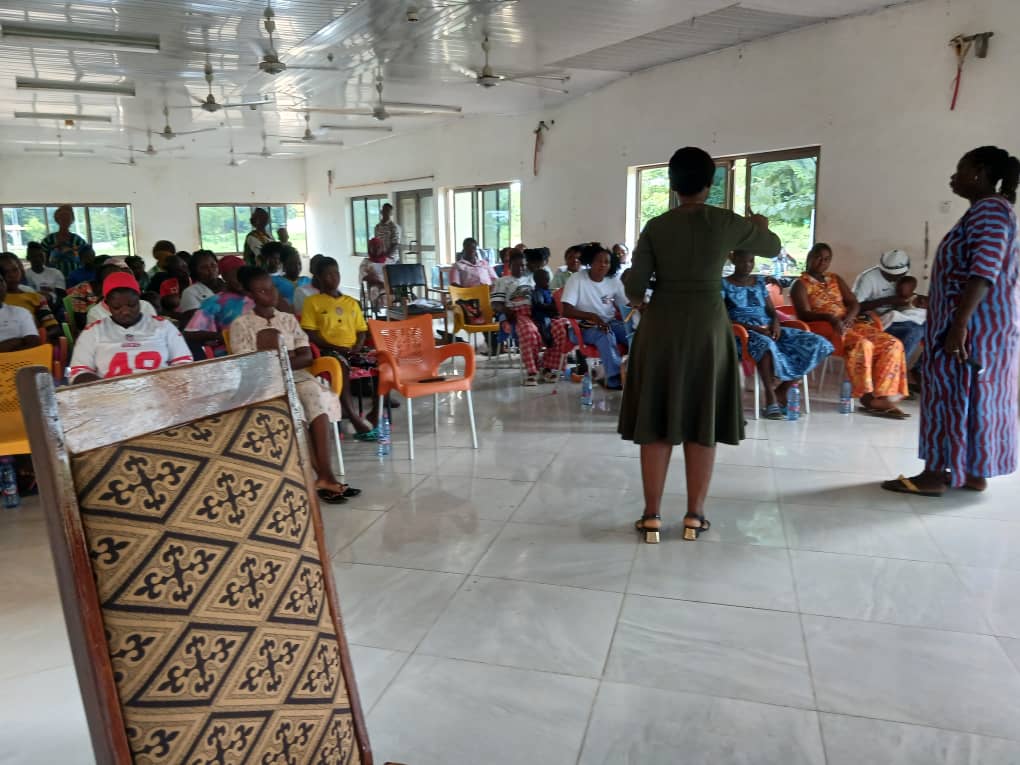
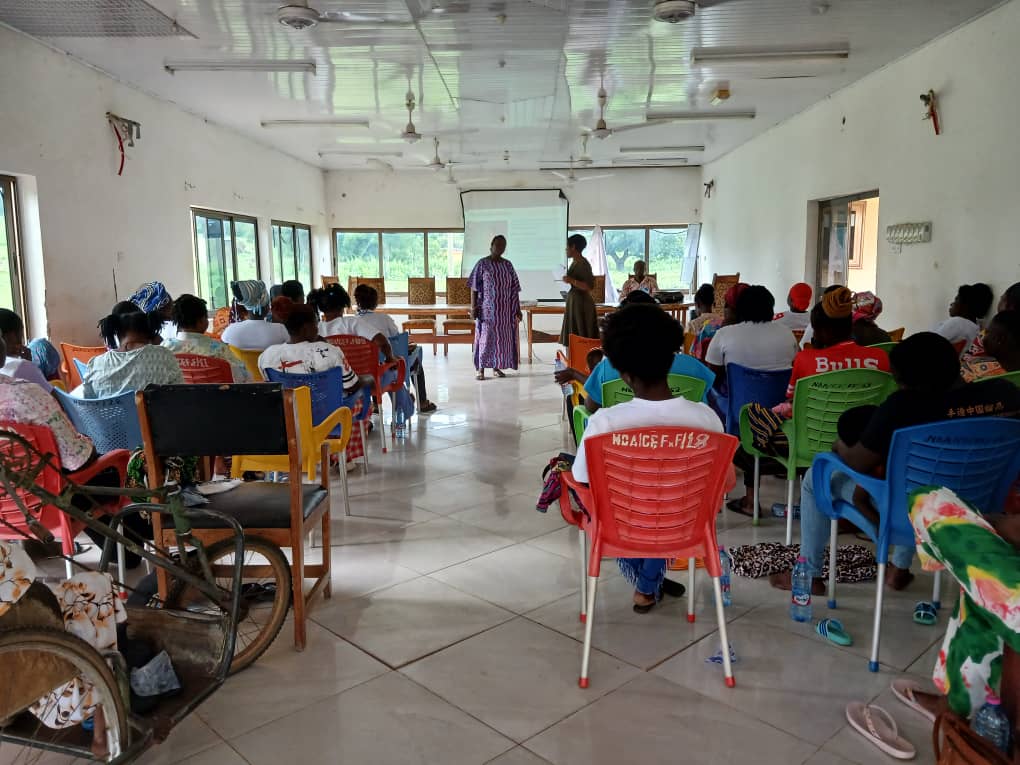
Ms. Patricua Ayichuru, Director of the Commission on Human Rights and Administrative Justice (CHRAJ), educated participants on the Whistleblower Act and available mechanisms for reporting suspected corruption. She encouraged the women to remain vigilant, honest, and law-abiding, stressing the importance of providing credible information to appropriate authorities rather than allowing fear or social pressure to prevent them from acting.
The discussion became particularly practical when a trader, Madam Agnes Atia, recounted an experience in which she paid for a service but was denied a receipt. Despite demanding one, her request was unsuccessful, prompting her to report the matter to a superior officer, who subsequently questioned the official involved. Her experience illustrated how citizens could challenge questionable practices through established reporting channels.
Conducted in Nabt, the local language, the forum encouraged active participation and open discussions. Participants were divided into three groups to examine the effects of corruption in Nabdam, the responsibilities of citizens in combating it, and the relevance of the rule of law to everyday life. Each group presented its views, creating an opportunity for participants to share experiences and propose practical responses to corruption within their communities.
At the close of the engagement, the women pledged to reject bribery, report suspected corrupt practices, and extend the education to their colleagues and communities. They acknowledged their influence as mothers, workers and community members in promoting integrity, peaceful coexistence and respect for the law.
The follow-up engagement reinforced the NCCE's commitment to transforming civic awareness into sustained citizen action, while encouraging women in Nabdam District to become advocates for transparency, accountability and responsible citizenship.
_
Follow us on our social media pages for more stories and posts from the NCCE.

https://www.instagram.com/nccegh/

https://www.facebook.com/nccegh/
https://www.youtube.com/channel/UCwajFJmmlmzRf1OMM.
Leave a comment